
In shunning reporters, Bengals running back Joe Mixon forfeits his voice
Cincinnati Bengals running back Joe Mixon is exiting a very eventful offseason, but he doesn't plan on talking about it with most media members inside the building. After returning to practice following his week-long trial for aggravated menacing, a trial that found Mixon not guilty of the misdemeanor charge, Mixon announced he will not talk […]


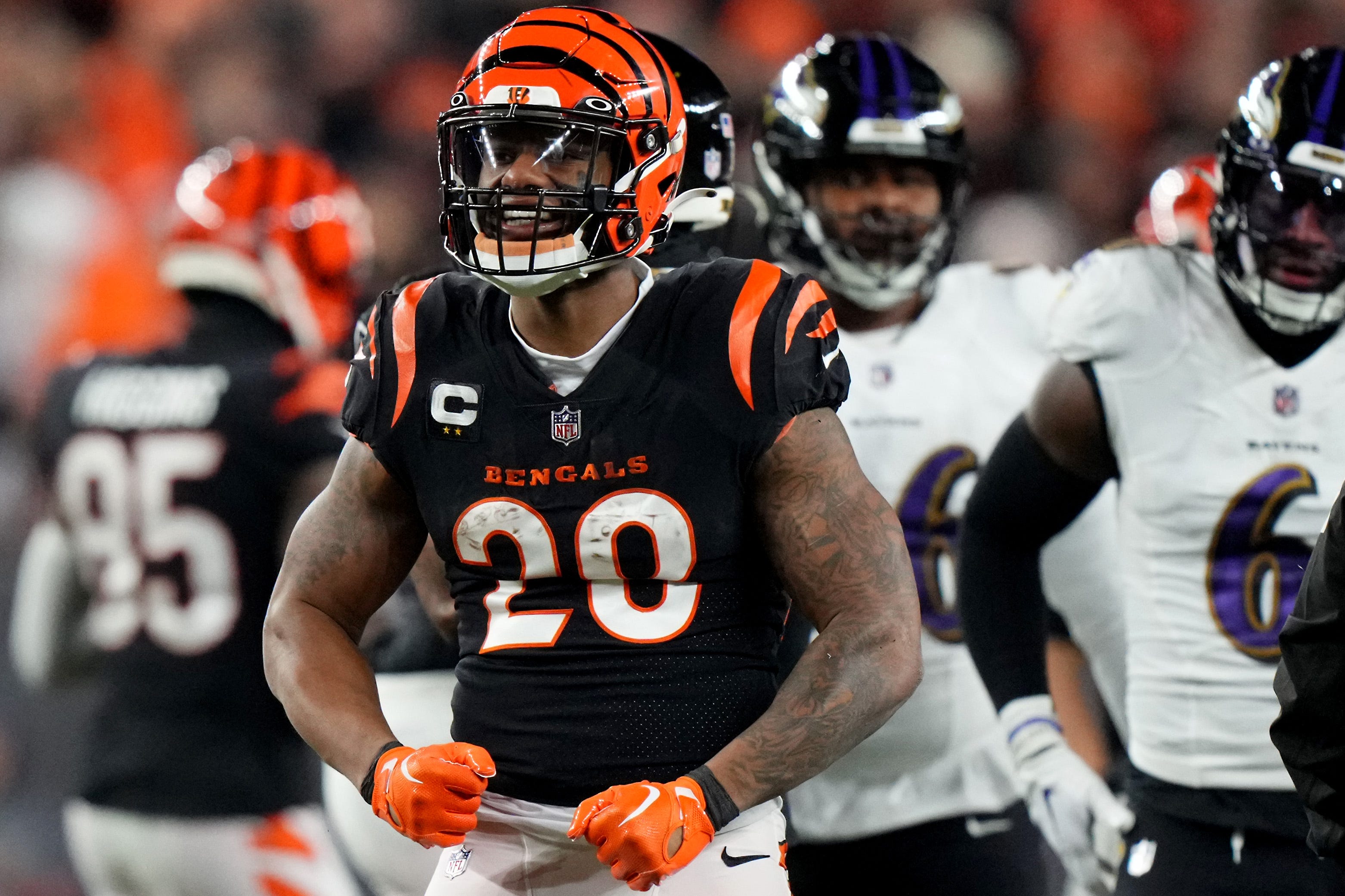
Cincinnati Bengals running back Joe Mixon is exiting a very eventful offseason, but he doesn't plan on talking about it with most media members inside the building.
After returning to practice following his week-long trial for aggravated menacing, a trial that found Mixon not guilty of the misdemeanor charge, Mixon announced he will not talk to certain media outlets going forward. According to ESPN.com's Ben Baby, Mixon will not be taking questions from specific reporters of The Cincinnati Enquirer, ESPN, Pro Football Network, and Sports Illustrated.
"It's not happening," Mixon said.
The reasoning behind Mixon's discontent stems from how he feels about the media coverage surrounding him this year. Mixon's aggravated menacing charge came from an incident in which police said he pointed a gun at a woman and said he should shoot her. Just a week later, the Bengals' postseason run ended with a game that saw Mixon playing just 35% of the offense's snaps, and rushing for just 19 yards on eight carries.
Questions about Mixon's future with the team began circulating even without the news of his charge dropping just a few days after the playoff loss. The questions only circulated faster once that news became public.
A month later, Mixon's house was the center of a shooting in which a minor was injured. Mixon was later found to not be involved in the incident, but is currently being sued by the parents of the injured minor.
All of this on top of performance-to-cost discourse had Mixon's name in the media for reasons that are objectively not positive for a former Pro Bowl player. One could assume that weighs heavily on someone in their mid-20s.
The problem is, we can now only assume. Because Mixon will not speak.
Let it be known from me that however a player wants to conduct himself in terms of media availability is entirely up to him. Take Geno Atkins for example. Atkins wasn't just a two-time All-Pro defensive tackle who built a should-be Hall of Fame career in Cincinnati, there was never a bad word spoken about him by anyone during his time with the Bengals.
He also went out of his way to avoid talking to the media. For reasons we still aren't too sure about other than the safe assumption that he simply chose to do that.
We know why Mixon is opting to shun reporters. He feels disrespected by how he was covered by them. And you know what? That's absolutely, 100%, his prerogative to feel that way.
But by not speaking, Mixon isn't denying those reporters and outlets content. He's actually creating it inadvertently.
Just look at the immediate reaction to the news. Baby reported on Twitter (X, whatever) about what happened with Mixon. Peter Schaffer, Mixon's agent, took it upon himself to respond publicly:
"You know exactly why we don’t talk to you," Schaffer said to Baby. "You consistently look for the negative and always are putting the players down. We have given you ample chances to correct the situation and you refuse. You made your bed now sleep in it. Don’t tweet to people that you don’t know why."
And then Baby posted this:
Instead of talking to reporters and answering questions that likely had to do with the trial, returning to the team, or anything else that's relevant to what's going on with the 27-year old running back, Mixon opened the door for discourse that's out of his control. And it has already instilled, at the very least, a polarizing reaction.
Which is kinda the whole point here. Content can be found by any measure, and the only way you can get a direct point across is by actually saying it. Words are very hard to twist when you leave no room for interpretation.
It has always been my belief that the greatest value a beat writer with boots on the ground can provide is a voice to the players. Through good times and bad, narratives can spin out of control and reach the eyes of the public in an instant. Some players claim they don't care, but Mixon clearly does.
Whether he personally likes the reporters who cover the team or not, Mixon can use them as a vehicle to share his story, to say whatever he wants to say and set any record straight that he desires. It is in their job description to transcribe it and relay it to the masses, and they'd be in hot water if they did so incorrectly.
If a player like Mixon choses not to speak, all the more power to him. He clearly has his reasons. But the machine will continue to churn content, and by forfeiting that specific power, the narratives are once more out of his hands.
Bengals owner, GM show gratitude for starting player’s sacrifice
“He’s a motivated player who wants to win.”
Featured image via © Kareem Elgazzar/The Enquirer / USA TODAY NETWORK


