
Tennessee could be the one to finally gut the NCAA in latest court filing
University of Tennessee chancellor Donde Plowman was lauded by fans of Tennessee – as well as those who loathe the NCAA from around the country – for her spirited letter to NCAA president Charlie Baker that made its rounds on Tuesday. As it turns out, that was the small tip of a very big iceberg […]

University of Tennessee chancellor Donde Plowman was lauded by fans of Tennessee – as well as those who loathe the NCAA from around the country – for her spirited letter to NCAA president Charlie Baker that made its rounds on Tuesday.
As it turns out, that was the small tip of a very big iceberg waiting just under the surface.
Tennessee and Virginia file suit
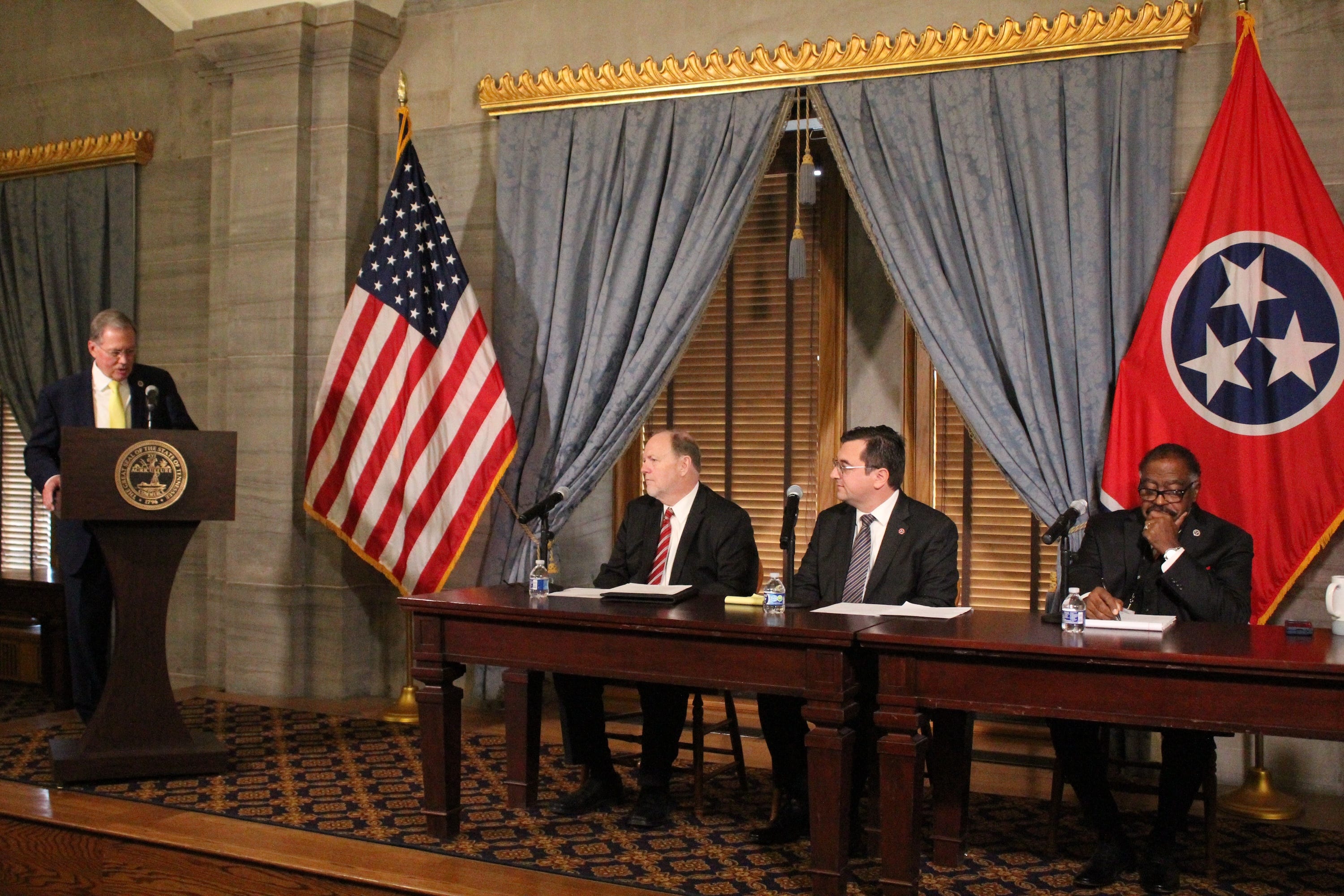
Tennessee attorney general Jonathan Skrmetti filed a complaint against the NCAA on behalf of the state of Tennessee in the United States District Court for the Eastern District of Tennessee on Wednesday morning. The commonwealth of Virginia also joined in the filing as a co-Plaintiff.
The 20-page complaint takes aim at the one thing that could be the most damning for the NCAA: enforcement of NIL-related restrictions on inducements to attend schools through recruiting and transfers.
Taking a Supreme Court case to a new level
The complaint contains numerous references to the NCAA vs. Alston decision by the United States Supreme Court from 2021. That case dealt with a challenge by student athletes to the NCAA for violations of United States antitrust law – the Sherman Act – for restrictions on student-athlete benefits and compensation. The Supreme Court upheld the lower court's ruling in that the NCAA's regulations limiting education-related benefits were violations of the Sherman Act. The ruling did not address non-education related compensation.
However, Justice Brett Kavanaugh issued a concurring opinion in which he argued the NCAA should not be treated any differently than any other organization for ANY compensation purposes:
Everyone agrees that the NCAA can require student athletes to be enrolled students in good standing. But the NCAA’s business model of using unpaid student athletes to generate billions of dollars in revenue for the colleges raises serious questions under the antitrust laws. In particular, it is highly questionable whether the NCAA and its member colleges can justify not paying student athletes a fair share of the revenues on the circular theory that the defining characteristic of college sports is that the colleges do not pay student athletes. And if that asserted justification is unavailing, it is not clear how the NCAA can legally defend its remaining compensation rules.…
Nowhere else in America can businesses get away with agreeing not to pay their workers a fair market rate on the theory that their product is defined by not paying their workers a fair market rate. And under ordinary principles of antitrust law, it is not evident why college sports should be any different. The NCAA is not above the law. – Justice Brett Kavanaugh
That argument is what Tennessee and Virginia are hanging their hats on in their pleading, citing the Alston case and quoting Kavanaugh's concurring opinion multiple times. And it could be what hangs the NCAA out to dry in a major way.
What does the complaint say?
The gist of the complaint is that the NCAA's NIL rules violate the Sherman Act as well as Tennessee and Virginia state laws by unlawfully limiting the college athlete's and prospective college athlete's rights to fully realize their complete NIL potentials. It alleges the NCAA's NIL rules hinder the ability of prospective and current athletes to being able to make informed decisions regarding their best interests, as well as impair the market for college athlete labor.
The complaint makes reference to the pending investigation against the University of Tennessee and Chancellor Plowman's response. It also uses the NCAA's investigations for alleged NIL violations against Florida State University and the University of Florida as examples of what it considers to be unfair and illegal practices.
The complaint requests the Court enter an order finding the NCAA's NIL guidelines violate the Sherman Act. It also asks the Court to enter temporary and permanent injunctions to prevent the NCAA from enforcing its NIL-related bans.
What does this mean for the NCAA?
In short, the NCAA is facing a serious situation with the Tennessee/Virginia lawsuit. It was one thing for them to lose prior cases, but what Tennessee and Virginia are asking for here is basically complete autonomy for athletes to be able to seek out and get what they're worth without the NCAA being able to stop them.
In other words, it's seeking to completely strip the NCAA of being able to restrict the pay for play ideal or otherwise keep money out of from recruiting decisions. That would all but chop out both legs of the NCAA from being able to enforce something that's been its primary focus for decades.
The NCAA could have handled this with its member institutions in a more collaborative and collegial way. Now, it's in for a fight that might leave it mortally wounded.
The full complaint can be read HERE.
Craig Smith is a former litigator who practiced as a member of the Bar of the Eastern District of Tennessee while in Tennessee, but no longer practices law. The foregoing article is his personal opinion in the aforementioned matter only and should not be relied upon as legal advice by any individual or entity.
