
Jim Tressel lets Ohio State fans his decision whether or not to run for Ohio governor position in 2026
Ohio Lieutenant Governor Jim Tressel, the former Ohio State football coach turned public servant, announced Friday that he will not pursue the governorship in 2026. The decision removes a potential heavyweight contender from the Republican field, paving the way for biotech entrepreneur Vivek Ramaswamy, who has already secured endorsements from both President Donald Trump and […]


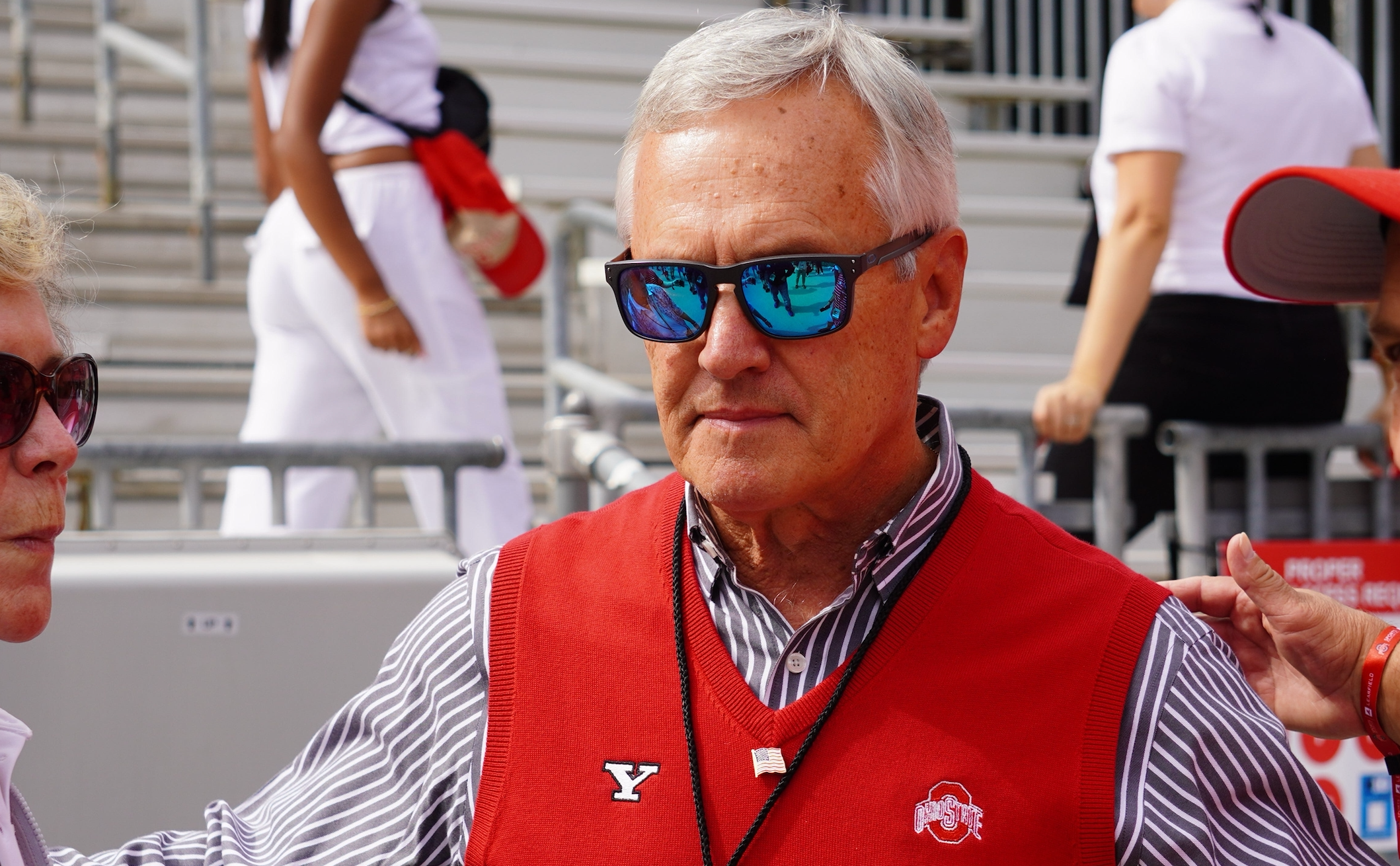
Ohio Lieutenant Governor Jim Tressel, the former Ohio State football coach turned public servant, announced Friday that he will not pursue the governorship in 2026. The decision removes a potential heavyweight contender from the Republican field, paving the way for biotech entrepreneur Vivek Ramaswamy, who has already secured endorsements from both President Donald Trump and the Ohio Republican Party.
Tressel, 72, was appointed lieutenant governor by term-limited Governor Mike DeWine earlier this year to fill a vacancy left by Jon Husted, who accepted a U.S. Senate appointment. Despite being a newcomer to politics, Tressel brought with him a wealth of leadership experience from his time as a national championship-winning football coach and university president. His popularity among Buckeye fans had made him a formidable potential candidate.
In a statement, Tressel emphasized his commitment to completing the initiatives started by the DeWine-Husted administration, particularly in education and workforce development. “Ohio is winning, and it must continue,” he said, expressing his desire to focus on the remainder of his term rather than enter the political fray.
Jim Tressel Decides Against Running for Ohio Governor in 2026
“I believe that our crucial opportunities in the areas of education and workforce deserve my full attention for the remainder of our term,” Tressel said in a statement.
Tressel’s tenure as head coach of the Ohio State Buckeyes from 2001 to 2010 remains one of the most successful eras in the program’s storied history. Known for his trademark sweater vest and calm demeanor, Tressel compiled a remarkable 106–22 record, including a dominant 9–1 mark against archrival Michigan.
In his second season, Tressel led the Buckeyes to a perfect 14–0 record and a dramatic victory over Miami in the 2003 Fiesta Bowl, securing the 2002 national championship — Ohio State’s first since 1968. Under his leadership, the Buckeyes won six Big Ten titles and appeared in three BCS National Championship Games.
Tressel’s teams were known for their discipline, strong defense, and clutch performances. He developed numerous NFL-caliber players and emphasized academic and community responsibility alongside athletic excellence. His holistic approach to coaching earned him multiple national Coach of the Year honors and a place in the College Football Hall of Fame in 2015.
Despite his success, Tressel’s tenure ended in controversy. In 2011, he resigned amid an NCAA investigation into improper benefits received by players. Ohio State vacated its 2010 wins, including a Sugar Bowl victory. While the scandal tarnished his exit, it did little to diminish the impact he had on the program and the respect he earned from fans and players alike.
Tressel’s legacy at Ohio State is defined not only by wins and championships but by the culture he instilled — one rooted in integrity, accountability, and pride in representing the Buckeye tradition.


