
Texas Longhorns transfer portal updates: departures, targets, and what it means for 2026
Texas football is navigating a massive roster overhaul as the transfer portal window heats up following their Citrus Bowl victory.


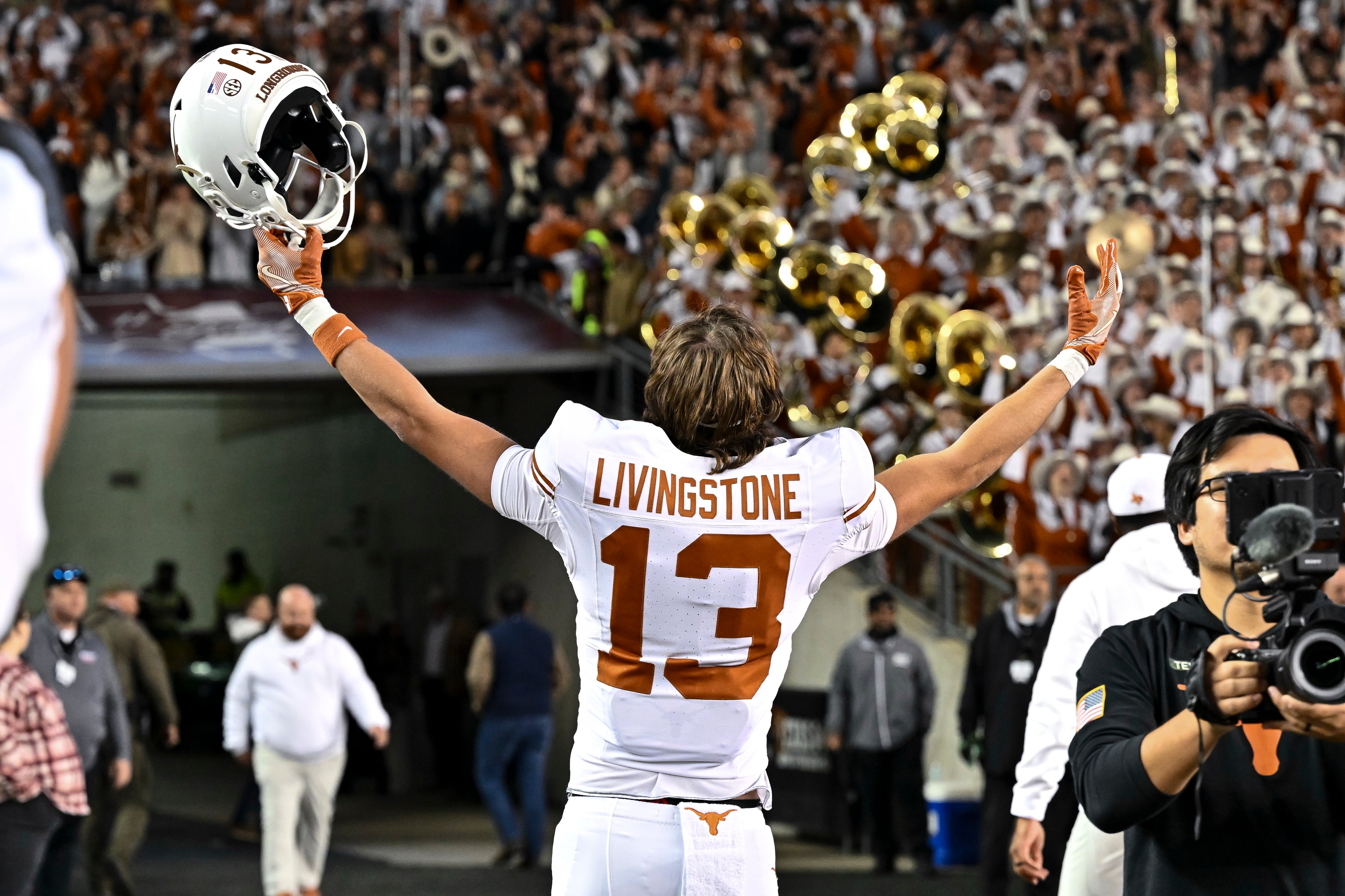
The transfer portal window officially opened Jan. 2, 2026, and the Texas Longhorns — coming off a Citrus Bowl win over Michigan — are already in the thick of roster turnover and roster construction decisions that will define their 2026 championship hopes. The portal is set to run through Jan. 16, and Texas’ staff is moving quickly to fill holes left by departures while also targeting impact players who can upgrade the roster immediately.
1. Longhorn exits: key contributors leaving or entering the portal
The list of Texas players entering the transfer portal serves as a stark reminder of the fluidity of modern college rosters. Several departures are already official or expected:
- Quintrevion Wisner, RB — Texas’ leading rusher this past season, has entered the portal, leaving a significant hole in the Longhorn backfield after finishing the year with 597 rushing yards and three touchdowns.
- Parker Livingstone, WR — the redshirt freshman standout (516 yards, six TDs) has declared for the portal, a surprising departure given his production and early-season breakout.
- Caleb Chester, CB — another player leaving the program, Chester’s exit thins the Longhorn secondary depth.
- Connor Stroh and Derek Williams, Jr. (OL and S) — previously announced as portal entries alongside others like Santana Wilson and Trey Owens.
- Neto Umeozulu, IOL — an offensive lineman with four seasons in Austin, also confirmed entering the portal as the window opened, further impacting a unit already in transition.
Beyond the confirmed names, several others such as Rickey Stewart Jr. and Wardell Mack were earlier reported as expected portal entrants, rounding out a significant exodus from the 2025 roster.
This wave of departures underscores how Texas — like many Power Four programs — now faces both attrition and opportunity in near-equal measure.
2. Why the departures matter: position group impacts
Backfield: Losing Wisner, CJ Baxter, and others leaves Texas with minimal experience in the running game. The backfield is now largely in the hands of returning players like Christian Clark and true freshman James Simon, both of whom earned extended reps in the Citrus Bowl.
Receiving corps: Livingstone’s departure, coupled with prior losses like DeAndre Moore Jr., strips the Longhorns of veteran pass catchers. That places a spotlight on returning players like Emmett Mosley V and Ryan Wingo while making a high-profile portal receiver target more appealing.
Secondary & defense: With Chester leaving and draft departures still shaping the roster, Texas’ defensive backfield will need both retention and targeted portal additions to maintain competitiveness in the SEC.
Offensive line: Umeozulu’s decision to transfer adds to an already fluid O-line picture and could push Texas to prioritize experienced interior linemen who can protect Arch Manning and improve run blocking.
3. Who Texas is targeting: portal priorities emerging
With exits piling up, Texas’ coaching staff has already taken steps toward addressing roster needs through the portal:
- DL Ian Geffrard visit — Texas is hosting the Arkansas defensive tackle, indicating an early push to bolster the defensive front.
- Cam Coleman, WR — A top-tier wide receiver from Auburn, Coleman is being mentioned as a leading portal target, with Texas emerging as a frontrunner amid reported NIL interest and competition from rivals like Texas A&M.
And while not officially committed yet, a range of portal players at running back, linebacker, and interior line are on Texas’ radar, as observers have noted the Longhorns have clear needs at those spots.
4. How the Citrus Bowl influenced portal strategy
Texas’ performance in the Citrus Bowl — including Baylor-Lockett’s flashes, Clark handling heavier carries, and defensive contributions from younger players — gave the staff valuable tape on emerging talent. Coaches will use that film to calibrate portal priorities, identifying where experience is essential versus areas where internal development can suffice.
This is part of a broader trend in college football where bowl games serve as extended tryouts — not just postseason exhibitions. Seeing how players perform under pressure against top competition can influence which positions Texas chooses to upgrade externally and which it believes it can build from within.
5. The bigger picture: roster construction and NIL in the portal era
Texas is trying to be proactive in how it approaches the portal. With each departure, there’s a corresponding calculation about NIL investment, culture fit, and long-term strategy. The Longhorns, like many programs, now see the portal as an essential piece of roster building, not a last resort.
This approach mirrors what other power programs are doing as the portal becomes a central part of not just short-term depth but identity construction: who plays early, who fits the system, and who can elevate the roster immediately.
6. What comes next for Texas
Over the next two weeks, Texas’s staff will aim to balance recruiting incoming high school talent with strategic portal pickups that can plug the most impactful holes. The initial departures reflect a team reshaping itself after an up-and-down 2025 campaign, with coaches using practice reps, film evaluation, and roster analytics to inform where to spend their energy — and their NIL dollars — in the portal.
In short, Texas’ transfer portal cycle isn’t just about who leaves — it’s about who Texas believes can help them win in 2026, starting with pass catchers like Cam Coleman and interior upgrades on both sides of the ball.
This roster overhaul — driven by departures, draft exits, and portal targets — will be one of the defining storylines of the Longhorn offseason. By the time Jan. 16 arrives, we’ll have a much clearer picture of whether Texas can turn Portal Palooza into sustained dominance.
Texas Longhorns News
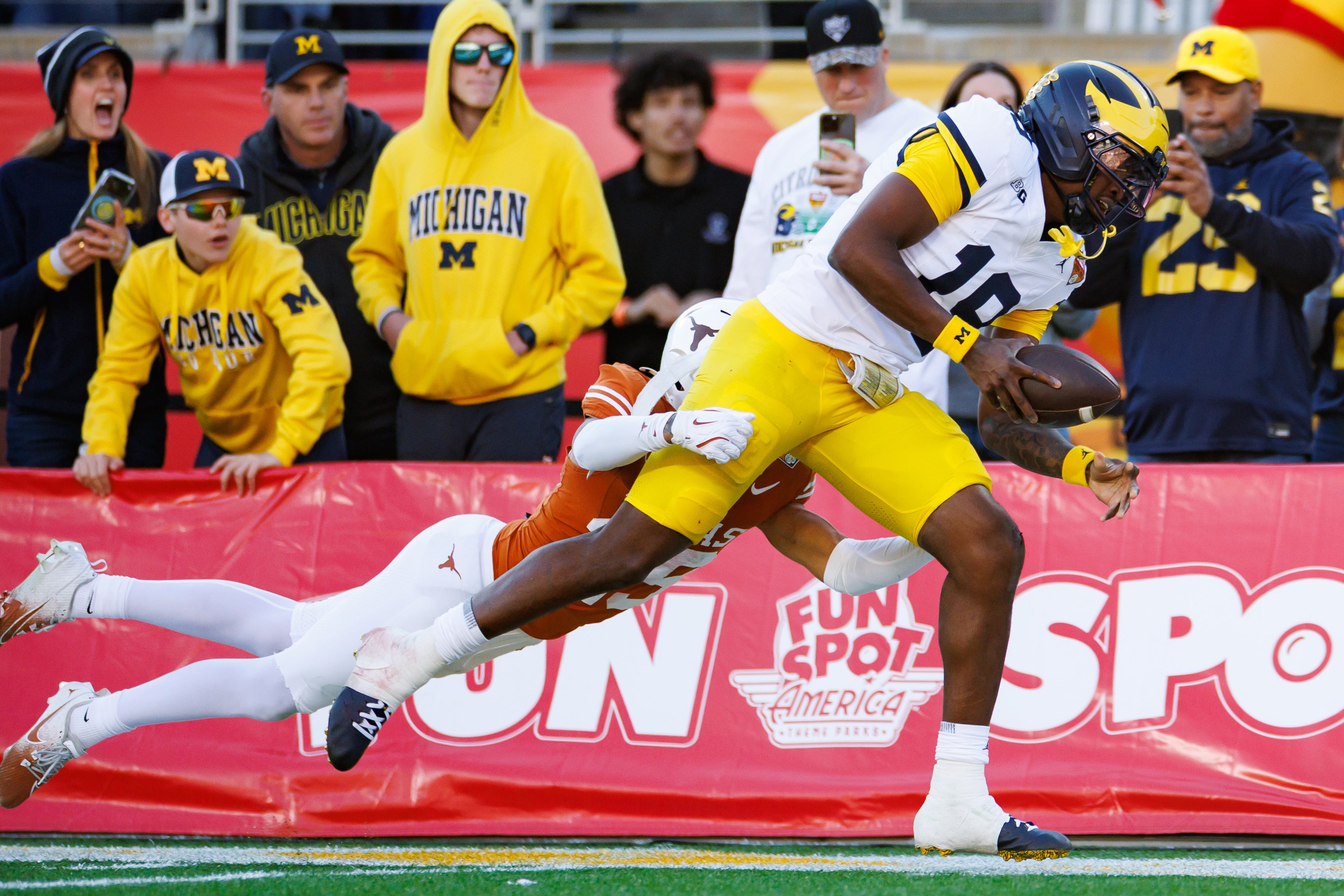
Three picks, no answers: Texas completely shuts down Bryce Underwood in 41-27 Citrus Bowl victory
Texas shut down Michigan quarterback Bryce Underwood with three interceptions and controlled the Citrus Bowl from start to finish, as Arch Manning and the Longhorns pulled away late for a statement win.


