
Why Alabama vs. Auburn is called the Iron Bowl and a history of the rivalry
The Iron Bowl, the annual college football showdown between the Alabama Crimson Tide and the Auburn Tigers, stands out as one of the most iconic and passionate rivalries in sports. Its origins date back to 1893, making it one of the longest-standing rivalries in college football. The term "Iron Bowl" pays homage to Birmingham, Alabama's […]


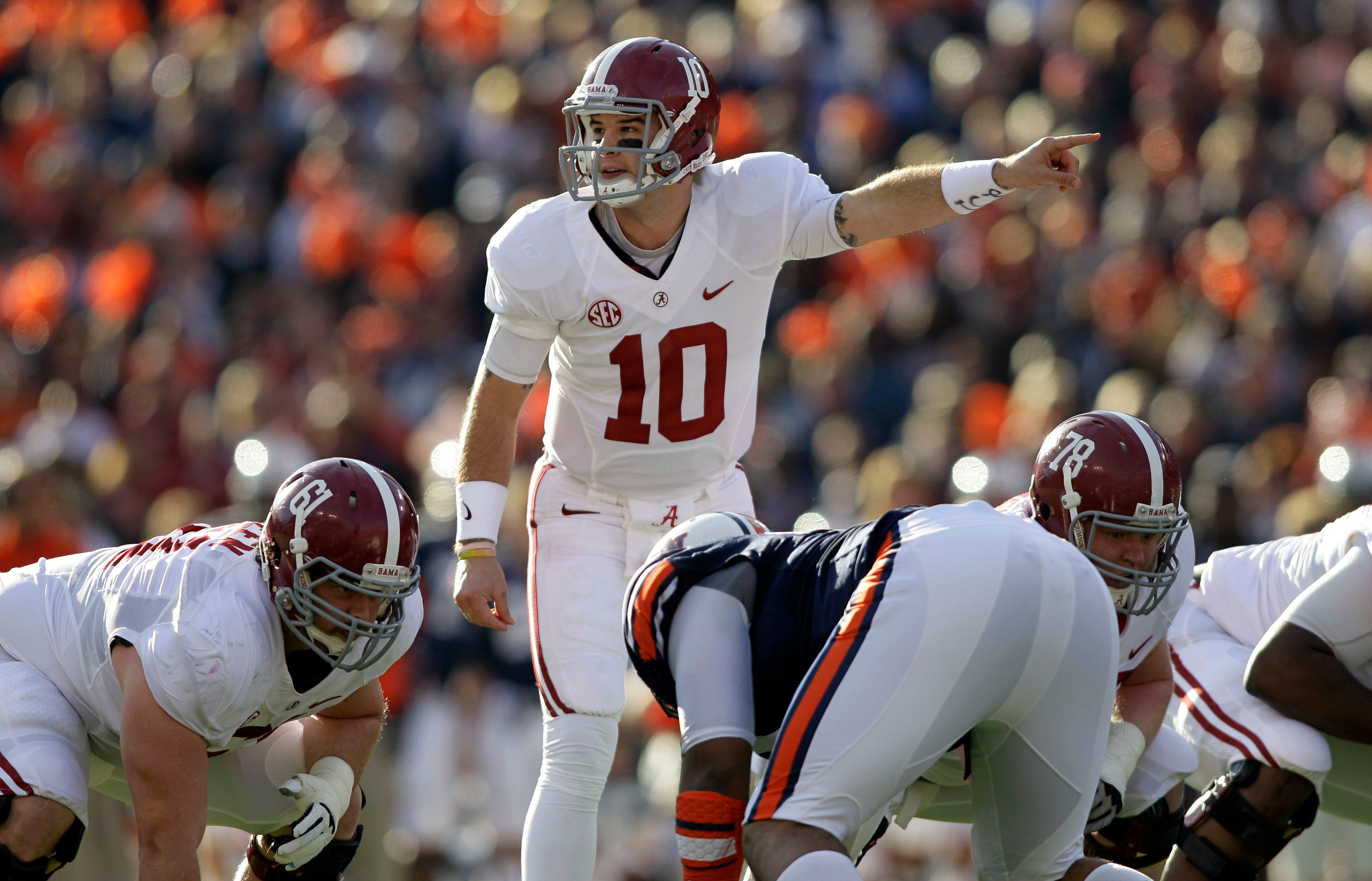
The Iron Bowl, the annual college football showdown between the Alabama Crimson Tide and the Auburn Tigers, stands out as one of the most iconic and passionate rivalries in sports. Its origins date back to 1893, making it one of the longest-standing rivalries in college football.
The term "Iron Bowl" pays homage to Birmingham, Alabama's industrial roots, as the game was frequently held there in its early years. Known for its iron and steel production, Birmingham served as a neutral ground for many decades before the rivalry shifted to campus stadiums in the 1980s.
The rivalry kicked off on February 22, 1893, when Auburn triumphed over Alabama 32-22 in Birmingham. From the outset, the series has been marked by disputes over player eligibility and officiating decisions.
In addition to funding disagreements, these conflicts resulted in a 41-year break between 1907 and 1948. When the series resumed in 1948, it quickly regained its intensity, becoming a cornerstone of Alabama's sports culture.
What distinguishes the Iron Bowl is the profound passion it ignites across the state.
Many Alabama and Auburn fans are neighbors, colleagues, or even family, leading to ongoing banter and rivalry throughout the year. The stakes are high, not just for bragging rights but often for conference championships and even national titles.
Throughout the years, the Iron Bowl has created countless memorable moments. In 1972, Auburn's "Punt Bama Punt" featured two blocked punts returned for touchdowns, leading to a thrilling victory.
In 1985, Alabama’s Van Tiffin dramatically kicked a 52-yard field goal as time expired, securing a 25-23 win. More recently, the 2013 "Kick Six" game became legendary, as Auburn's Chris Davis returned a missed field goal attempt 109 yards for a game-winning touchdown, stunning the top-ranked Alabama team and propelling Auburn to the SEC Championship.
The Iron Bowl has frequently had national championship implications in recent seasons, particularly with Alabama's success under head coach Nick Saban. From he took the helm in 2007 until he retired after 2023, Alabama has established itself as a powerhouse, claiming six national titles.
Conversely, Auburn has also had its moments in the spotlight, including their national championship win in 2010 with head coach Gene Chizik and Heisman Trophy winner Cam Newton.
The rivalry remains fiercely contested, with Alabama currently leading in the all-time series. As of 2023, Alabama had 49 wins compared to Auburn's 37, with one tie. The matchups are rarely predictable, often showcasing explosive plays, tough defenses, and heart-stopping finishes.
Beyond football, the Iron Bowl represents the cultural divide between Alabama’s two major universities.
The Crimson Tide, synonymous with statewide prominence and tradition, contrasts sharply with Auburn’s smaller, close-knit community and underdog mentality. This cultural dynamic heightens the stakes each November when the two teams face off.
Ultimately, the Iron Bowl transcends the realm of sports; Alabama’s cultural phenomenon unites and divides fans with an unparalleled intensity that few rivalries can rival.


