
Tennessee strength coach Derek Owings explains a hidden truth that helped fuel Indiana’s title run
The Vols’ new strength and conditioning coach gets real about how he wants his team to look and play.

Tennessee pulled off a major coup this offseason when they landed new strength and conditioning coach Derek Owings from the Indiana Hoosiers. Owings did yeoman’s work in Bloomington by helping the Hoosiers become one of the most physical and athletic rosters in college football from top to bottom on a roster that wasn’t exactly chock full of five stars.
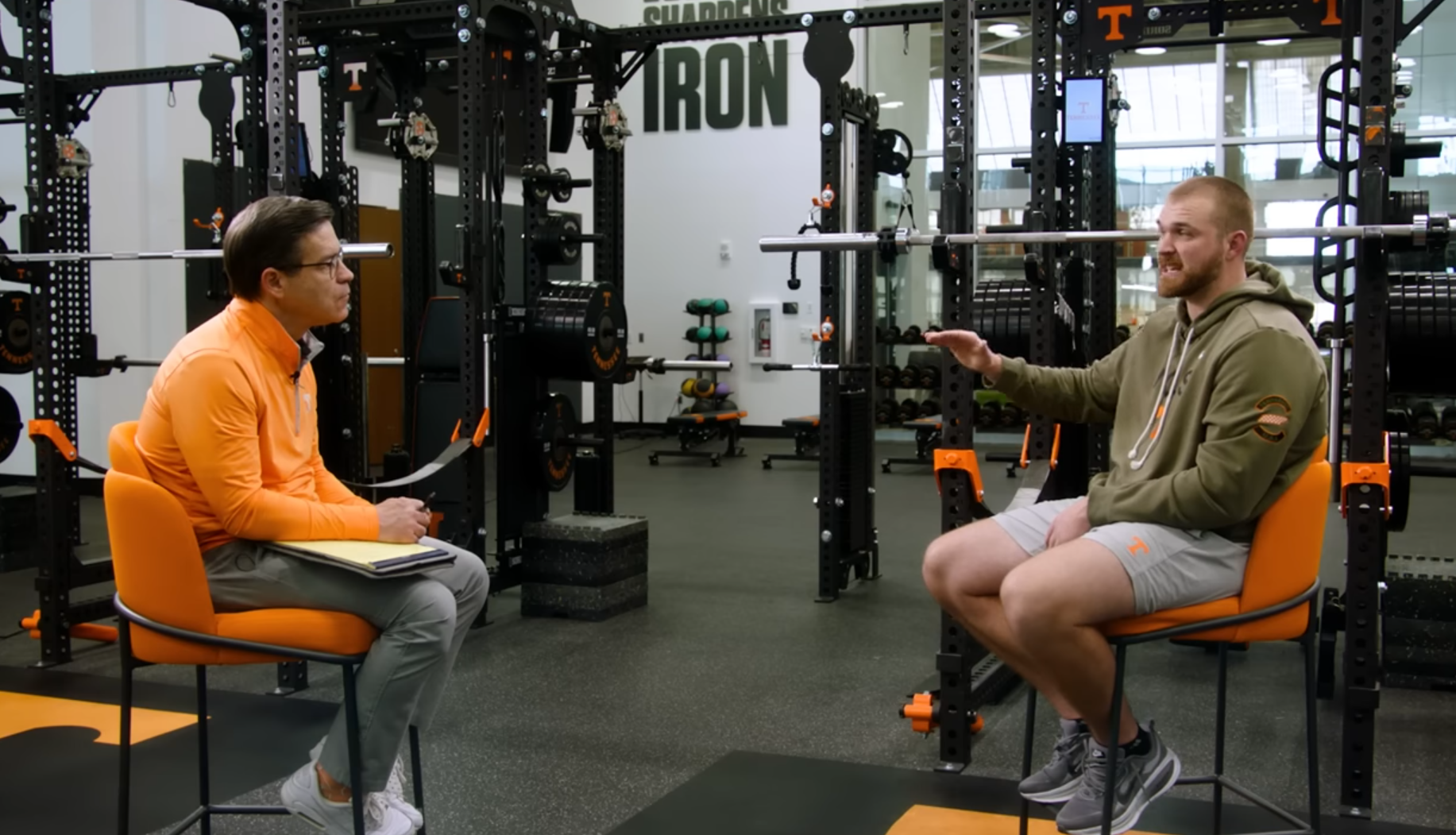
Voice of the Vols Mike Keith sat down with Owings and asked a simple question that got a very interesting response during their chat this week: will Tennessee be a bigger football team in 2026? And Owings’ answer explained the importance of good weight while maintaining speed and athleticism.
Tennessee S&C coach Derek Owings says they’ll track speed, power, and athleticism week to week while working to get stronger
“Absolutely,” Owings said. “We’ve had a lot of that have added already 15 pounds of muscle in a six and a half week training block.
“Everything we do, it has to fit together like a puzzle. The reason why we track speed every single week, we track power every single week, vertical jump, to make sure that the weight we are putting on is good weight. What makes these guys great is because they’re athletic, they’re twitchy, and they’re good football players. As soon as we make them too big that takes away from those qualities, now we’re taking away from football.
“So, we want to enhance those abilities, not hurt them. So, it’s the constantly tracking, week to week, to make sure the weight we’re putting on is good weight. If we get to a point to where, hey, this kid is too big [and] we’re getting slower, then we’ve got to pull back, keep him there until we can start increasing that speed, that power, that explosiveness again, and then we’ll see if we can keep improving. Because there are some kids who are at a good body weight. We’ve got to get leaner, we’ll get faster, we’ll get more powerful, but we don’t need this kid to be heavier than what he is right now.”
Indiana Hoosiers played with power and speed last season despite being undersized to a number of opponents
The truth is that sometimes bigger isn’t better. Some may think that the bigger team is going to impose their will more often than not, but that wasn’t the case in the season’s most important game.
Owings mantra was fully on display in 2025 for the Hoosiers, and it might not have been more evident than with their defensive line. Their defensive front averaged a little bit under 280 pounds, and that sometimes paled in comparison to the size of the opposing offensive lines they faced. And perhaps no one was bigger and stronger up front than Miami last year, who averaged around 330 pounds on their offensive line.
The Hoosiers’ defensive front more than held its own for much of the national championship game, controlling the line of scrimmage with power and speed and stymying the Hurricanes’ ground game in the first half on the way to a 10-0 halftime lead and an eventual victory. It was a perfect example of what playing at your optimal size with optimal power and speed can do on a football field.
Now, the work continues to transform Josh Heupel’s roster into their best frames to optimize their athletic ability this upcoming season.

Tennessee Volunteers News
National media outlet gave Tennessee head coach Josh Heupel a backhanded compliment that Vols fans aren’t sure how to take
Josh Heupel is entering his sixth season as the head coach of the Tennessee Vols.


