'This is not wide receiver tape' – Draft analyst explains why it's impossible for NFL teams to evaluate players from Tennessee's offense
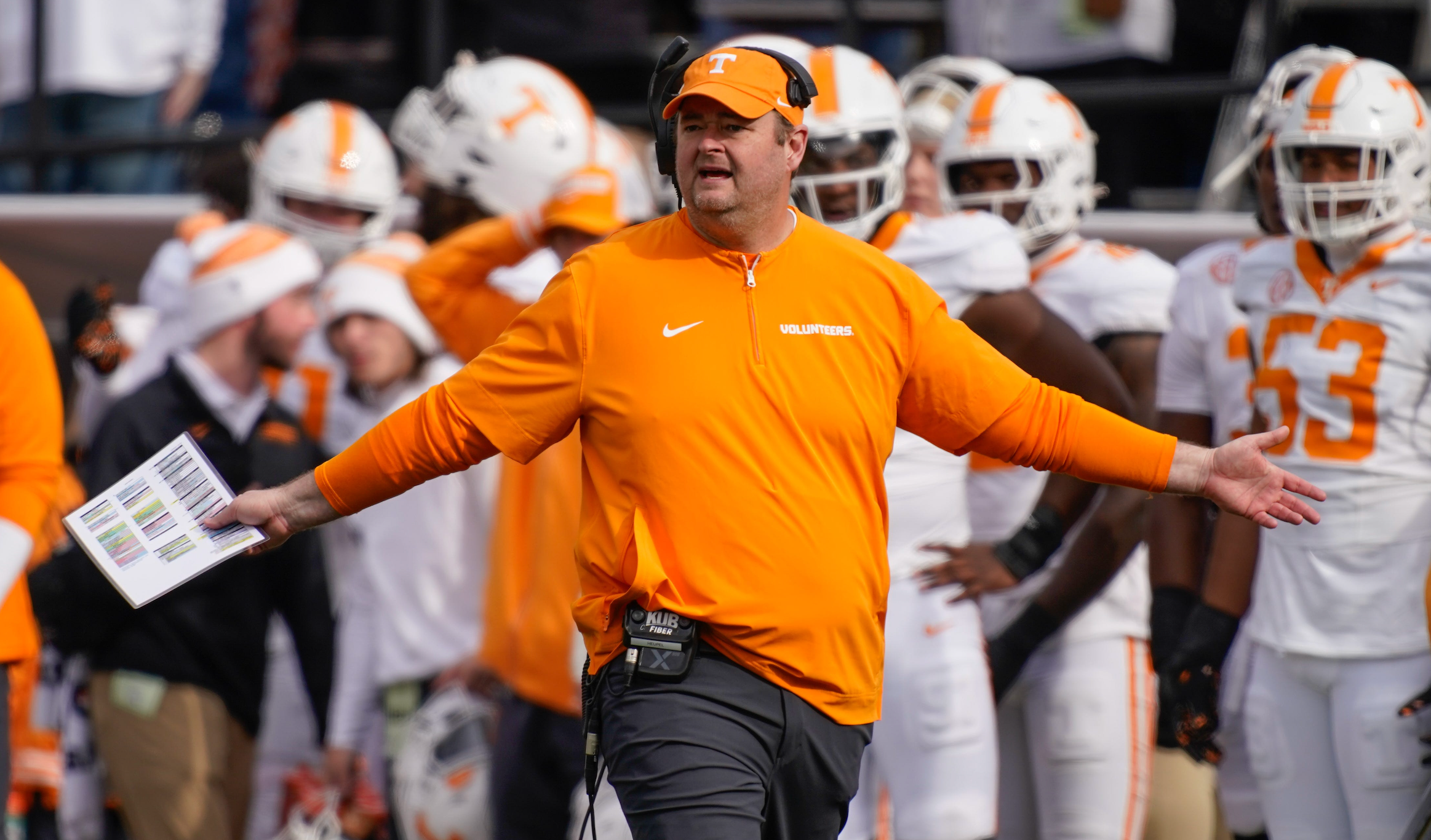
The Tennessee Vols have put up impressive offensive numbers under Josh Heupel over the last four seasons. Since Heupel's arrival on Rocky Top in early 2021, the Vols are averaging 38.2 points per game. But despite the offensive success, the Vols have only had one offensive player selected in the first round of the NFL […]

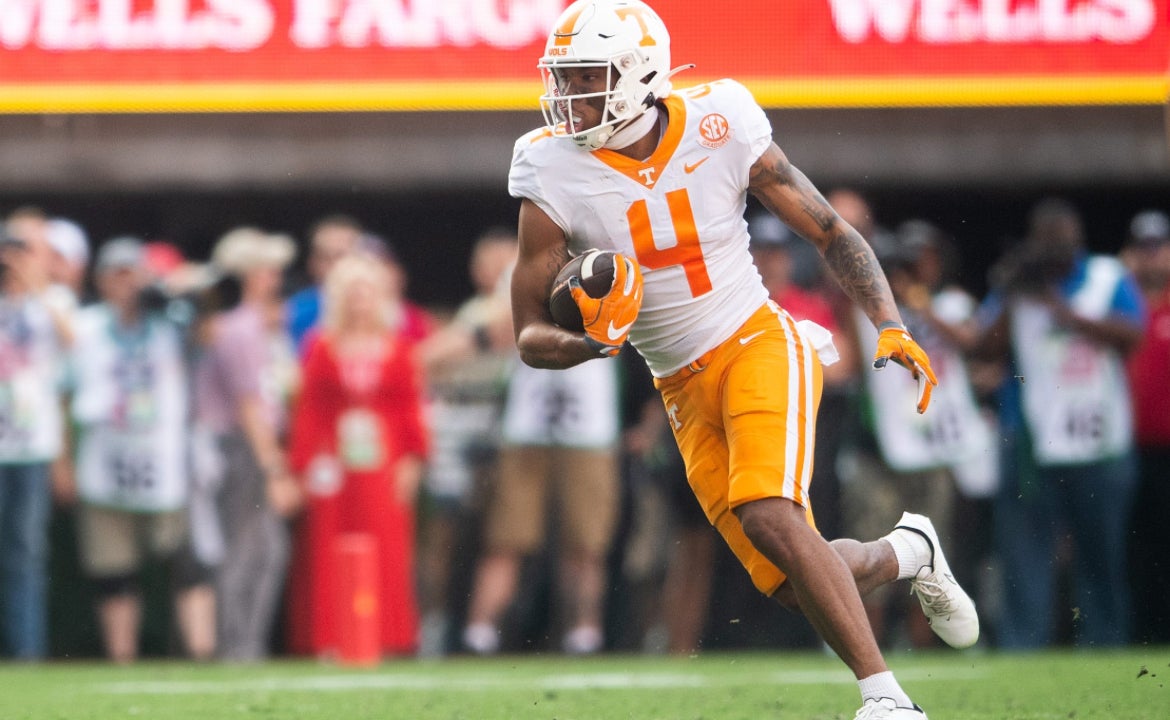
The Tennessee Vols have put up impressive offensive numbers under Josh Heupel over the last four seasons.
Since Heupel's arrival on Rocky Top in early 2021, the Vols are averaging 38.2 points per game.
But despite the offensive success, the Vols have only had one offensive player selected in the first round of the NFL draft under Heupel (offensive lineman Darnell Wright in the 2023 NFL Draft at No. 10 overall by the Chicago Bears).
So why hasn't the Vols' offensive success led to more players getting selected early in the draft?
According to longtime NFL draft analyst Sam Monson, it's because it's "impossible" to evaluate offensive skill players from Tennessee's offense.
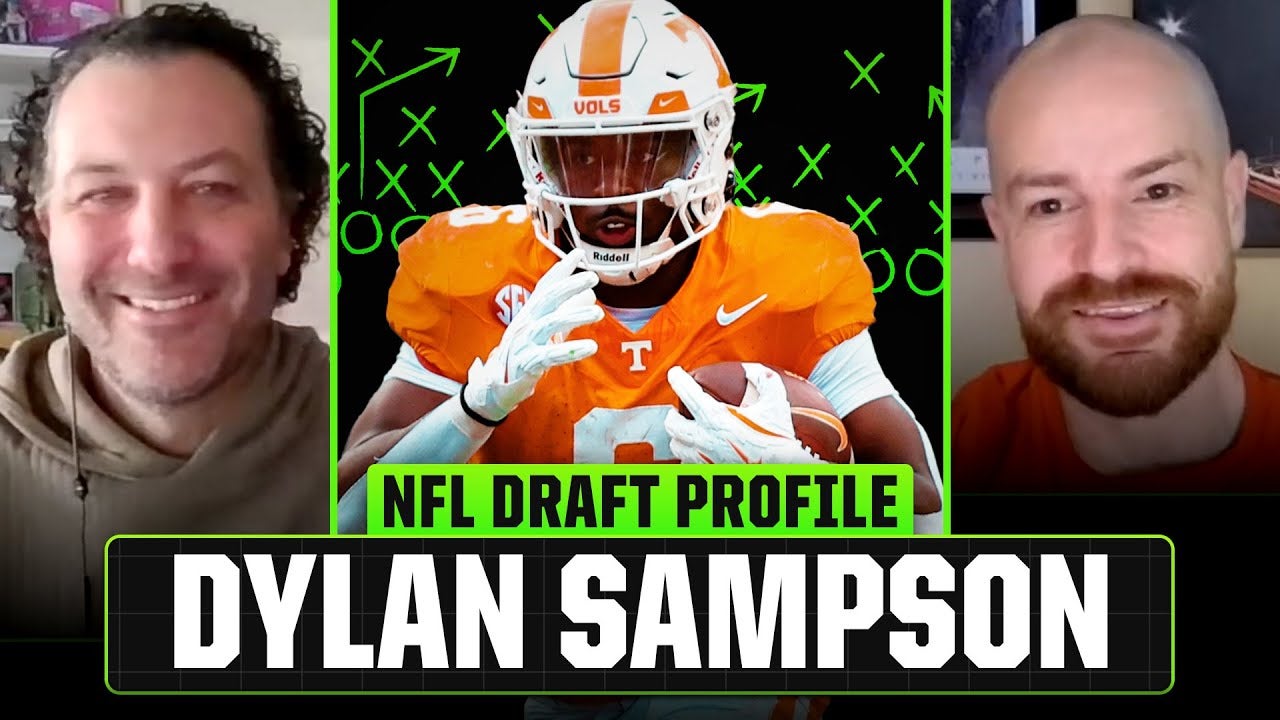
"It's not a real system relative to an NFL system," said Monson during a recent episode of Check the Mic. "It's abstractions. You're looking at wide receivers, like, this is not wide receiver tape. This is effectively like picking an athlete and asking him to run a go route and a hitch in practice and being like, yeah, that's my No. 1 wide receiver. It's impossible. It's a complete and total projection."
"It is always difficult to unpack that offense," added draft analyst Steve Palazzolo. "And to repeat for the millionth time, good for Tennessee, good for Josh Heupel, good for college football. Difficult for NFL evaluations. Because they're exploiting the hash marks, they're exploiting space, which is good football coaching, but it's bad for NFL draft projections. Because that's not what the NFL runs."
"It is a great college offense," continued Monson. "It is hateful for projecting anything to the NFL because it is so far away from what the NFL is doing. That's the problem. That's why I don't like it. From the college perspective, it's fantastic. It's a cheat code. It is a perfect way of creating advantages for your athletic playmakers. But it becomes very frustrating when you have to project that to the NFL when these guys are going to have to do something very, very different than what they are doing in college."
The comments from Monson and Palazzolo are similar to what Tennessee Titans head coach Brian Callahan said about the Vols' offense earlier this month.
"There's just a different style of play [in the NFL]," explained Callahan during a live taping of the The Install with 104.5 The Zone's Buck Reising. "In the NFL, I guess the best way to put it as we start talking ball, is a lot of times in the NFL, you have to throw the ball before guys are anywhere near the spot, or you don't even know if he's open. Because most of the time, you're throwing to spots, you're anticipating windows. And in college football, it's a lot more of seeing guys come open. That's probably the best way I can describe it. As you see a receiver running into a zone, then they go (and make the pass). Whereas in the NFL, you better go long before that spot (comes open) or the ball is going to get picked. That's probably the biggest difference, and it's hard to see."
"I would say the average person just watching college football would never be able to understand that (difference in predetermination and anticipation) just with the naked eye," continued Callahan. "Just watching, it would be really hard to understand. Because there is definitely that element in college where the offenses are so much different. Especially when you talk about, for example, Tennessee, right? The University of Tennessee. That's spread out, that system. And so sometimes those are, as you say, predetermined (throws). The ball's going here no matter what. It looks like they're doing it quickly, [but] they may not really be seeing anything of any substance."
Essentially, it's not that players from Tennessee's offense can't or won't be successful in the NFL. And it's not that Tennessee isn't preparing players for the NFL. The problem is that it's incredibly difficult for NFL teams to project if players from Tennessee's offense will succeed in the NFL. That's because they haven't seen UT's players in an offense that even remotely resembles what NFL teams run.
Evaluating players from college for the NFL draft is hard enough as it is (NFL teams spend months, if not years, evaluating players and they still miss on guys all the time). Because of Tennessee's unique spacing, NFL teams are basically forced to evaluate players much like colleges evaluate players from high school (evaluating athletic traits).
This is already a problem in recruiting for Tennessee as it gives opposing college football programs an easy way to negatively recruit against the Vols (which was confirmed in 2023 by UT wide receiver Dont'e Thornton).
It's on Heupel to find a way to bring some NFL style concepts to his offense to help change the narrative about the Vols' offense.