
The Cautionary Tale of catch point wide receivers and how to value them for the NFL Draft
There has been a fascinating debate over the last couple of years when evaluating wide receivers. It has centered around “catch point” wideouts, players who do their best work when elevating for the football. Separation isn’t as much a priority as a route runner, or pure athlete, instead winning with size, catch radius, and strong […]
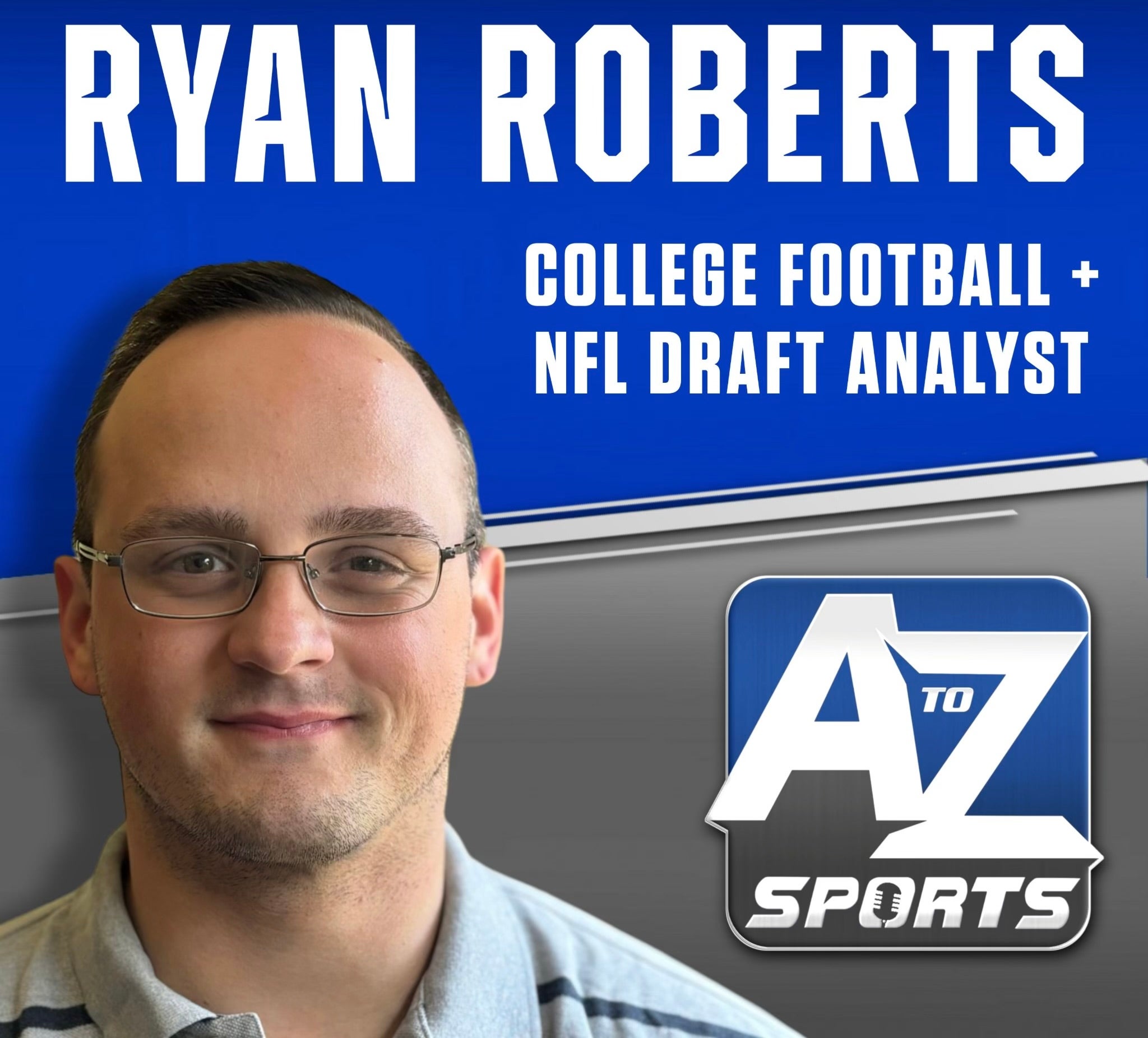

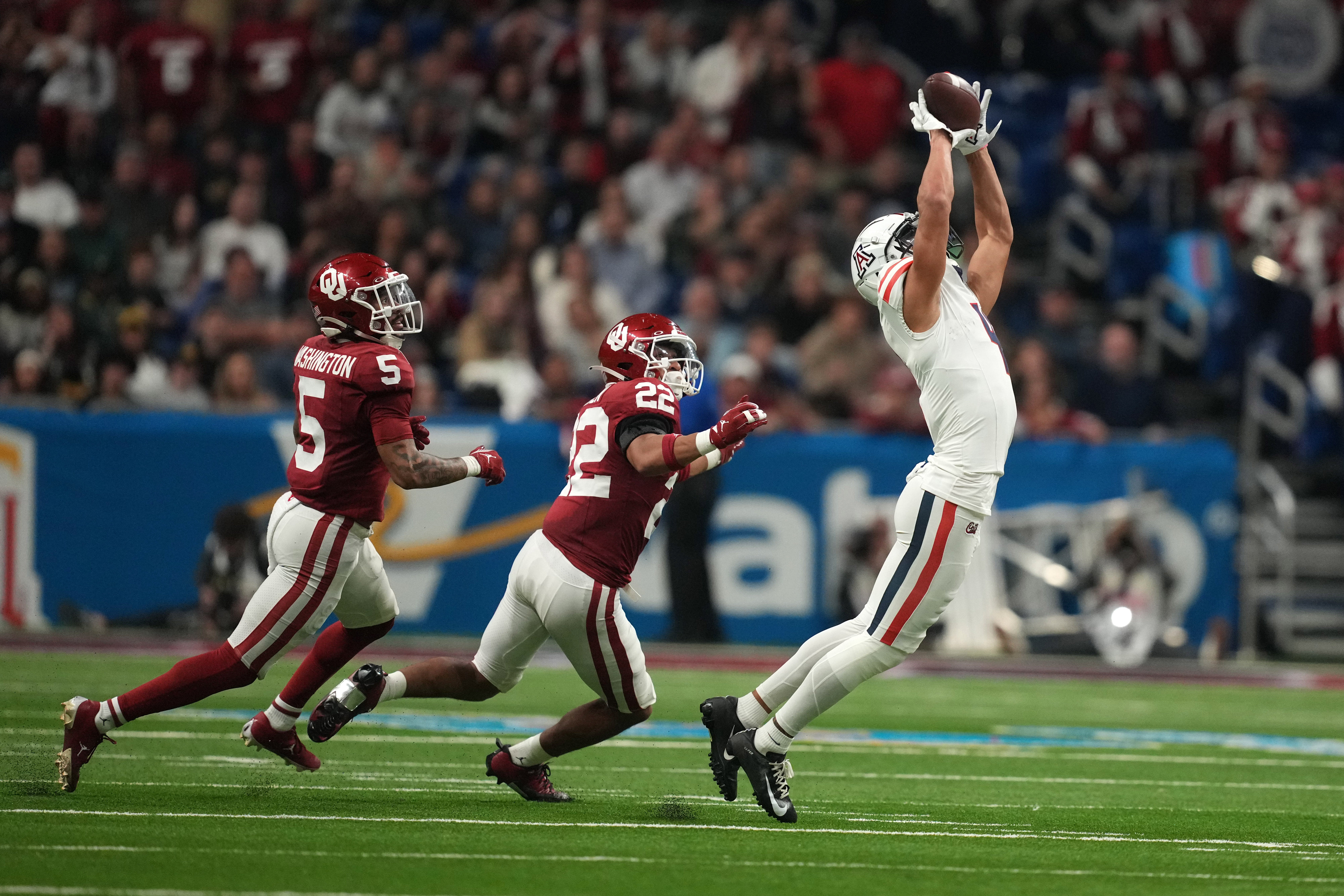
There has been a fascinating debate over the last couple of years when evaluating wide receivers. It has centered around “catch point” wideouts, players who do their best work when elevating for the football. Separation isn’t as much a priority as a route runner, or pure athlete, instead winning with size, catch radius, and strong hands through traffic.
That style has its place in the NFL, at least to a point. The tricky part with evaluating wide receivers is the understanding for how a player wins, and how translatable it is. Over the years, we have seen more and more of a trend away from pure catch point dynamos.
For every Mike Evans (Texas A&M), Mike Williams (Clemson), Georgia Pickens (Georgia) or Drake London (USC), there is a N’Keal Harry (Arizona State), JJ Arcega-Whiteside (Stanford), Josh Doctson (TCU) or Kelvin Benjamin (Florida State). Even a player like Evans is one that you could argue is more than just a catch point guy. He has more than enough long speed to separate strictly as an athlete, including his ability to track the football down the field.
That debate just raged this past cycle in the 2024 NFL Draft class with former Florida State wide receiver Keon Coleman. It caused him to drop some, eventually being selected by the Buffalo Bills in the top of the second round. Nobody knows how well that Coleman will translate, but history does say it’s a very volatile projection that could go either way.
The same can be said with players like Corey Davis (Western Michigan), Laquon Treadwell (Ole Miss), and DeVante Parker (Louisville), who all had varying degrees of success in the NFL. People fall in love with the spectacular catch, but don’t spend enough time on the more important aspect: sustainable success. That’s how you end up with Arcega-Whiteside over DK Metcalf, or Harry over AJ Brown and Deebo Samuel. The spectacular catch is great, but so is the standard sharp route break and foot speed to separate.
Every wide receiver wins in different ways, but there are still some key traits to look for when evaluating the position. As is the case with most things; more is typically better.
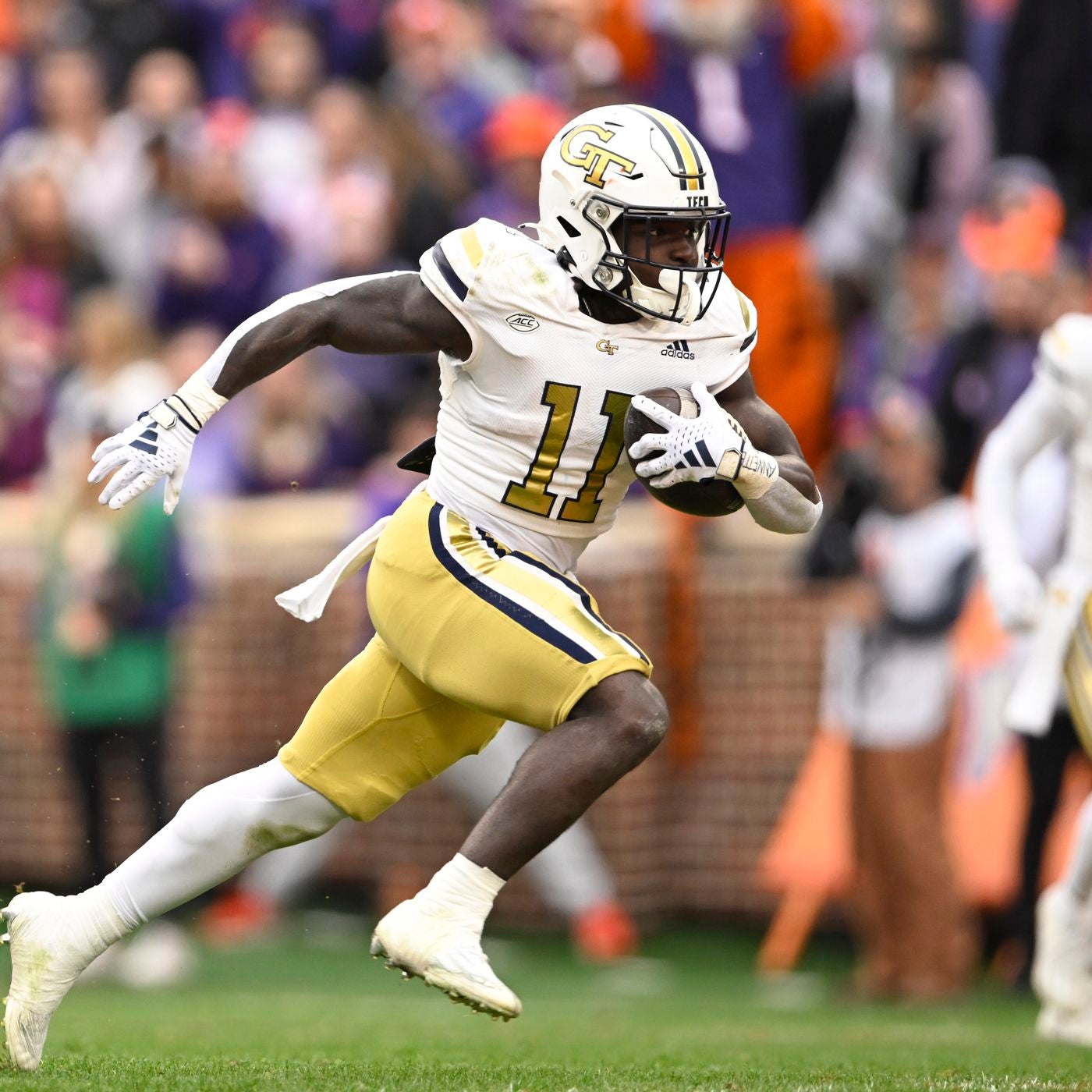
Georgia Tech playmakers thrive, Florida State defenders underwhelm, among other 2025 NFL Draft notes from Week Zero
The 2024 season has begun, which gives us more recent film on 2025 NFL Draft prospects. Here are some notes from Week Zero.
What to look for when evaluating
The key thing to ask yourself when evaluating a wide receiver: How do they win? That answer is usually one of three things; as a route runner, an athlete or with size and length (catch point). There’s a debate about which skill set translates best but even if you are a one-trick pony, that trick could be enough for a player to find a sticking point on the next level.
When you start getting into the really good wide receivers, they typically win in multiple ways. The more ways you can create separation, it makes things easier. The easier you make things, typically the better and more productive player you are. The more you can do, the better you are, typically.
The next cautionary tale
In the 2025 NFL Draft class, there is going to be your latest catch point debate centered around Arizona star pass catcher Tetairoa McMillan. Listed at 6-5 and 214 pounds, McMillan has made some of the most absurd highlight-real catches you are going to find anywhere. His combination of hand strength, catch radius, and body control is special.
You know that McMillan is going to be able to win in the air. His size and ability to extend is something that will allow him to out leverage most opposing defensive backs. The ball always seems to find McMillan’s hands, and he typically is going to come down with it.
The area of concern for McMillan is whether he has the upside to create much separation in another area. From a foot speed perspective, the California native is far from a burner. If you watch games like Utah, you can see a general lack of an ability to get on top of defenders when working outside. He is never going to be a great separator with foot speed.
As a route runner, there are some solid moments. McMillan definitely understands the craft, clearly knowing how to attack defenders blind spots. There just is a general lack of fluidity. It isn’t debilitating but it also doesn’t help a ton either. There will be moments where McMillan will separate as a route runner but is it to the degree to make it a staple of his game? That’s the major question.
Now that being said, I have an early second round grade on McMillan. This is not a death sentence, or a claim that he won’t be a good player on the NFL level. This is just a caution for those who are pumping the top ten overall pick projections out there.
There is a lot more concern about his translation than some will admit to, instead being drawn back by the sick one handed catch in traffic that is great, but gets considerably more difficult as defensive backs get bigger and more athletic, and windows get smaller. The cautionary tale of catch point wide receivers.


