
Panic at the Stadium: How the NFL helps rookies fight against the mental health stigma
On February 2, 2024, I was in Mobile, Alabama checking off a big moment on my career checklist: I had just finished up a successful week at my first Senior Bowl. Myself and the rest of the A to Z Sports crew that were there and we had a productive time at the practices all […]
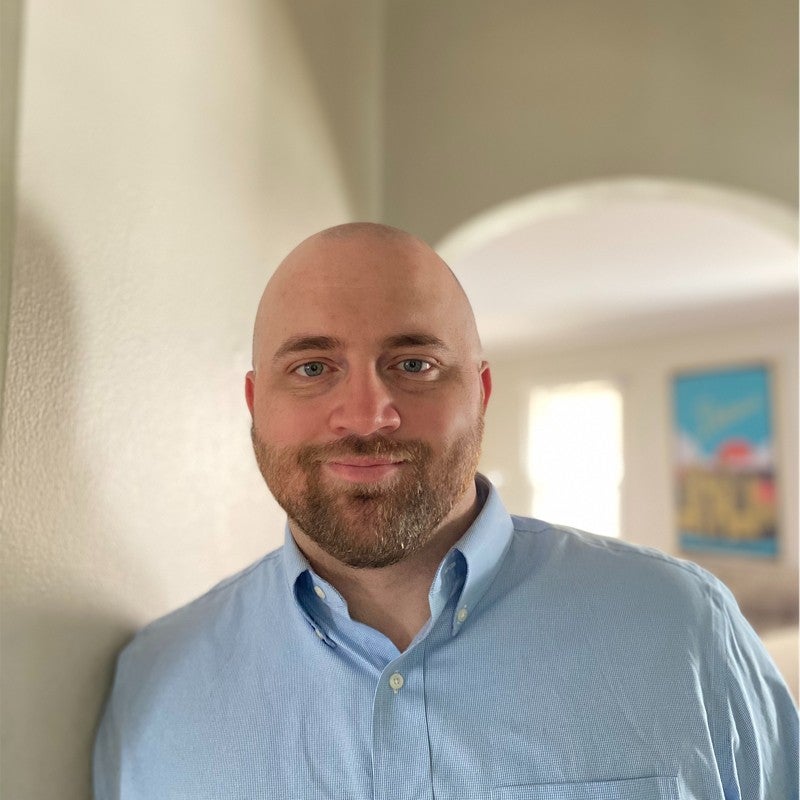

On February 2, 2024, I was in Mobile, Alabama checking off a big moment on my career checklist: I had just finished up a successful week at my first Senior Bowl. Myself and the rest of the A to Z Sports crew that were there and we had a productive time at the practices all week, but it was time to go home.
We ordered a Lyft and piled into the car and that's when I started to feel it. At first, it was just discomfort. I simply felt uncomfortable the way I was positioned in the front seat. The seat back was all the way up and since there were three guys in the back seat, I had the seat moved up a little bit. So I felt somewhat compacted.
That feeling of uncomfortableness started to turn into sweating. Now I'm uncomfortable and hot. Then I started to get twitchy. It's something that I've been doing since I was a kid. When I get nervous, I tend to contort my hands and crack my neck a lot. The twitching, uncomfortableness, and sweatiness were then accompanied by a dry mouth and a sudden feeling as though I could not breathe.
I knew what was happening. This wasn't my first rodeo with this. I'm going to have a panic attack. At this moment, I pull out my phone and put the directions to the Mobile airport in the maps app to see if we're close and see if I can get through this. We're about eight minutes away. Ok, now it's really starting to come on and in my head, I'm fighting it because I don't want the guys in the back to see me like this. I'm a division manager at A to Z Sports and if they see me panic, maybe they won't respect me anymore or they'll think I can't handle it.
Now I'm rolling the window down in the front seat to try to get a breeze on me. I'm quietly going through my breathing exercises and trying to act normal. Then my brain decides to tell me that I'm dying. "This isn't a panic attack. You're having a heart attack. Remember that your dad had one in his 40s and that this is your greatest fear." Now, it's happening.
I'm fighting that off and telling myself that, "You know what this is. This is a panic attack. Your heart is fine. It's been fine since a few months earlier when you had a panic attack and went to the emergency room because you thought you were having a heart attack and they ran every test they could on you and said you have a perfectly healthy heart."
Then my mind thought, But what if they missed something?
Ok, now I'm in it. It's a full-on panic attack. I feel like I'm going to throw up. I'm trying so hard to just get through it. We're only five minutes away from the airport now. Then at the red light, I ask the driver to please pull over because I'm going to be sick. He obliges and then I get out of the car and immediately fall to the ground.
I'm lying face-first in the grass outside of a gas station. Everyone in the car is wondering what is happening to me. Even a guy that's walking by is stopping to ask me if I'm alright. My heart is beating so fast at this point. It's like 140 beats a minute and I'm not working out. I am definitely not alright, but I tell the guy walking by that I am alright.
I took the Ativan pill that I keep in my wallet for occasions like this and I got myself back in the car. The driver said, "We're almost there." I just deep-breathed through it. We got to the airport, I grabbed my bag out of the back and essentially ran away from the rest of my co-workers. Then I lay on the floor of the gate of my flight and drank water until I felt that Ativan kick in.
Panic attacks are no fun. Seriously, that didn't seem like a very fun story did it? I know that I'm not the only one that has them. A lot of people do. What I found myself curious about was, what kind of resources would I have in the NFL if I were a rookie coming into the league with a panic disorder?
There are a lot of things that could induce a panic attack for a player in the NFL. There are stadiums packed full of fans and media scrums where you're suddenly surrounded by 20-30 reporters with phones and mics in your face. There are TV interviews, high levels of scrutiny by reporters, and on a more personal level – friends and family coming out of the woodwork looking for handouts. Along with a massive change in finances that can come with a lot of stress. Just the thought of having to deal with all of that at once and, almost immediately, is panic-inducing.
I was fortunate enough to speak with NFLPA Director of Player Wellness, Dr. Amber Cargill, about it and here's what I learned.
First off, every team has a licensed mental health clinician on site. This began in 2019 when the NFL and NFLPA agreed to have every team in the league have a behavioral health clinician on staff. They're trained to help with depression, anxiety, and panic attacks.
Mental health, in the form that we know now, is relatively new. People are seemingly just starting to open up about it and for the first time, people are willing to say that they're not alright. Previous to that, there were a lot of stigmas around mental health and sadly, there still are today. One of the big ones is that it's a weakness.
It's perceived that every team is constantly looking out for weaknesses when they're drafting players. So there's a chance that a player may feel as though he needs to hide it from teams during the draft process and even after a team drafted them. Dr. Cargill had some assurances for those players.
"The Team Clinician is licensed in his or her respective jurisdiction, meaning legally and ethically, they abide by the same guidelines that all mental health professionals are bound by," Dr. Cargill said. "Confidentiality is non-negotiable, meaning the Team Clinician cannot disclose any personal health information unless permitted by HIPAA and the laws governing their jurisdiction."
With that said, Dr. Cargill did say that there have been instances in which players shared concerns about anonymity with the NFLPA and the association would then assist players in finding an outside clinician where they're located if they chose to go that route.
The biggest question I had was related to medications, as the NFL has a banned substances list. Adderall is one of the substances on that list. Adderall is something I took daily growing up with ADHD. According to the National Institute of Health, 2.58% of adults that had ADHD as a kid, still have it as an adult. That's approximately 140 million people. That's not a small amount.
You're able to take Adderall in the NFL, but you have to report it to the league for approval and it has to be medically necessary. Like any drug, some people take it for the wrong reason.
I take selective serotonin reuptake inhibitors like a lot of people do. Pills like Lexapro, Wellbutrin, or Pristiq. SSRIs increase serotonin in an effect to help moods and emotions. Do you have to report to the league that you're taking these as well?
Not at this time.
"Under the current NFL drug policy, players are not required to report to the league that they are taking SSRIs."
What about something stronger? Panic attacks hit hard and while they don't last all that long, they can be absolutely devasting to the point where you think you're going to die. That's where benzodiazepines come into play. Remember that Ativan pill I was talking about? That's a benzodiazepine. They're used as a sedative.
Players in the NFL do not have to get league approval to take them, but there is a caveat.
"An exception to the rule is that if a player is in the drug program and the medical director believes the use of benzodiazepines is a treatment issue, then the player would be tested for benzodiazepines," said Dr. Cargill.
It seems like the NFL and the NFLPA is set up very well to take care of players with mental health disorders. Beyond what I learned from Dr. Cargill, I learned that the NFL has a program called Total Wellness.
The Total Wellness program has things like CBA-mandated team mental health training. for the example that we're going off of today, the league has a rookie success program that is part of Total Wellness. This program is used to help players get used to the life of being a professional athlete by helping with mental health elements as well as managing finances and substance abuse.
Panic attacks are still going to happen. They're not something that you can make go away forever, but if you're in the NFL, there are resources to help you.
Even if you're not, there are resources to help you, too. Don't think you're alone because you're not. I urge you to take care of yourself and seek help. You're not weak. There's nothing stronger than admitting you're not ok and asking for help.
Here are some mental health resources that I recommend:
The Anxiety &Depression Association of America is a good spot to learn more about what you're going through.
Better Help is a good spot that allows you to do your therapy at home instead of going into an office. That's something that is personally uncomfortable to me.
Headspace is a great app that features calming meditations done by the best British voice you'll ever hear. They will lead you threw calming exercises that really work.
Lastly, there's 988. You dial or text this number and immediately speak with a crisis counselor who can help you if you feel like things are too much. Don't feel alone in that. I've felt that way before and a lot of others have too. There is help.


