Examining the Arizona Cardinals rationale following Josh Dobbs' trade
Two months ago, the Arizona Cardinals acquired quarterback Joshua Dobbs from the Cleveland Browns for a late-round swap. They sent a fifth-rounder, in exchange for the player and a seventh-rounder. On Tuesday, right before the trade deadline, the Cardinals sent Dobbs and a seventh-rounder to the Minnesota Vikings for a sixth-rounder. It's not a big […]


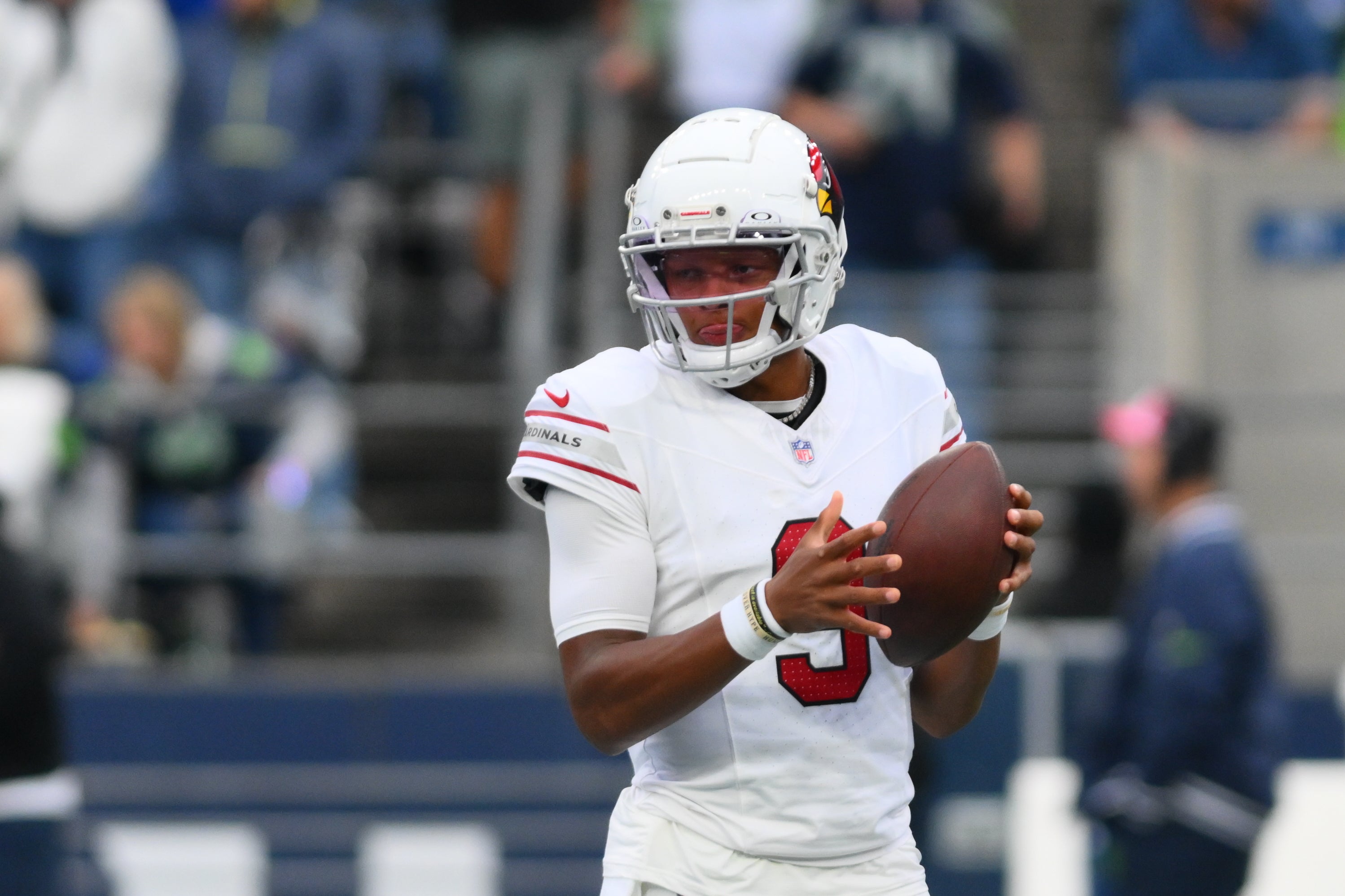
Two months ago, the Arizona Cardinals acquired quarterback Joshua Dobbs from the Cleveland Browns for a late-round swap. They sent a fifth-rounder, in exchange for the player and a seventh-rounder. On Tuesday, right before the trade deadline, the Cardinals sent Dobbs and a seventh-rounder to the Minnesota Vikings for a sixth-rounder.
It's not a big deal, don't get me wrong. But for a team that it's intended to rebuild, there's little sense in spending draft capital for Band-Aids.
And this is a clear rebuild for the Cardinals. Considering that, it would be better aligned with the roster-building phase to just play rookie fifth-round pick Clayton Tune from the jump.
The Cardinals got decent quarterback production from Dobbs, who had eight starts and a 81.2 passer rating, with eight touchdowns and five interceptions. That's about right for a career backup acquired days before week 1.
But what's different for the Cardinals after these eight games? The only factor is that Kyler Murray is almost ready to play. He has been designated to return from the physically unable to perform list when the Cardinals opened up his 21-day practice window, but hasn't been activated to the 53-man roster yet.
While it's a big factor in the first sight, it's not nearly as impactful for a rebuilding team. As reporter Greg Auman posted on X, the Cardinals ended up paying more for half a season of play by Dobbs than the Vikings did.
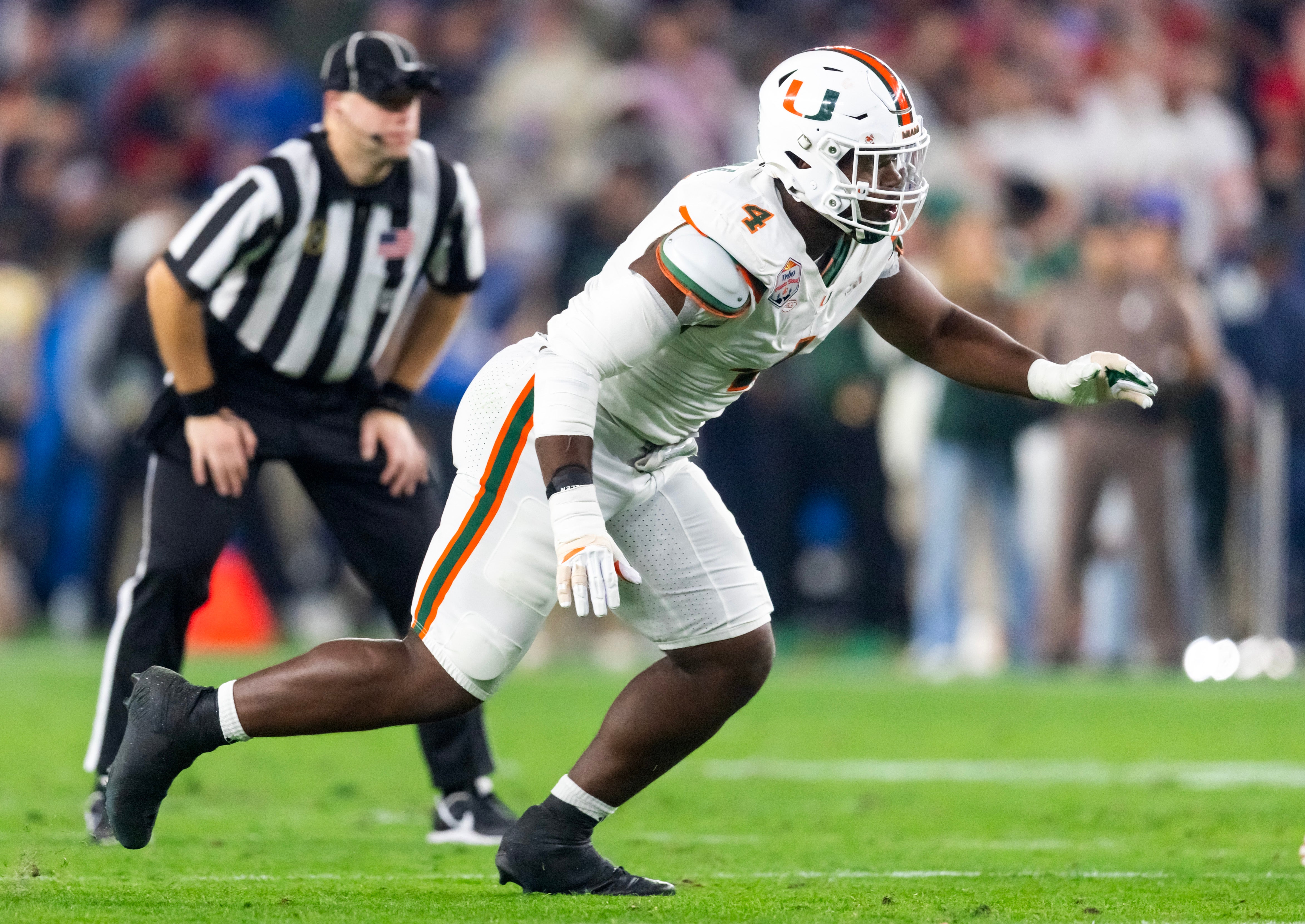
More important than a day 3 swap, the Cardinals missed an opportunity to see what they have in Tune. Now, even if he plays, it will be an extremely small sample size. The Cardinals are operating under the assumption that the future at quarterback will be with Kyler Murray or a top draft pick, presumably Caleb Williams or Drake Maye, and this is fair. But if they spent a fifth-rounder on Tune, it would be smarter to see if he can be at least a useful backup.
After eight games, the Cardinals didn't take advantage of the situation. They still don't have answers. Kyler Murray might be back, and if he's good enough to keep them out of the top 2, he will be the future starter. But Dobbs played eight games, the Cardinals lost seven of them anyway, and they don't know how good (or how bad) Clayton Tune can be in a real-game situation.
So far, new general manager Monti Ossenfort has shown good awareness of the Cardinals timeline — which included a smart trade down in the draft, accumulating future draft capital. His rationale behind acquiring Dobbs probably included giving the offense a chance and the roster a respectable evaluation.
But if he didn't think Clayton Tune could do that right away, it's hard to understand why they drafted him in the first place — and why it changed in two months, if Murray playing isn't a definitive conclusion yet. And if they think Tune can offer decent QB play, there was no reason to make the initial move.
The Arizona Cardinals have to focus on their long-term plans. It's not just the value they lost acquiring and selling Dobbs in a two-month span. The lack of a clear direction of what they want to do is more concerning, and that's something to keep an eye on for the next moves.
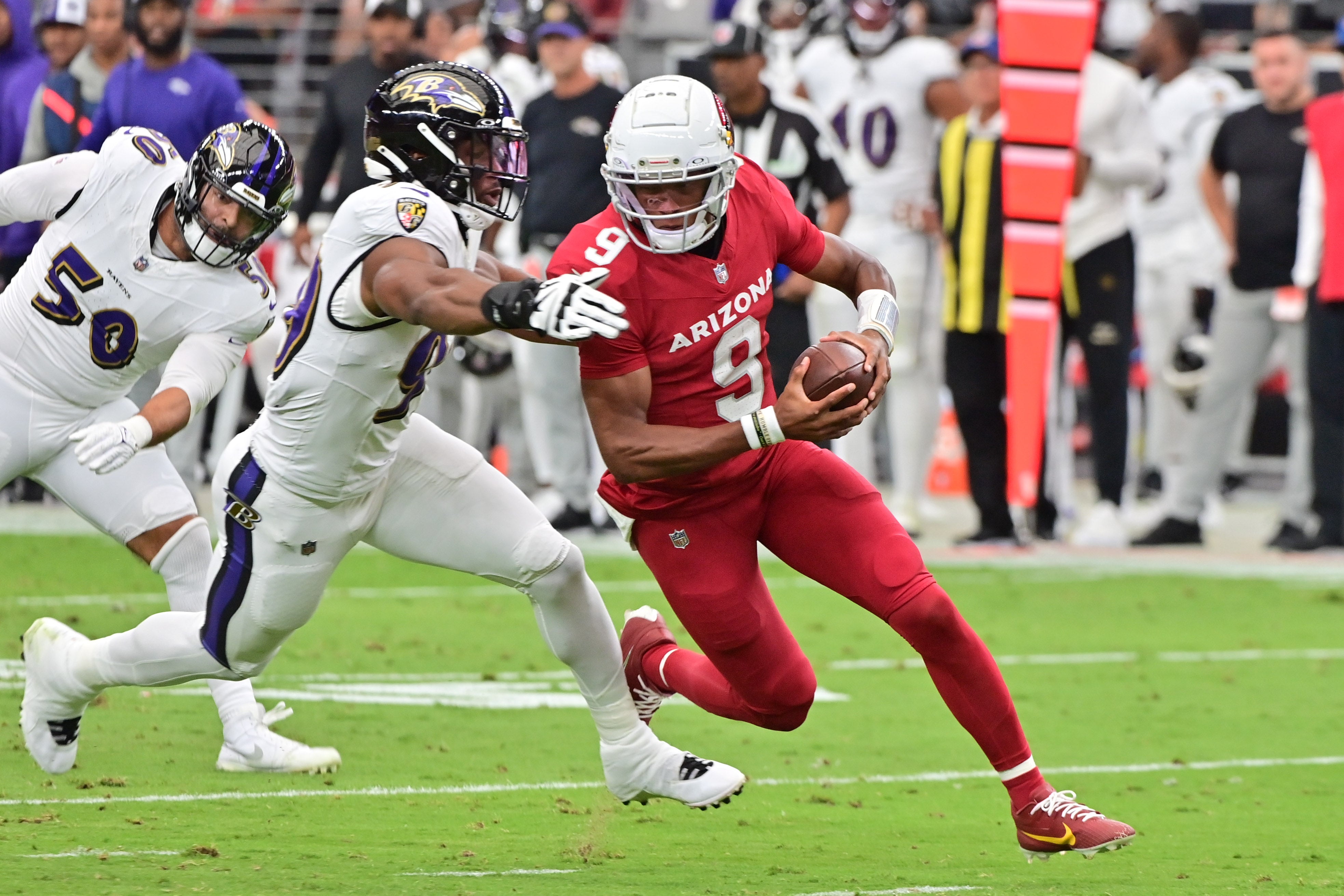
5 things to know about new Vikings QB Joshua Dobbs
Check here to learn about new Vikings QB Joshua Dobbs!