
How far can the Bills move up in the first round of the 2024 NFL Draft after trading Stefon Diggs?
The Buffalo Bills have traded Stefon Diggs and a couple of Day 3 draft picks to the Houston Texans in return for a 2025 second-rounder, so naturally, the question is what comes next?A big chunk of that answer lies in the 2024 NFL Draft. The Bills are currently picking at No. 28 in the first […]


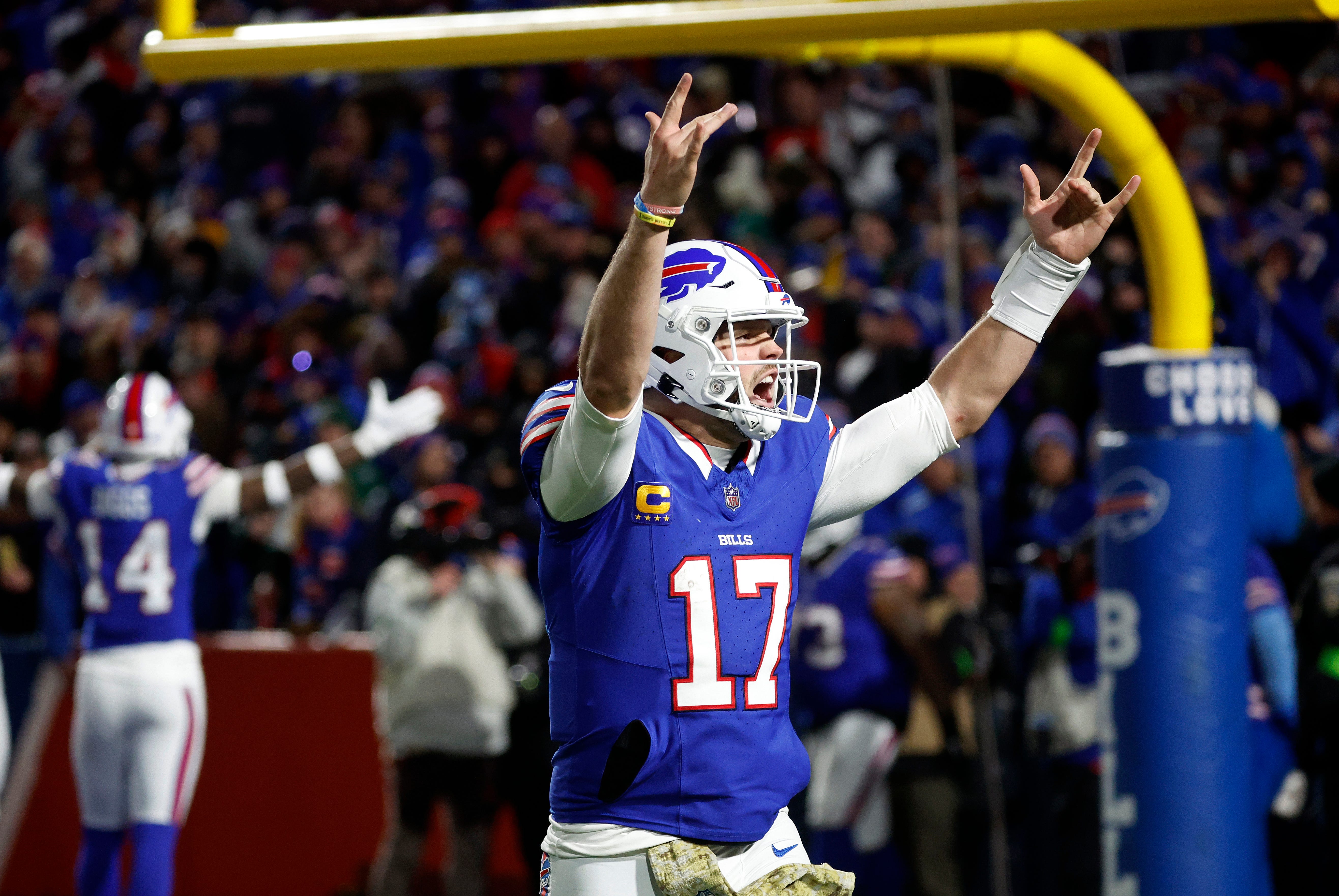
The Buffalo Bills have traded Stefon Diggs and a couple of Day 3 draft picks to the Houston Texans in return for a 2025 second-rounder, so naturally, the question is what comes next?
A big chunk of that answer lies in the 2024 NFL Draft. The Bills are currently picking at No. 28 in the first round, but now, they have an additional second-rounder in next year's draft to include in a potential trade-up.
Why would the Bills trade up? To snag one of the draft's premier receivers, of course. Josh Allen has weapons at his disposal, but none of them have the WR1 traits that Diggs possesses. Therefore, it makes sense to target a wideout in the first round. And while this is a deep enough draft class to where the Bills can still get a very good WR at 28 – it wouldn't hurt to explore trade-up scenarios.
So, just how far could the Bills move up in the first round of the draft? Let's find out.
Realistic first round draft trade scenarios since 2017
Obviously, precedent plays a major role in how teams value draft picks in trades. So, the first step toward figuring this out is examining what past trades, around pick No. 28, have looked like in the past.
Fortunately there are five really good examples we can glean from since the 2017 NFL Draft:
- Chiefs-Patriots 2022 trade: The Chiefs moved up from No. 29 to No. 21. In return, the Pats received the 29th overall pick, the 94th overall pick (third round), and the 121st overall pick (fourth round) in the 2022 NFL Draft.
- Lions-Vikings 2022 trade: The Lions traded all the way up from No. 32 to No. 12 in order to snag WR Jameson Williams. It cost Detroit the 32nd overall pick, along with the 34th overall pick (second round), and 66th overall pick (third round) in the 2022 NFL Draft, but they also received the 46th overall pick (second round) in return.
- Saints-Packers 2018 trade: The Saints traded the 27th overall pick, along with the 147th overall pick (fifth round) in the 2018 NFL Draft, and a 2019 first-rounder to the Packers in exchange for No. 14 overall.
- Packers-Seahawks 2018 trade: After trading back with the Saints, the Packers traded up from 27 to 18 in order to snag Jaire Alexander. It cost them the 76th overall pick (third round) and the 186th overall pick (sixth round) in the 2018 NFL Draft, but, along with who eventually turned out to be the NFL's highest-paid corner, received the 248th overall pick (seventh round). The reason Green Bay was able to make this move, however, was because of their own previous draft day trade back.
- Chiefs-Bills 2017 trade: Ah yes, the trade that led to Patrick Mahomes becoming a member of the Kansas City Chiefs. KC traded the 27th overall pick and the 91st overall pick (third round) in the 2017 draft, along with a 2018 first-rounder, to nab Mahomes at No. 10.
What does it all mean?
So, after adjusting for the median when using Rich Hill's draft trade value chart, it's about a +40 overpay when it comes to trading up about 13 spots in the first round, but of course, prices increase exponentially if you're trading into the top-10 or top-5.
Using Hill's chart, the Bills' first- and second-round picks in 2024 are already worth up a trade-up to No. 15. If they wanted to throw in the extra 2025 second-rounder obtained in the Diggs trade, then it's fair to value that pick at pick No. 52 overall in the second round, which is worth 109 points. The reason it's valued at No. 20 instead of the league average of 16 (which would be pick No. 48, worth 121 points), is simply because of the Josh Allen factor: The Bills should always be considered playoff contenders, at minimum, with Allen leading the way.
Therefore, the Bills could jump as high as No. 10 or 11 after adjusting for the overpay, just based of Hill's chart. There's even a chance they could pull off a Falcons-type trade for Julio Jones, but that will obviously be a lot more expensive, considering the Bills are coming up from No. 28. They do have two fourth-rounders, which would certainly help make that happen.
Now, we know one doesn't equal one in these scenarios and again, prices go up once you start climbing into the top-10, but it's clear the Bills have a chance to make a big move in the first round of this year's draft if they don't want to wait on finding the receiver to replace Stefon Diggs.
And the best part about the entire situation is this draft is littered with receiver talent, so Brandon Beane and co. won't be pressed into making a big decision. Overall, the Bills are in great shape when it comes to the big picture.


