
Bengals helped pass a controversial new rule that was based off injuries to their own players
Major shockwaves have been sent across the NFL landscape as owners unanimously pass the ban of the swivel hip-drop tackle. Unanimous approval means the Bengals, who've been notorious for not being apart of rule changes, helped pass the rule. There are clear reasons why. The NFL released a video displaying several examples of the now banned […]


Major shockwaves have been sent across the NFL landscape as owners unanimously pass the ban of the swivel hip-drop tackle.
Unanimous approval means the Bengals, who've been notorious for not being apart of rule changes, helped pass the rule. There are clear reasons why.
The NFL released a video displaying several examples of the now banned tackling method, which has invoked a plethora of negative reactions from around the league. Former Defensive Player of the Year J.J Watt even got to fear-mongering a future of flag football.
In said video, which was posted by NFL Media's Tom Pelissero, not one, but two Bengals players are shown getting hurt by what the NFL has identified as now an illegal tackle. Tight end Drew Sample suffered a torn ACL in Week 2 of the 2022 season, and wide receiver Tyler Boyd suffered a deep thigh bruise during the AFC Championship of that same season.
The injuries took both Sample and Boyd out of those respective games, and they're just two of many instances where injuries have resulted from the specific tackling method the league has now outlawed.
What wasn't shown in the video (at least from when Pelissero began recording) is Cincinnati linebacker Logan Wilson's tackle on Baltimore Ravens tight end Mark Andrews from this past season. Andrews suffered an ankle injury that took him out of commission for several weeks, and Wilson got plenty of flak (and support) for the tackle after it happened.
It's unclear if Wilson would've been flagged for the tackle had the rule been in place then, but that level of ambiguity is going to be the biggest ramification for this new legislation.
Referees are set to have a difficult time discerning in real time whether or not a swivel hip-drop tackle was actually utilized by a defensive player. Per ESPN's Kevin Seifert, there's a good chance it will most likely lead to fines and warning letters rather than in-game penalties.
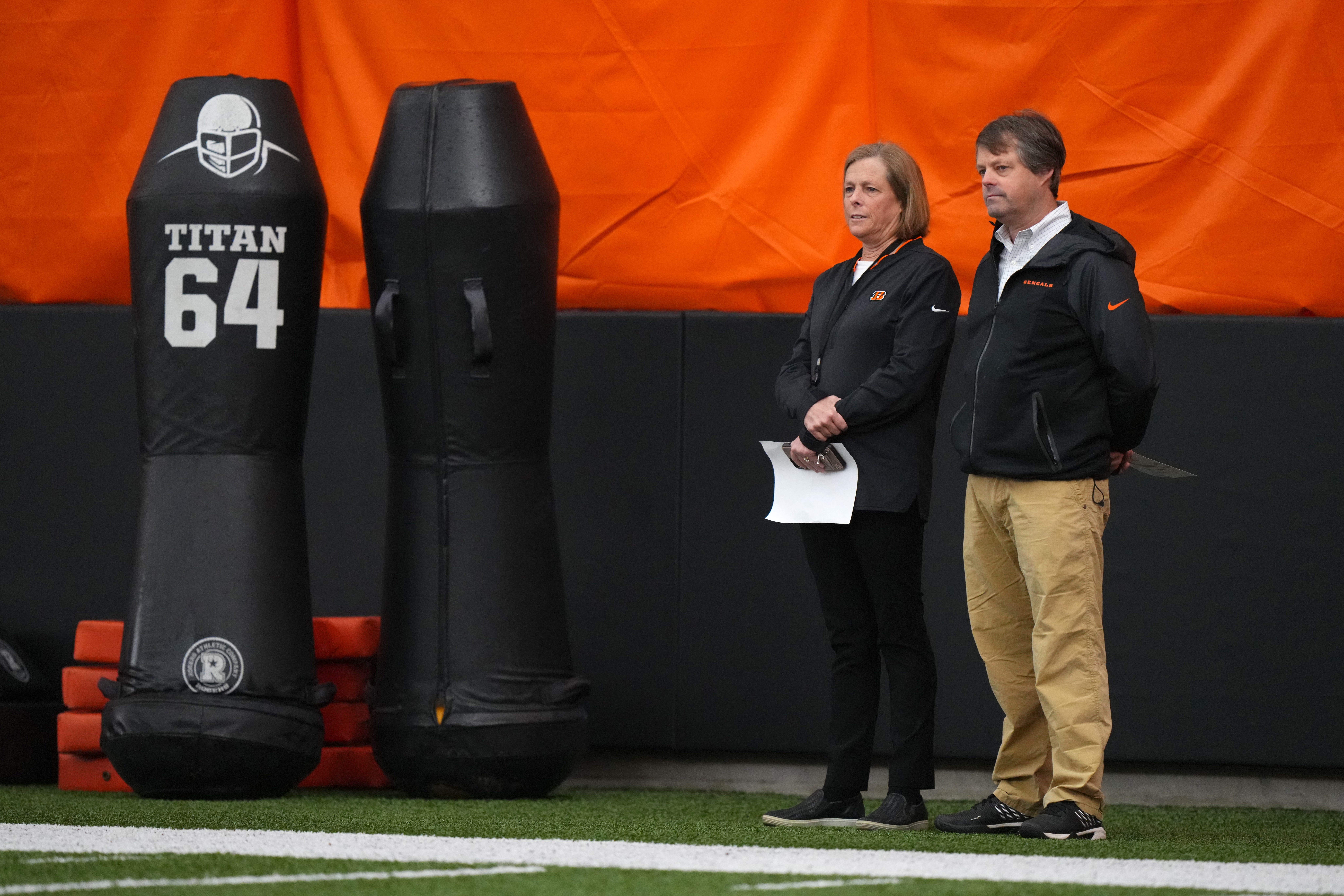
Bengals executive vice president Katie Blackburn is a member of the NFL competition committee that drafted this new rule into place, and Blackburn's father, team president Mike Brown, helped pass it into reality. They clearly had their reasons to do so.
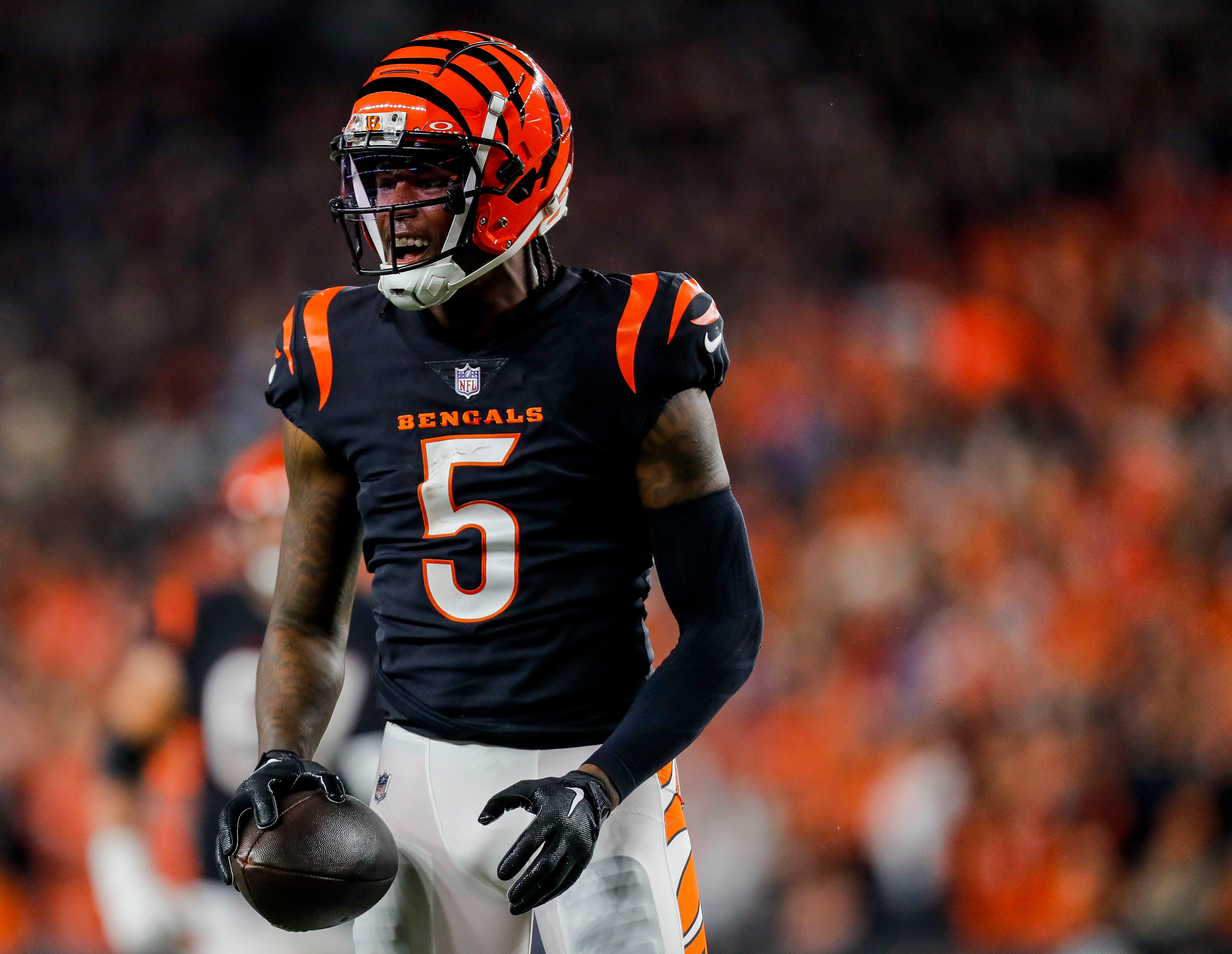
Here’s what the latest Tee Higgins trade rumors actually mean for the Cincinnati Bengals
The Bengals are reportedly opening up their ears more towards trading Higgins, but there’s still a ways to go before a deal happens.


