
2024 NFL Playoff Picture: Tiebreaker procedures for playoff seeding
It's crazy to think that the 2024 NFL season has nearly come and gone. With a Monday night doubleheader and three weeks of the regular season remaining, many fans will soon turn their attention toward the postseason with their eyes on Super Bowl LIX in New Orleans. But what happens if teams find themselves in […]


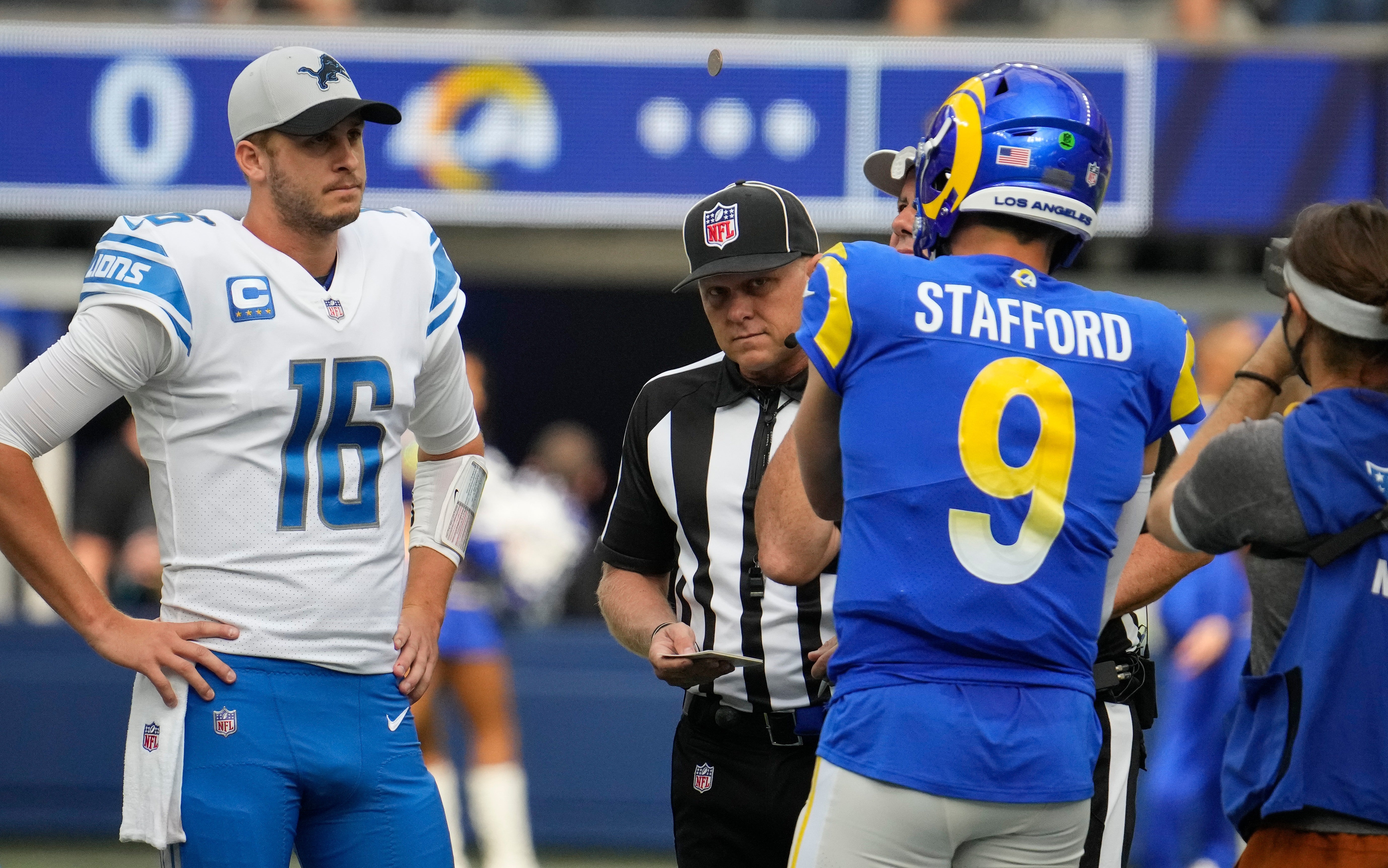
It's crazy to think that the 2024 NFL season has nearly come and gone.
With a Monday night doubleheader and three weeks of the regular season remaining, many fans will soon turn their attention toward the postseason with their eyes on Super Bowl LIX in New Orleans. But what happens if teams find themselves in a tie to make the playoffs at the end of the 2024 NFL season?
The NFL employs a complex, convoluted, and rather unique playoff tiebreaking system in the case of ties at the end of the season. This system is utilized to resolve postseason standing ties, whether among division teams, between three or more clubs, or concerning wild-card teams.
It's important to understand that regular season games that end in a tie are recorded as half a win and half a loss in all NFL tiebreaker procedures. There are 11 postseason tiebreakers for the NFL. What are they exactly and how do they work? Let's dive into it.
1. Head-to-head record (if applicable)
If two teams find themselves tied after 18 weeks of regular season play, and the two teams in question played each other during the course of that season, the winner of the regular season contest will own the tiebreaker over their opponent. Example: If the Buffalo Bills and Kansas City Chiefs finish with the same record, Buffalo would own the AFC No. 1 seed because they beat Kansas City.
If the teams didn't face each other in the regular season, the tiebreaker then goes to. . .
2. Conference win-loss record
The team with the best win-loss record within the conference (AFC and NFC, respectively) will hold the tiebreaker. Example: If the season ended today, the Detroit Lions would hold the NFC No. 1 seed over the Philadelphia Eagles because they have one conference loss (Bucs), whereas Philly has two (Bucs and Falcons).
If the teams both have the same win-loss record in the conference, the tiebreaker will move on to. . .
3. Common opponent win-loss record (minimum of four)
The team that boasts the best win-loss record among common opponents (minimum of four) will win the tiebreaker. These can be both AFC and NFC opponents. If they don't share a minimum of four common opponents OR they have a tied record in common games, the tiebreaker will then be determined by. . .
4. Strength of victory
The strength of victory is determined by combining the records of all teams that were beaten on a given schedule. The team with the better strength of victory will own the tiebreaker. If the teams have the same strength of victory, tiebreaker procedures will then shift to. . .
5. Strength of schedule
Not to be confused with the above, the strength of schedule is the combined record of all teams in a schedule regardless of win or loss. The team with the better strength of schedule will own the tiebreaker if they get to this point. If the teams have equal strength of schedule, the tiebreaker will be determined by. . .
6. Combined points scored and points allowed ranking within the conference
This one is rather self-explanatory, but the team with the greater combined points scored and points allowed within the conference would own the tiebreaker. If somehow we're at this juncture and the teams have equal combined points scored and points allowed, the tiebreaker would move on to. . .
7. Combined points scored and points allowed ranking within the NFL
If the teams are somehow tied after this tiebreaker, they'll move to another conference-based tiebreaker. . .
8. Net points conference games
The team with the best net points in conference games will earn the tiebreaker unless, of course, that also results in a tie. Then, they'll go even deeper to. . .
9. Net points in all games
It'd be wild to get this far given what we've seen in the past, but If the teams tie in net points in all games, they'll go to the penultimate tiebreaker. . .
10. Net touchdowns in all games
Touchdowns are better than field goals. It's a fundamental rule in football and one that the NFL values in tiebreaker procedures. If somehow a tie persists after this, the tiebreaker will be determined by. . .
11. A coin flip
Yes, the NFL's last-ditch effort with tiebreakers is a coin flip. It's how they determine who will get the ball to kickoff games and in overtime, so it's certainly good enough for a tiebreaker situation.
Have any of these tiebreakers ever been used before?
You might be surprised to learn that, yes, the NFL has actually used some of these tiebreaker procedures before, and they've had some major postseason ramifications. The most notable tiebreaker occurrence came in 2010, during which the Green Bay Packers, New York Giants, and Tampa Bay Buccaneers all finished 10-6 in the 2010 NFL season. The Packers lost out to the Chicago Bears for the NFC North division win, but the strength of victory tiebreaker determined they would be the team to make the playoffs over the Giants and Bucs. They'd go on to win Super Bowl XLV over the Pittsburgh Steelers.
The race worth watching as the season ticks down is the NFC No. 1 seed. It's very possible that after "Monday Night Football" between the Minnesota Vikings and Chicago Bears on Monday, Dec. 16, three teams atop the NFC will have the same record with just three weeks to go. Those three are the Detroit Lions, the Philadelphia Eagles, and the Vikings at 12-2. As I mentioned earlier, if the season ended today, the Lions would hold the conference tiebreaker over the Eagles and they own the head-to-head tiebreaker over the Vikings. They don't play Philly this season, but they do play Minnesota in Week 18 — for a game that is likely to determine both the winner of the NFC North and the No. 1 seed in the conference.
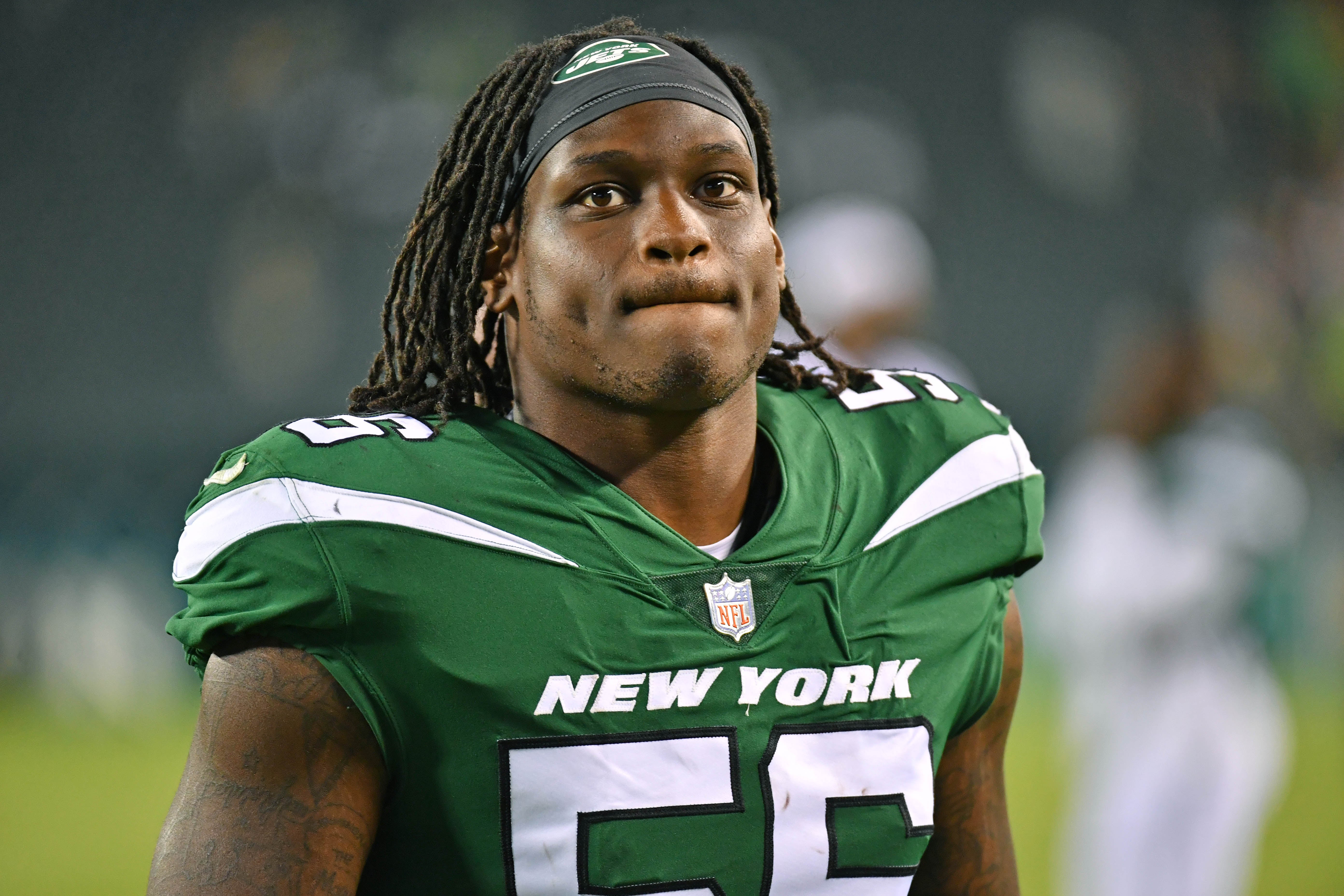
Jets lead the NFL in the last thing you want to lead the league in
2024 has been a bad year for the New York Jets. They did get a win over the Jaguars on Sunday and that's cool, but the season is over and they won't be going to the playoff and there is a major reset on the horizon. Still, they do lead the league in something. The […]


