Here’s what happened with the penalty that cost the Lions a win over the Steelers
You hate it, but it’s in the NFL rulebook. The end of the Lions’ loss to the Steelers didn’t go Detroit’s way.


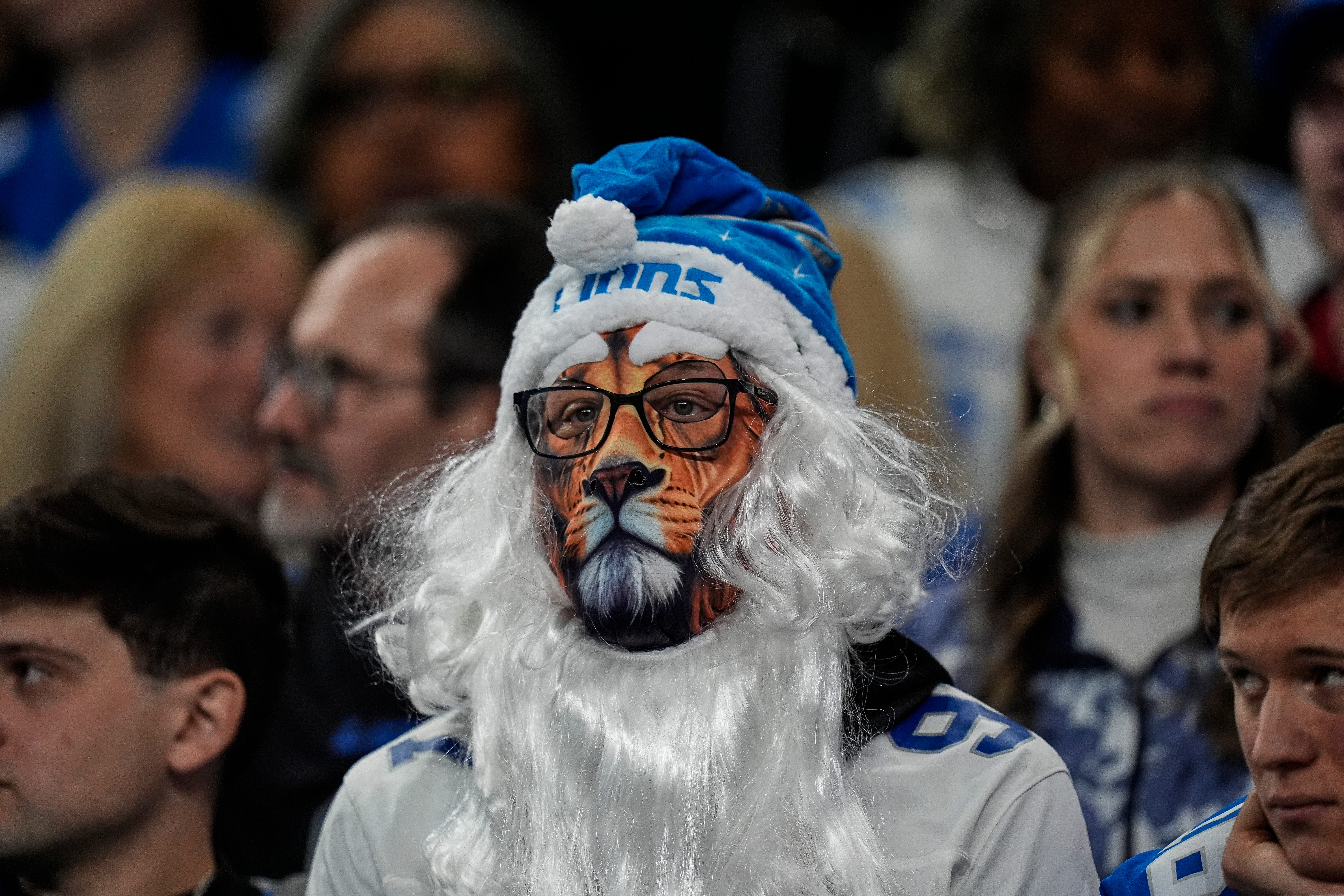
It seemed like it was going to be a magical moment for a Detroit Lions team that didn’t deserve one. The Lions got a break on a missed Chris Boswell field goal. Then they got two penalties that went their way, a couple of big plays, and great time management.
The Lions did it all right, and Goff hit Amon-Ra St. Brown in the end zone for the game-winning touchdown. Then it was called back on an Isaac TeSlaa pass-interference call. Next, the Lions scored again, and it was called back once more due to a St. Brown pass interference. Then the game ended.
The explanation for the penalty that ended the game
So normally, when a penalty like that happens in a situation like that, the Lions would get another shot from a distance. Instead, the game ended. That’s because of Rule 4, Section 8, Article 2 (b).
“If there is a foul by the offense, there shall be no extension of the period. If the foul occurs on the last play of the half, a score by the offense is not counted. However, the period may be extended for an untimed down, upon the request of the defense, if the offensive team’s foul or violation is for:
(1) illegal touching or first touching of a kick;
(2) fair catch interference;
(3) a palpably unfair act;”
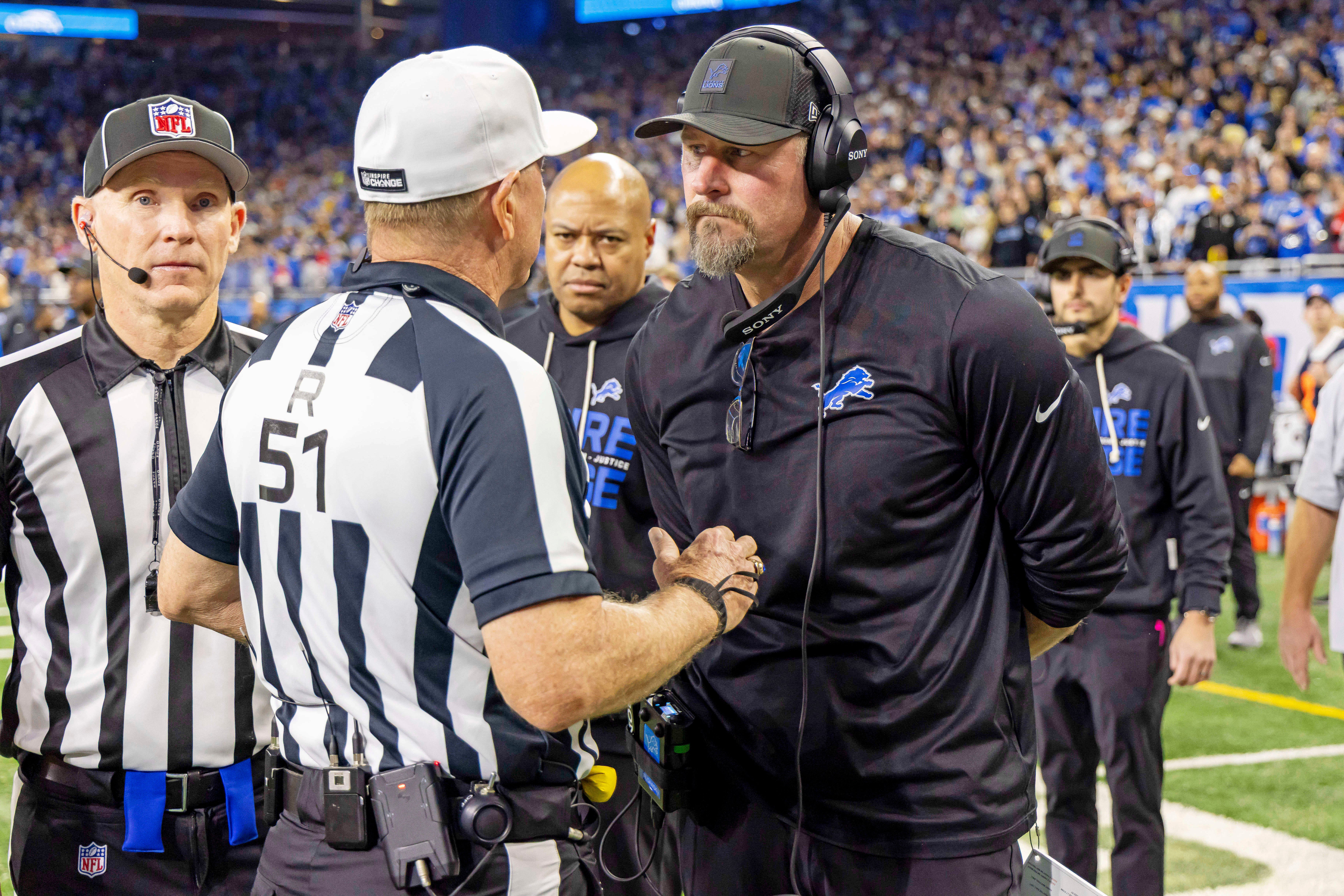
So, there you go. It’s just a bad beat for the Lions. Dan Campbell was obviously upset about the play in his post-game presser, but said he didn’t want to talk about it because it wouldn’t change anything. The Lions lost, and that’s that.
Detroit Lions News
Penalties screw the Lions again, they now have just one way left to get into the playoffs
It’s pretty much over for the Detroit Lions.