
Mike McDaniel’s Dolphins talked change this offseason but deliver déjà vu in opener, continue to fight the definition of insanity amid quest to evolve
If at first you don’t succeed…


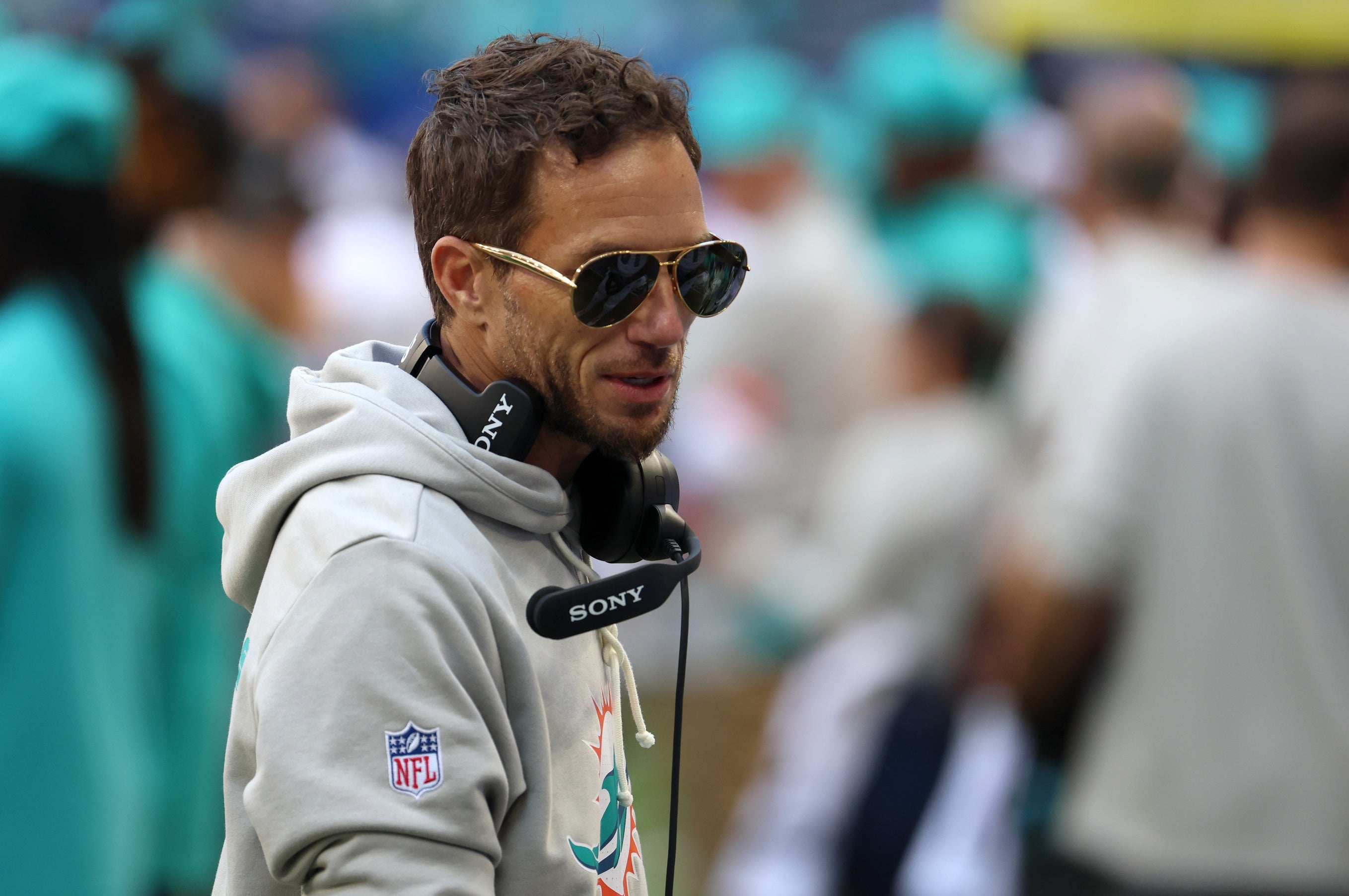
Sunday afternoon in Indianapolis probably felt eerily familiar for a lot of Miami Dolphins fans. It should. After spending the offseason insisting that Miami had changed for the better on all fronts, the actual play on the field told a very different story for the Dolphins. Sunday afternoon felt like a whole lot more of the same things that have plagued Miami as of late.
Which makes the outlook of the next four months particularly daunting. The Dolphins stumbled through a 33-8 loss to the Indianapolis Colts that saw Miami concede 30 consecutive points to start the game. The defense is one thing — the Colts took advantage of early down spacing to generate wins on early downs and neutralize Miami’s pass rush while being gifted some short fields.
The offense? Head coach Mike McDaniel‘s area of expertise? This is where the alarm bells should be setting off major concern.
Mike McDaniel’s Dolphins Week 1 struggles on offense should trigger major concern
There was a lot of talk this offseason about the culture in Miami. But McDaniel’s offense had become stale in 2024 with or without Tua Tagovailoa at the helm. It went from stale to sour in Week 1 against the Colts — but it wasn’t that things went awry. It was how things went awry.
There’s a saying that the definition of insanity is doing the same thing over and over and expecting different results. McDaniel, the offensive players, and assistant coaches talked about wanting to change the “tonality” of the football team, diversity the run game menu, and improve their ownership of the execution of the offense this offseason — only to come out with a game plan and similar blind spots that this team has grappled with for years.
The Dolphins have battled the play clock amid their complex pre-snap orchestration for years under McDaniel. It was an issue again in Week 1, with obvious matchup issues not addressed because Tagovailoa was too busy playing air traffic controller with his skill players. The successes in the run game have often been considered to be abandoned much too early in years past. Miami’s successful chunk runs on early downs in the first half against the Colts were often followed by passes (and negative plays).
It’s been a major source of frustration that Miami has kept players on the field for the threat of what they could do to opponents instead of embracing putting players in optimized situations. That includes short-yardage run attempts and pass protection assignments for De’Von Achane and charging smaller, speedier wide receivers with trying to block defensive linemen at times.
All of it was present in Week 1 again against the Colts. The McDaniel era is entering into Year 4 and the same basic principles that have dogged this unit for the first three seasons were back en masse. The play clock and alignment issues were at least acceptable in 2024 when Snoop Huntley, who had been with the team for all of two weeks, was trying to run it. Now? Miami had the entire offseason to prepare for the game and still managed to stumble through it with their conductor at the helm.
McDaniel’s first move in the post-game presser was to suggest that the players didn’t execute and weren’t ready to play. But we’re far past the point of a glitch here. McDaniel’s offense, once lauded for it’s manipulation of defenses before the snap, has become unsustainably complex trying to stay ahead of the adjustments by opposing defenses. Instead of getting better players (and the Dolphins have, in some cases!) and leaning into their talent to win by simply having talent, Miami’s offense appeared to put the onus on the layers of the play-calling to solve the riddle, asking the conductor to pull more and more strings. It was like that in 2024, as well — and the players appear to be struggling to keep up. The post-snap concepts are what they are, it’s the synchronization of everything before that point that’s being taxed and charged with providing answers.
The youth movement of 2025 certainly should have created an expectation of growing pains. But those pains need to be from the players, not the head coach and offensive play caller who has stacked more assistants onto his staff this past offseason to try to streamline the process. The 2025 season’s success will be defined by the player development and the coaching growth. The former is yet to be determined. But the latter continued to bang it’s head against the wall on Sunday while expecting the wall to move.

Miami Dolphins News
Miami Dolphins defense just allowed a fringe starting quarterback to accomplish a shameful feat not seen in almost half a century
A historically bad day for the Dolphins’ defense.


