
Five Packers bounce-back candidates with a wide range of outcomes who could swing the direction of the 2025 season
Last season left a sour taste in the mouth of the Green Bay Packers. Despite winning two more games than the team had done in 2023, a regression down the stretch and the one-and-done participation in the playoffs made it feel suboptimal, especially because several players underperformed based on expectations—which included some of the top […]


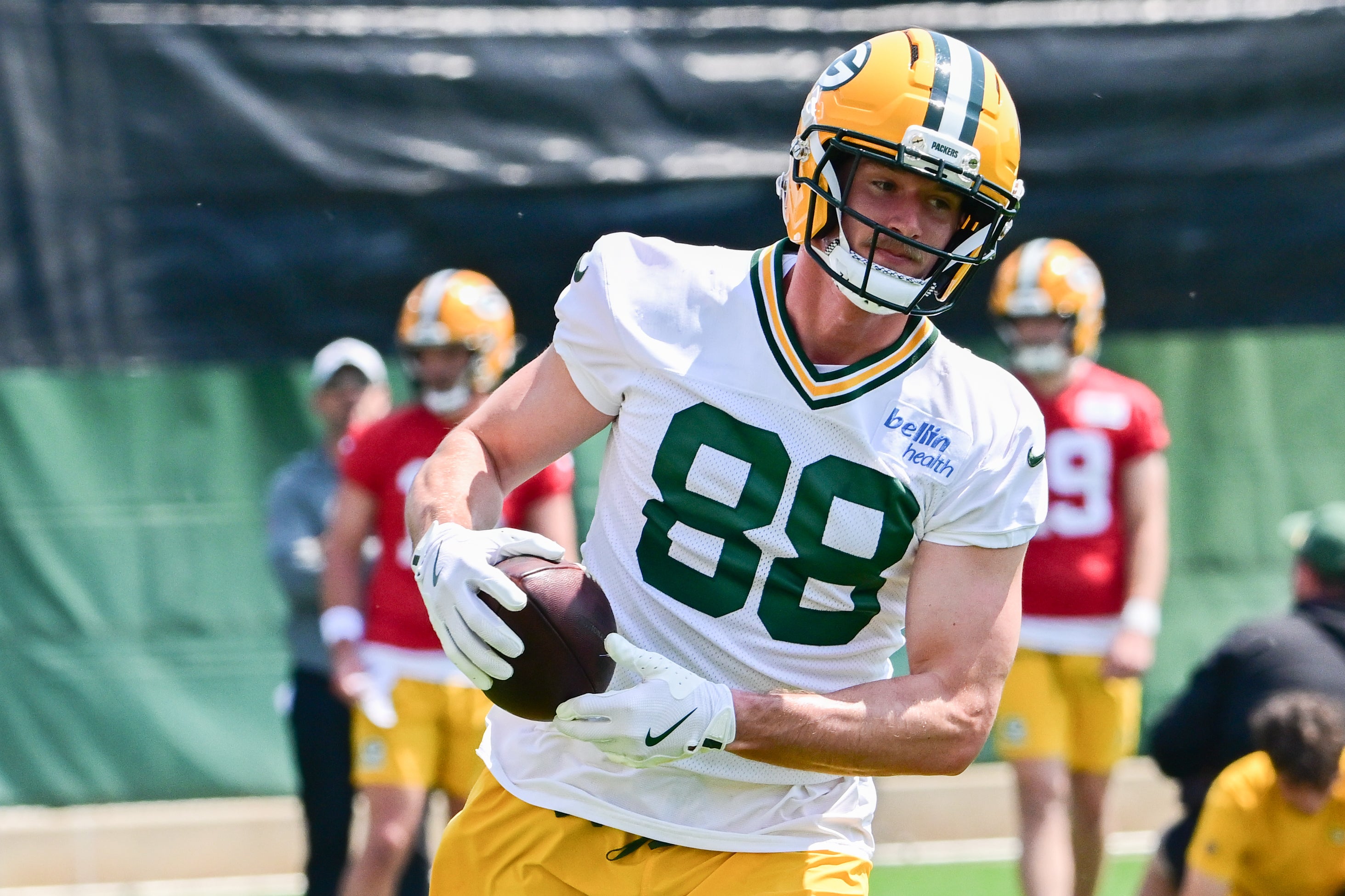
Last season left a sour taste in the mouth of the Green Bay Packers. Despite winning two more games than the team had done in 2023, a regression down the stretch and the one-and-done participation in the playoffs made it feel suboptimal, especially because several players underperformed based on expectations—which included some of the top pieces of the roster.
Now, them getting back to the old form is a big part of how the Packers can improve in 2025. So, let’s discuss five bounce-back candidates—and this exercise doesn’t include quarterback Jordan Love, because his so-called individual regression in 2024 was more related to injuries and wide receiver issues.
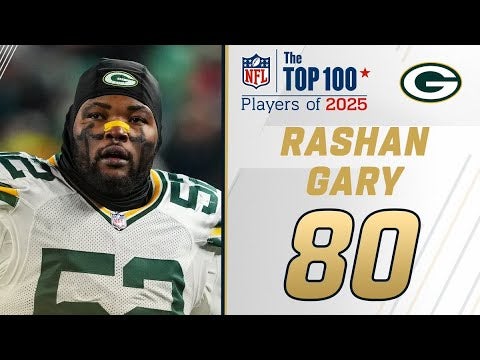
Rashan Gary
Gary was never a big sack-numbers player, as he hasn’t had a double-digit sack season in his NFL career so far. However, the pressures were always there—81 in 2021, 60 in 2023, his two full seasons as a starter. Last year, though, even the pressures were down, with 47 total. He had 7.5 sacks, down from 9.0 in 2023. If you want to consider PFF grades too, it went down from 80.0 to 73.8, which seems like a fair representation of his performance.
The edge defender had a solid presence in the run game and was getting used to playing in a different scheme, going from a 3/4 base under Joe Barry to a 4/3 base under Jeff Hafley. Down the stretch, Gary did play better, though, getting 27 of his 47 pressures from Week 11 on. That shows a path for improvement in Year 2 within the new system, and his production going back to normal would be huge for a defense that lacked high-end performance without sending extra men in the pass rush.
Kenny Clark
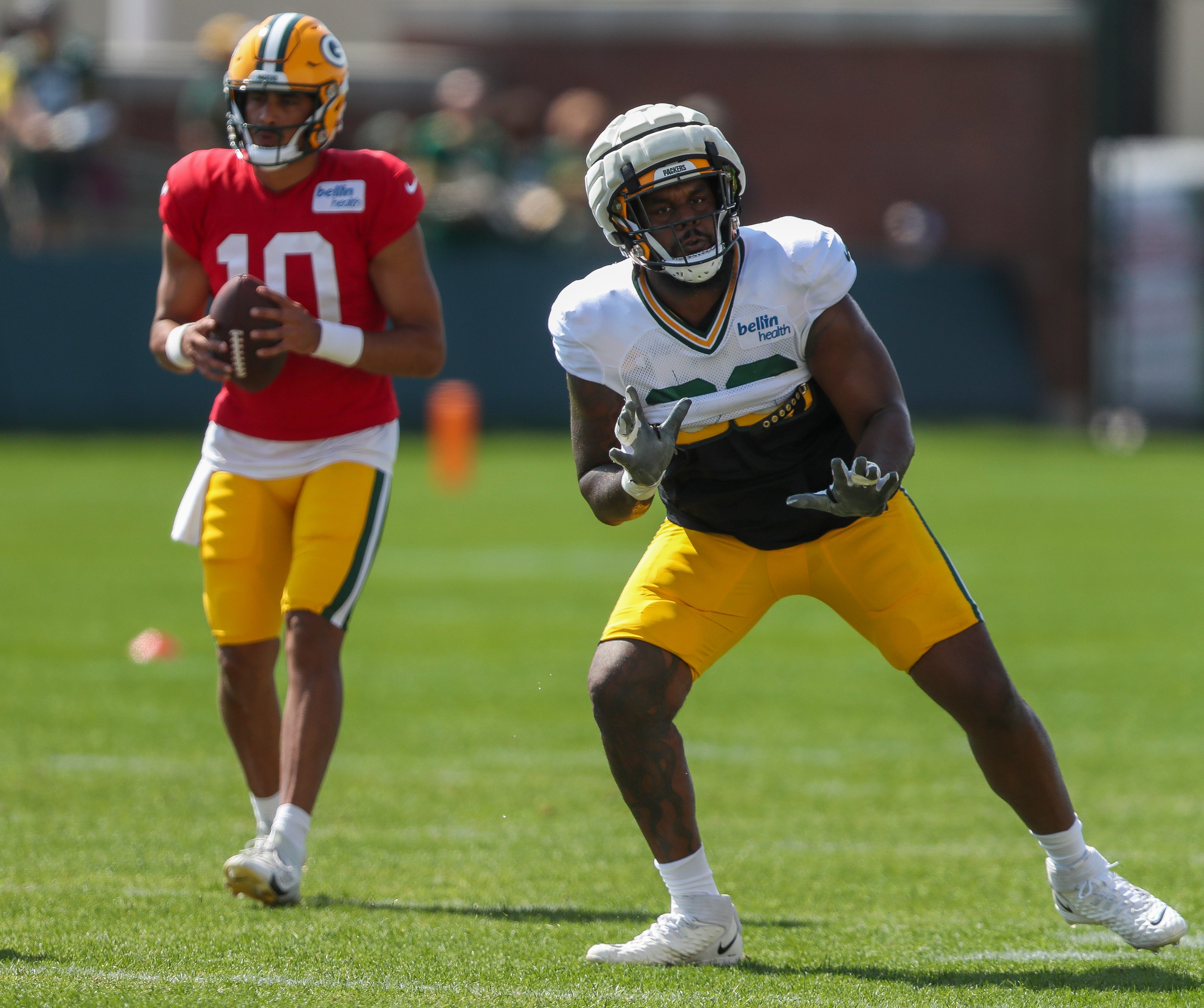
Last offseason, the Packers gave a big vote of confidence in Clark, giving him a rare third contract with the franchise. So far, the results haven’t been great. In his first year after the deal was done, the interior defensive lineman had only 33 pressures, down from 61 in 2023. It was his worst number since 2020. Clark isn’t the run defender he was early in his career either.
In 2025, though, he needs to be the all-around defensive tackle he was as a younger player. The Packers allowed TJ Slaton to leave in free agency, and the other two best defensive linemen are designated interior rushers in Devonte Wyatt and Karl Brooks. Green Bay depends on Clark to stop the run through the middle, without losing the pass rush ability that is so important in Hafley’s scheme.
Elgton Jenkins
It wasn’t close to a bad season for Jenkins, but the interior offensive lineman hasn’t been as consistent over the past two years as he was earlier in his NFL career. Let’s exclude 2021 because Jenkins got hurt. But combining 2020 and 2022, he allowed 24 pressures. Over the past two years, he’s allowed 39. It’s not bad by any means, but some sort of regression.
Now, Jenkins will make a major career move, going from left guard to center—his primary college position. Gladly for the Packers, his pass block win rate was higher at center (96.6) than at guard (92.4) in 2024, so the expectation is that Jenkins will play at a higher level—and be a huge upgrade over Josh Myers.
Dontayvion Wicks
The 2024 season was the definition of regression for Wicks. After a solid rookie season, he had many more chances last year, with more targets and the same number of receptions. But there were just too many mistakes. His drop rate went from 4.9% to an insanely high 17.0%, and his yards per route run dropped from 2.04 to 1.42, making his total yards go down from 581 to 415.
Now, this will be a key season for Wicks. If he can limit mistakes, his ability to create separation will stand out again. If not, the good side of his game won’t really matter.
The range of outcomes for the third-year receiver is huge, and it goes from basically losing most of his playing time to setting himself up for a nice contract extension next offseason.
Luke Musgrave
Even playing only 11 games as a rookie, Musgrave was on the field for 42% of the snaps (66% of the snaps in the games he played). The tight end was on pace to break franchise records at his position as a first-year player, until a kidney injury made him miss six games—and opened the door for Tucker Kraft to become the starter.
Last season, the differences between the two got more evident. Musgrave played only 13% of the offensive snaps (31% in the games he played), registering only 45 receiving yards in the entire season. The yards per route run went down from 1.28 to 0.66, the average depth of target dropped from 7.4 to 7.0, and the passer rating when targeted went from 105.0 to 47.9.
For a player known for his receiving skills, Musgrave has to be better. It will be hard for him to get the starting job back, because Kraft is more complete and just a better fit for the offense. But a healthy and productive version of Musgrave brings an important element of speed threat over the middle that the offense otherwise doesn’t have. After a nightmare-ish year, the former second-round pick needs to get back to his initial NFL days.
Jordan Love earns praise from Packers left tackle in a way that validates what ball-knower fans have said for quite some time
Rasheed Walker has an important year in front of him


