
Packers CEO confirms suspicion that reveals a concerning truth about the franchise’s future direction
Ed Policy knows the challenges ahead.


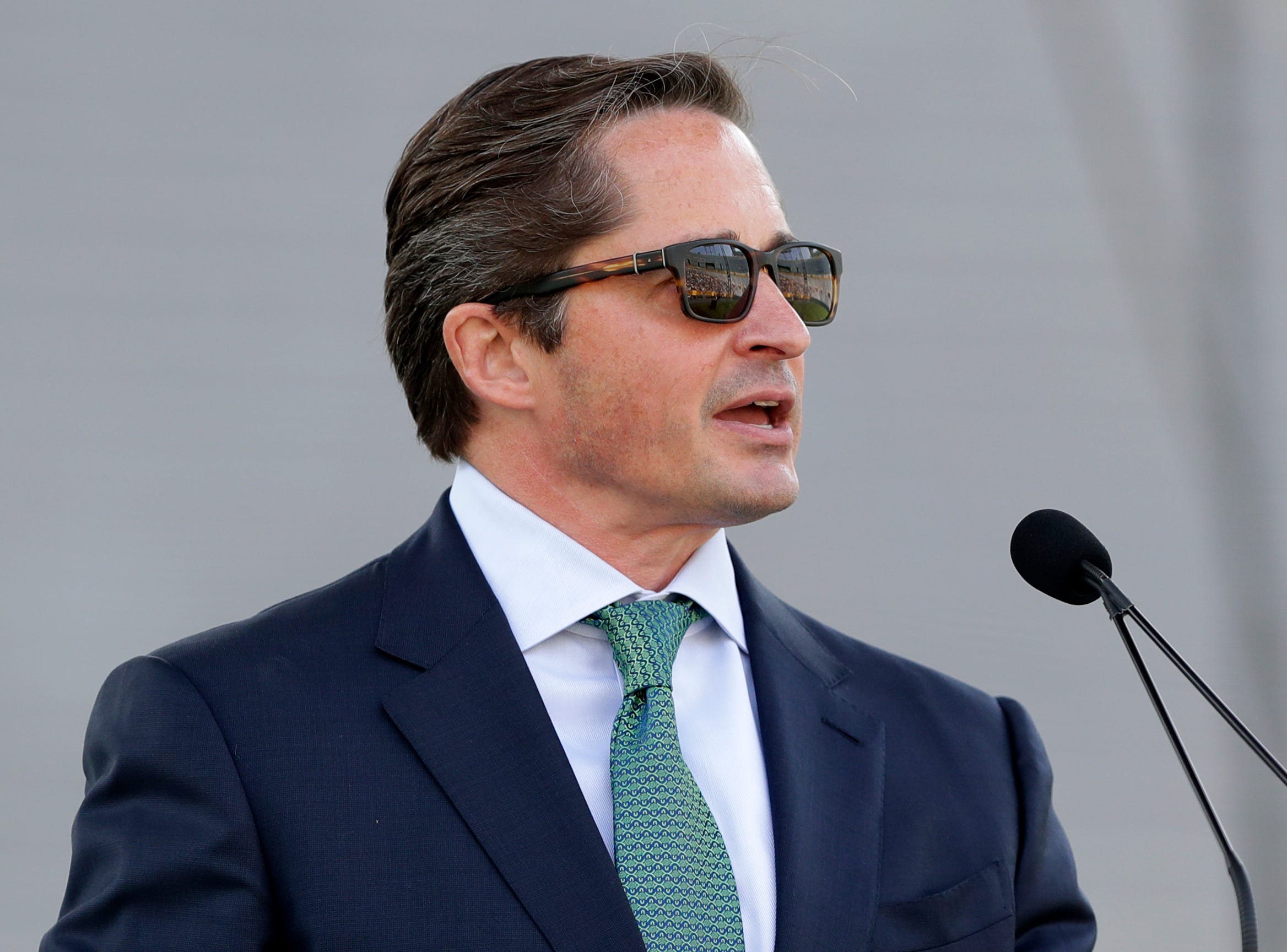
The NFL business is thriving, and the Green Bay Packers is as stable of a franchise as there could possibly be in the league. But the truth is that money is taking the future of the game to a new direction. With the ability for regular franchises to sell shares of their teams to private-equity funds, owners are able to capitalize and reinvest without losing control over the operation.
And this is an area where the Packers, a publicly-owned organization, can get behind.
“If you think about, any other team, they’ve got deep-pocketed owners, most of them are worth significantly more than that, and they could sell less than 10% of their team, give up no controlling interest, and raise a heck of a lot more than that,” Packers CEO and president Ed Policy told the Sports Business Journal.
Concessions in order to exist
Policy took over to replace Mark Murphy last July, and his top priority is to keep the Packers in Green Bay. This may sound simplistic, but keeping a competitive franchise in this unique environment has its challenges.
“We’re soon to be the only stadium without naming rights,” Policy added. “That’s not a threshold we’re looking to cross any time soon, but we might be a little more aggressive with some of the other entitlement inventory we just hadn’t taken advantage of in the past, including things like training facility entitlements and the Titletown campus.”
In spite of all these hurdles, the Packers are still a competitive organization. The team extended head coach Matt LaFleur to a top contract this offseason, while quarterback Jordan Love and edge defender Micah Parsons are among the highest-paid players in the league.
“Finance and economics really don’t play into our football decision-making right now, and it’s my job to ensure that it never does,” Policy stressed. “Given the pace that the expenses have accelerated over the past few years, if we find ourselves falling behind, it’s going to be really hard to catch up. So, we have to keep ourselves in a position where we’re not falling behind.”
Obviously, the salary cap is a big part of that process. With that, teams can make balanced efforts to acquire the best players.
“Thank goodness for the salary cap, because without the salary cap there would be no Green Bay Packers, and I would argue there probably wouldn’t be a number of existing, very successful NFL teams that are around now,” Policy mentioned. “But it only caps one thing, and that’s player salaries.”
For an organization like the Packers, it’s hard to maintain high investments in areas like coaching staff and overall infrastructure. But that’s a priority for a non-profit company, and winning Super Bowls will always be the main goal in Title Town.
Green Bay Packers News
New Packers acquisition spills the beans on what truly makes playing in Green Bay so appealing to NFL players
Green Bay traded for Zaire Franklin.


