
Packers coaching staff adjust weekly routine to start games hotter
Four consecutive losses are a hard pill to swallow, especially when the offense doesn't score more than 20 points since week 2. And while the playoffs are a pipe dream for the Green Bay Packers at this point, the coaching staff still has to find ways for the team to get better this season — […]


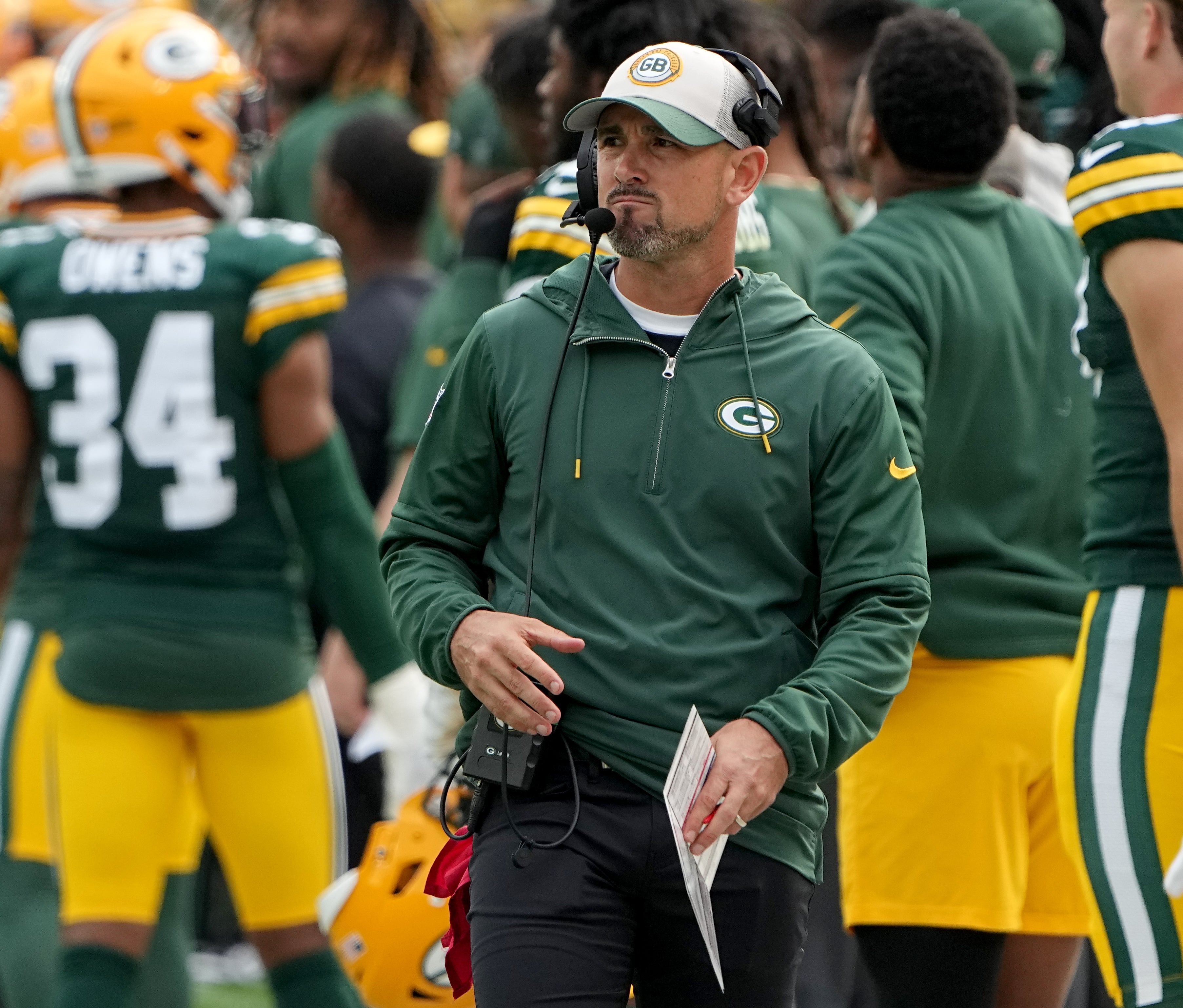
Four consecutive losses are a hard pill to swallow, especially when the offense doesn't score more than 20 points since week 2. And while the playoffs are a pipe dream for the Green Bay Packers at this point, the coaching staff still has to find ways for the team to get better this season — both for the development of the young players, but also for the sake of keeping jobs beyond 2023.
In November, there aren't big, impactful free agents still available, and the trade deadline has passed without acquiring any players — the only move was sending veteran cornerback Rasul Douglas to the Buffalo Bills. So Matt LaFleur decided to make tweaks to the practice schedule, which included activities with more contact and competitiveness.
"That's been a good change just to increase the intensity level," LaFleur said on Thursday. "When guys are going out there executing a call, there's no cards, you're not trying to doctor up looks. It's just football."
And it's not just the intensity level that will be impacted. LaFleur implemented more unscripted periods, so the young players can have more experience with real game situations. That's particularly important for such a young group, and it's an understanding from the coaching staff that this version of the team has to be coached differently than the more experienced rosters of the past.
For the offense, specifically, coordinator Adam Stenavich said the adaptations will include changes to the meetings format. There will be more individual meetings to ensure the young guys are mentally ready and aligned with the weekly preparation, and more group meetings to increase the cohesiveness of the unit.
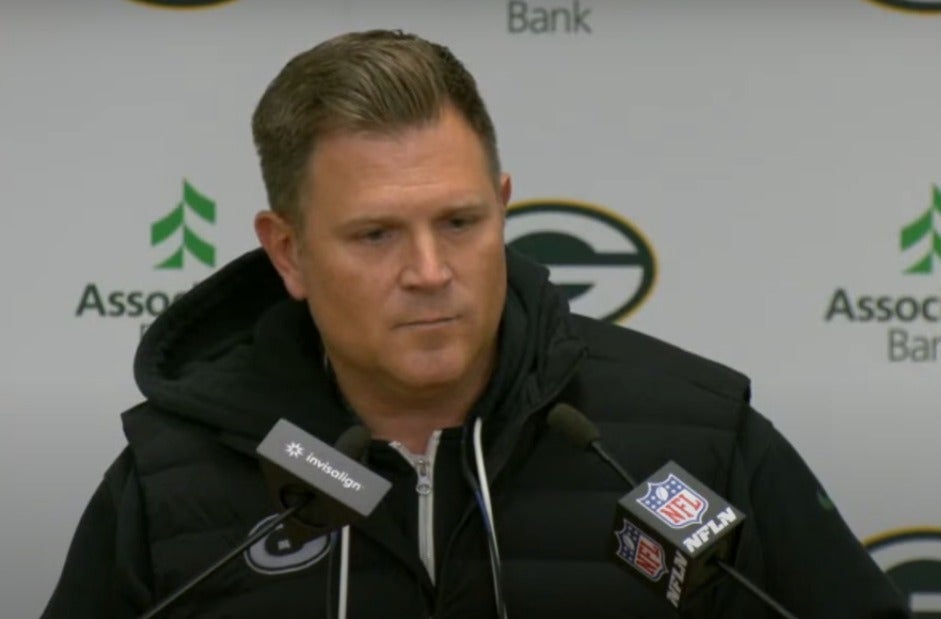
"When the group as a whole is not functioning the way it should function, it's hard to evaluate anybody," general manager Brian Gutekunst said on Wednesday. "At the same time, it's on us to get that right so we can move forward and evaluate the guys we have in that room. When we're not clicking, it's tough to evaluate anything."
The Packers management has stressed over the last couple of weeks that youth is not an excuse anymore after almost half a season. But internally, they know the approach has to be different, and that's why they are making changes.
In promoting competitiveness, the Packers staff hopes they can start games faster. First-half performances have been a huge issue for the team this season, including in the two games they won, against the Chicago Bears and New Orleans Saints.
In the first two quarters, the offense is 30th in EPA/play and 29th in success rate. In the last two quarters throughout the entire season, the Packers are 2nd in EPA/play and 4th in success rate. If the offense can be average to start games and keep the same production after halftime, there will be a huge improvement in performance and confidence.
Soft-tissue injuries
As part of a thorough evaluation of their own process, the Packers are also concerned with the high rate of soft-tissue injuries. That included some of their best players early on, such as running back Aaron Jones and wide receiver Christian Watson, and also cornerback Eric Stokes after just four plays.
"We've got some ideas," said Matt LaFleur, who mentioned a deep dive on the topic. "Not going to share them yet."
The Packers are as healthy as they have been this season. The 52 players on the active roster have practiced this week, even though Aaron Jones has made the activities with a red non-contact jersey.
Packers GM Brian Gutekunst discusses Jordan Love’s future
Executive said 10-game stretch is decisive


