
Packers defensive mindset holds the entire team back
What the Green Bay Packers defense showed on Monday night was nothing new. Under defensive coordinator Joe Barry, the unit has a long track record of playing well against top quarterbacks, but imploding against bad passers for a complete inability to adjust the plan. The Packers game-planned for Tommy DeVito as they did for Patrick […]


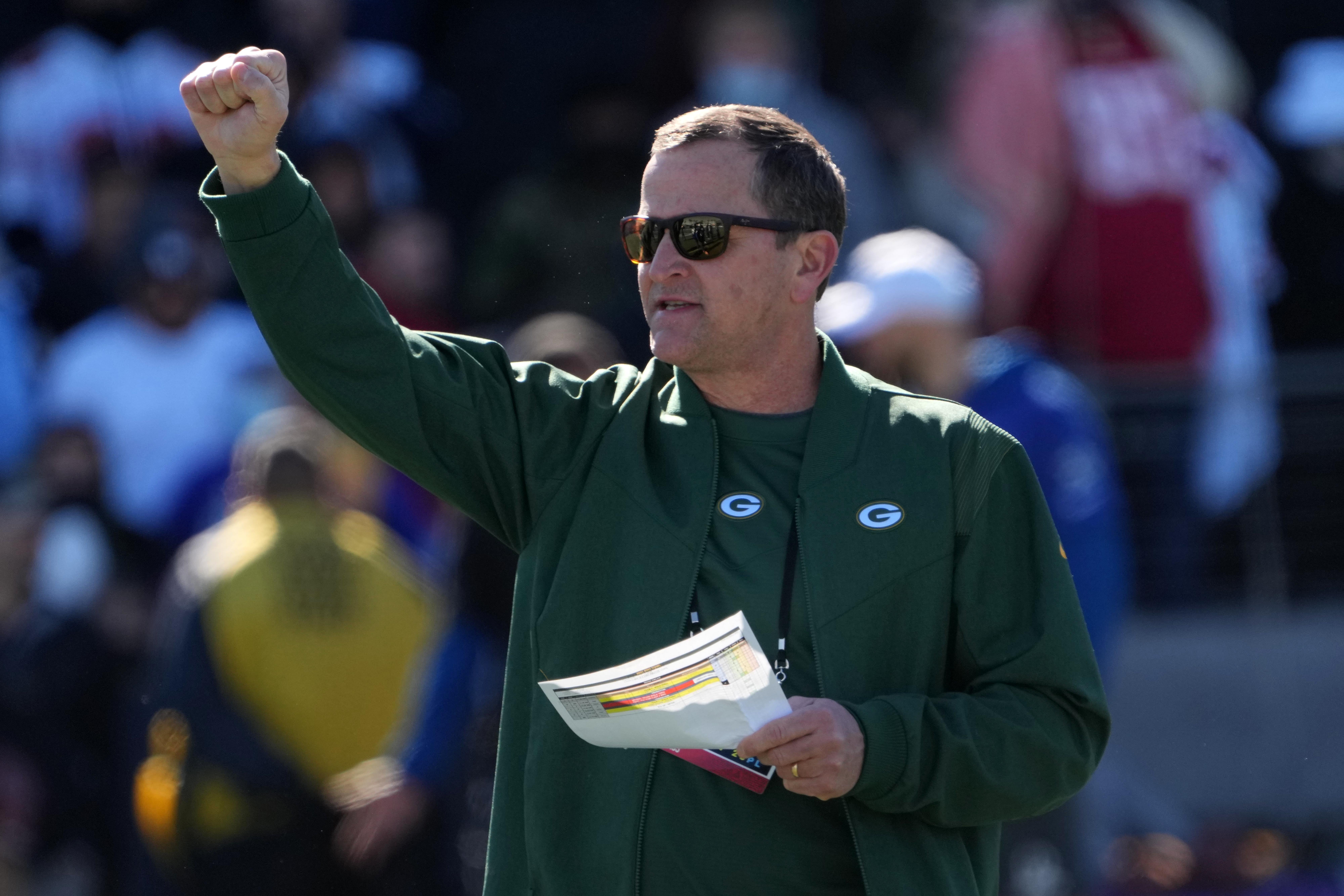
What the Green Bay Packers defense showed on Monday night was nothing new. Under defensive coordinator Joe Barry, the unit has a long track record of playing well against top quarterbacks, but imploding against bad passers for a complete inability to adjust the plan.
The Packers game-planned for Tommy DeVito as they did for Patrick Mahomes, and DeVito played as if he was a top quarterback — as a passer, but mostly as a scrambler.
The Giants undrafted rookie was the first tracked starting quarterback to complete 80% of his passes, rush for 70+ yards, with no turnovers and no sacks in an NFL game. Even against what is one of the worst pass-protecting offensive lines in football, the Packers front was dominated, and the secondary was exposed.
The Packers have had second-half leads against the Atlanta Falcons, Las Vegas Raiders, Denver Broncos, Pittsburgh Steelers, and New York Giants. They lost all of these five games. It's easy to complain about the offensive struggles, but the team has won only when the offense plays well. Even with so much investment, draft capital and money-wise, the defense can't take games over.
The final drive against the Giants was a big example.
"We obviously gave up too many chunk plays, lost our leverage twice," Packers head coach Matt LaFleur said after the game. "You cannot do that in that critical situation. We were off, way off, on one of the throws where they get an easy hitch and gain like 10 yards. It was just bad ball."
Weak approach
More concerning than that is the approach, the mindset with which the defense is coached. Last week, Joe Barry said the most important stat is the scoreboard. While this is some sort of coach speak, it's something beyond Barry's control.
"To me, the biggest statistic is the freaking scoreboard when the clock hits zero," Barry mentioned. "The situational statistics are huge, redzone, third down. Everyone talks, you gotta stop the run, you gotta win on third down, you gotta win in the redzone. But then you can say two-minute. I think statistics are obviously very important, how we are measured, but the number one stat in football is, at the end of the game, they have one less point than you. That's the most important."
Against the Giants, it was evident that the opposing offense would try to run the ball and operate with a quick passing game to avoid or at least limit the offensive line struggles and the quarterback limitations. But the Packers, for the most part, played defense how they always play. Deep safeties, soft zone, a defensive line prioritizing penetration over gap integrity. It's a great plan to beat the Chiefs, but there's no sense to keep the same ideas against a completely different offense.
What they were supposed to be
There have been frequent mentions of the offensive struggles and how the defense is able to put them in position to win games. But the offense is 10th in DVOA, a metric that takes the quality of the opposition into consideration, and the defense is 28th.
And that's the unit that has most of the first-round picks, most of the free agent signings, most of the experience.
The offense is supposed to grow, and for the most part they have done that this year, even if it’s not a linear progression. The defense was supposed to give them time to do so, but the main defensive philosophy seems to be relying on the offense to win games.
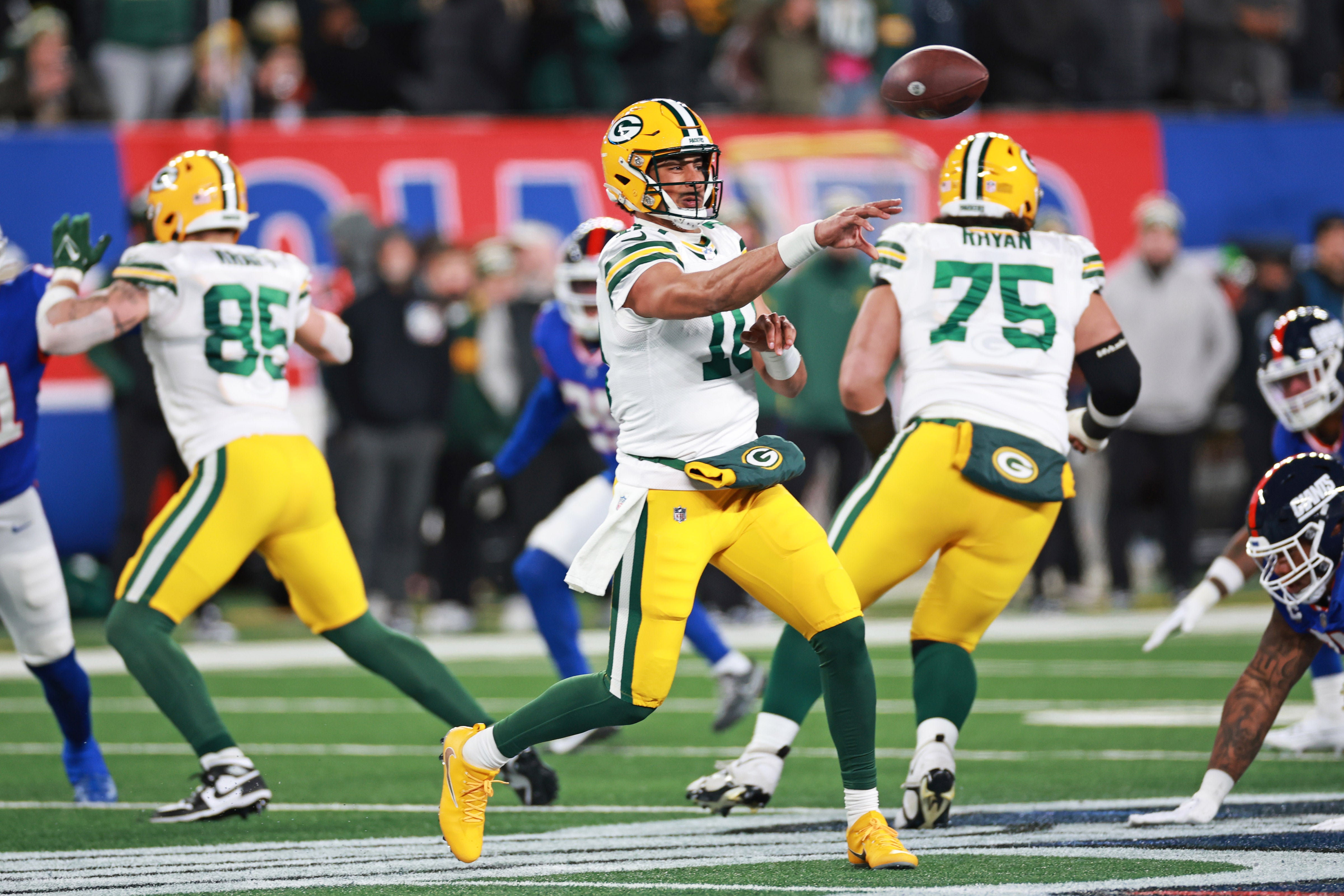
Packers playoff aspirations dwindle after loss on Monday
Green Bay has a 50% chance of making the postseason


