
Packers GM Brian Gutekunst offers clarity on traits vs production debate that shapes the team's entire draft approach
It's not necessarily news where the Green Bay Packers land on the traits vs production conversation that has dominated parts of the draft process. Just since Brian Gutekunst took over as a general manager, there have been two obvious comparisons.In 2019, the team took Rashan Gary over Brian Burns—and less notably but still impactfully, third-round […]


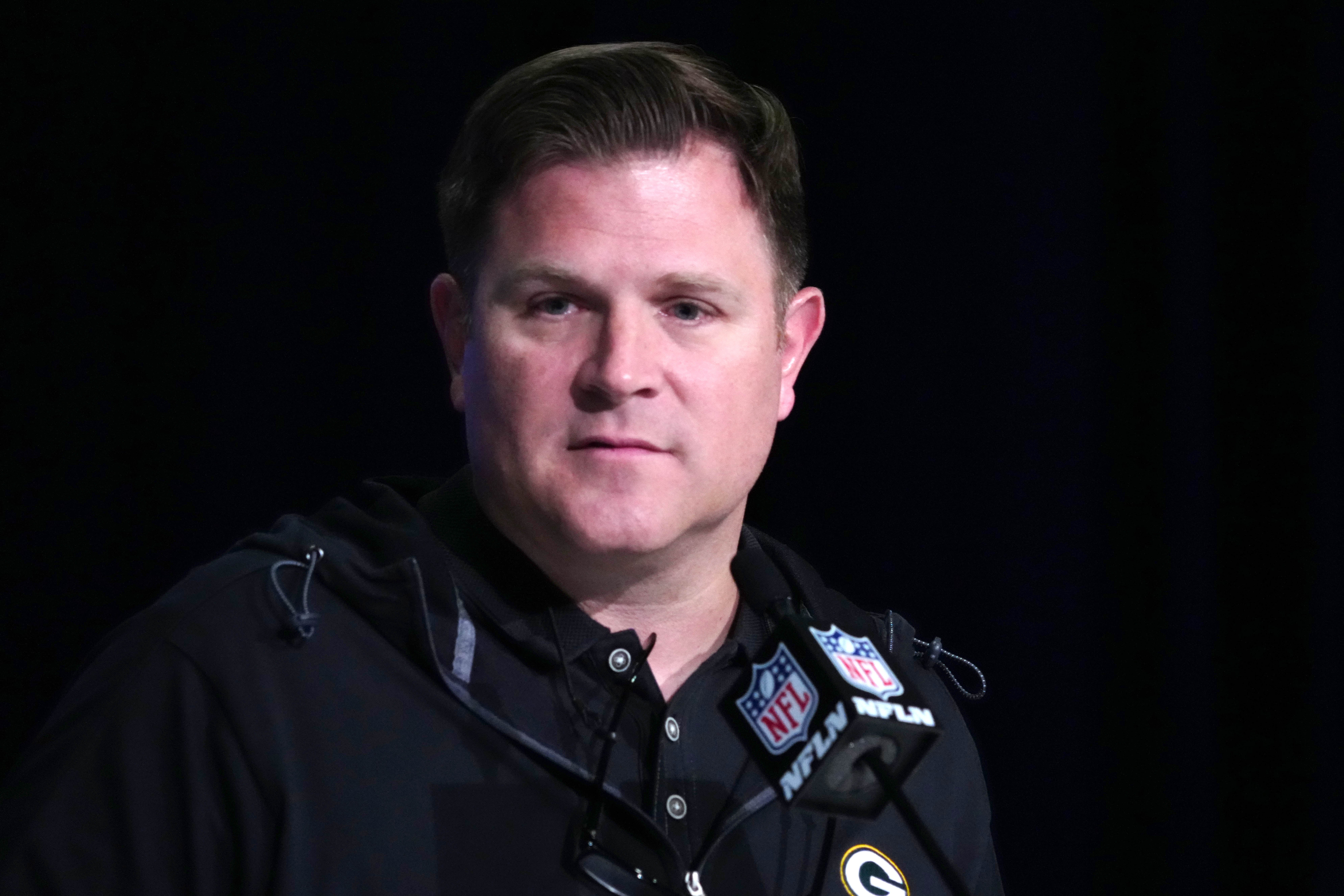
It's not necessarily news where the Green Bay Packers land on the traits vs production conversation that has dominated parts of the draft process. Just since Brian Gutekunst took over as a general manager, there have been two obvious comparisons.
In 2019, the team took Rashan Gary over Brian Burns—and less notably but still impactfully, third-round pick Chase Winovich who was more productive than Gary at Michigan. In 2022, the Packers decided to take Quay Walker in the first round instead of waiting to select a player with better college stats, Nakobe Dean, in the third.
Just like anything in the scouting world, there are fair arguments and examples for both sides. Gary has had an incomparably better career than Winovich, who’s been out of the NFL since 2023, but Dean has been more efficient for the Philadelphia Eagles than Walker for Green Bay. In 2023, the Packers took Lukas Van Ness with the same developmental logic.
This year, there are some guys with the same style—and none is more pronounced than Shemar Stewart.
For Gutekunst, the most important element of the evaluation is to try to project what the player will be as a professional.
“What you're trying to predict is what they're gonna do in the National Football League, that's first and foremost,” Gutekunst said on Monday. “If a player doesn't have the kind of production that you think he should at the college level, there's a lot of discussion about why that was. If you think that's something that as he moves forward and he progresses as a football player, if that's gonna change or not. It's just a matter of looking at his game as he moves into the National Football League, will those traits allow him to become a more productive player than maybe he was in college.”
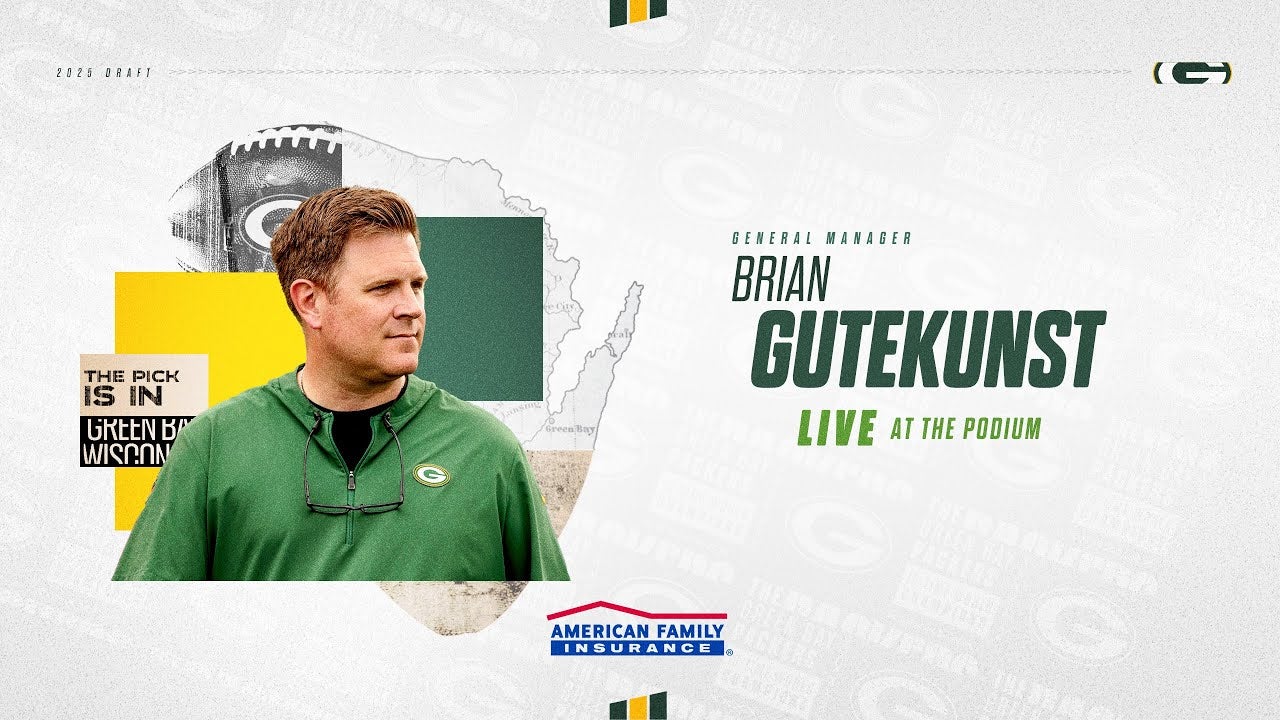
The approach, in any avenue the Packers use to acquire players, expects that the athlete will have a better performance throughout his time in Green Bay. Ultimately, they don’t want to spend (either money or draft capital) for past production.
“It's about where he is in his evolution as a player. When he's on that curve, particularly now with guys coming out really early, some guys have been in college for eight years now, you look at those different things,” Gutekunst added. “It's no different than when you sign a guy to a contract or you draft a guy, you're really trying to do it for what he's gonna do throughout the next three or four years, not what he's done.”
Immediate impact
Since 2018, the Packers have had both good and bad examples in terms of rookies playing well (or a lot) right away. Jaire Alexander, Darnell Savage, Eric Stokes, and Quay Walker were starters from the get go or at least throughout their first seasons in the league. Rashan Gary and Jordan Love weren’t preferred starters before Year 4, and players like Devonte Wyatt, Lukas Van Ness, and Jordan Morgan are yet to solidify their roles as starterters.
But while it’s positive to have immediate contributions from rookies, it's not a necessity based on the Packers’ premises. For Gutekunst, it’s more a question of how the team is at the position than the individual performance—Love and Gary, for example, were backups to established veterans.
“No,” Gutekunst quickly said when asked if the 2025 first-round pick would have to produce right away. “You'd love to, but you guys have been around here. It's great when they do, but that's not always the case. The transition to the National Football League is tough, it's not always easy. A lot of time it's determined by opportunity. If you take a guy in a particular area that is gonna have a lot more opportunity than somebody else. We try to stay away from that drafting for need. We try to take the best player available if that's possible. But most of the time, a guy's impact in his rookie year comes down to the opportunities that he had more than anything.”
In reality, it’s always a balance. While the board dictates much of the plan, the Packers do have a track record of assessing needs in the draft in some ways—and Gutekunst himself said once that they wouldn’t be as aggressive to acquire Christian Watson and Romeo Doubs in 2022 hadn’t they traded Davante Adams.
The ultimate goal in the draft is to find good players, ones that will make an impact while they are with the team. In the current NFL, though, there are also factors in play—the maximization of resources and capital with premium positions, early usage and how it affects the team’s salary cap situation. And all that impacts a team’s ability to build a championship roster. It all starts with the draft, especially for a franchise like the Packers.
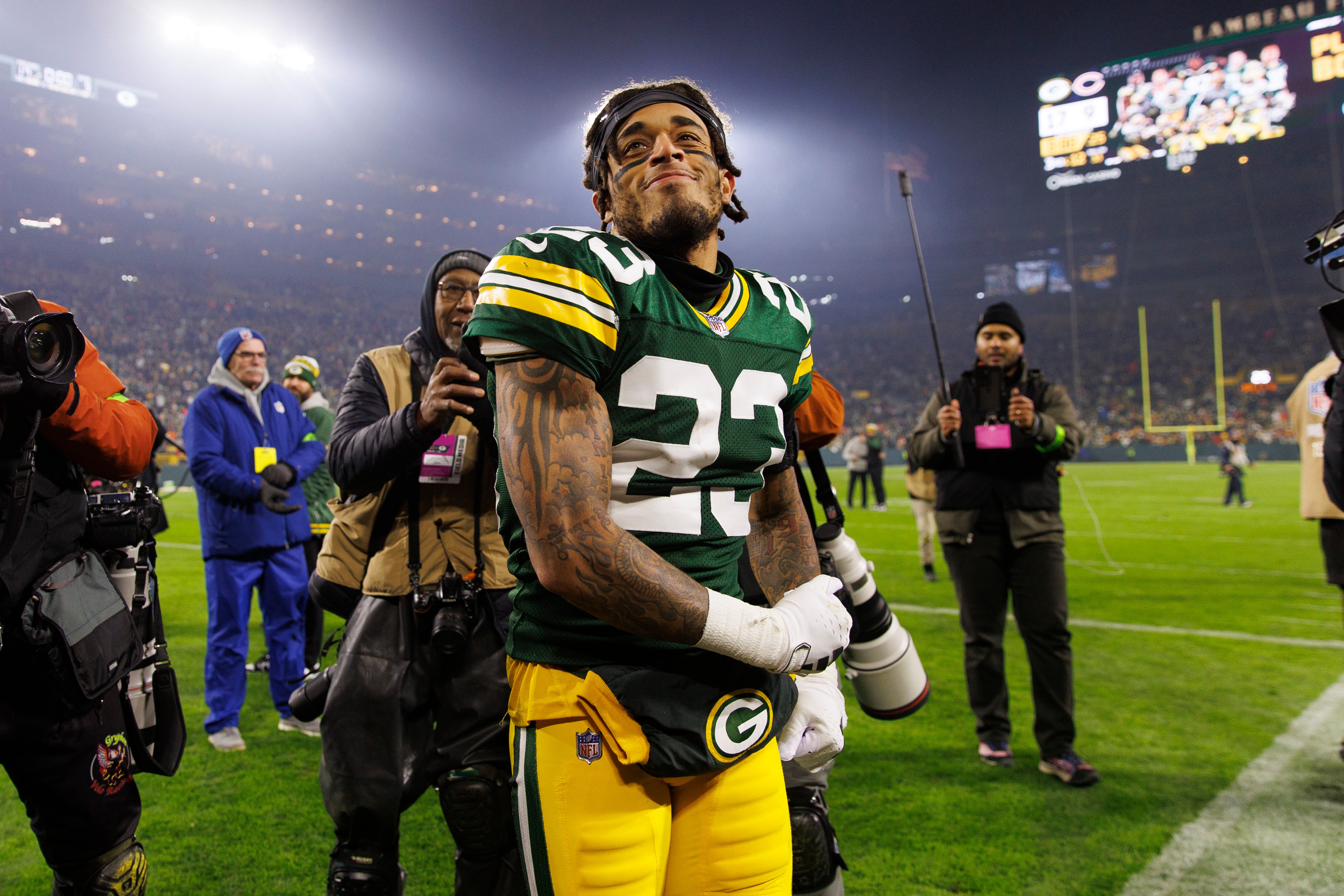
Brian Gutekunst gives subtle but telling response about Jaire Alexander’s future that Packers fans shouldn’t overlook
Green Bay is still evaluating its options


