
Packers seven-round mock draft builds a complete roster by addressing every major need for 2025 and beyond
The Green Bay Packers entered and left the first wave of free agency basically with the same needs. Yes, the team signed Aaron Banks, Nate Hobbs, and Mecole Hardman, but they still need cornerbacks, edge defenders, defensive tackles, and wide receivers.It's impossible to know if they will be able to address everything in the draft, […]


The Green Bay Packers entered and left the first wave of free agency basically with the same needs. Yes, the team signed Aaron Banks, Nate Hobbs, and Mecole Hardman, but they still need cornerbacks, edge defenders, defensive tackles, and wide receivers.
It's impossible to know if they will be able to address everything in the draft, but we came as close to it as possible in this seven-round mock draft.
Trading down is what makes it special
The Packers have only 29 players under contract for 2026, so they need volume. And the Packers are slated to have only eight draft picks, which would be tied for the lowest number since general manager Brian Gutekunst took over in 2018.
For this exercise, we used the Pro Football Network draft simulator tool. Somehow, the San Francisco 49ers acquired the 51st overall pick from the Denver Broncos and packaged picks 43 and 51 in the second round to move up to 23. Based on how this draft class is perceived, moving down to get two fairly high second-rounders became an amazing value.
Second round, pick 43: CB Trey Amos, Ole Miss
Even though the Packers signed Nate Hobbs in free agency, they are expected to cut or trade Jaire Alexander, and lost Eric Stokes, Corey Ballentine, and Robert Rochell. The roster needs numbers at the position, and Amos is a physical, big player at the position with recovery speed. The ball skills aren't great, but he would provide helpful elements to Jeff Hafley's defensive scheme, which primarily relies on zone coverage. Last year, Amos allowed a ridiculous 54.5 passer rating when targeted.
Second round, pick 51: EDGE Bradyn Swinson, LSU
Swinson might have been overlooked, but he is a promising prospect. As a senior at LSU, he had 8.5 sacks and generated 60 pressures. He's a special pass rusher and a decent run defender, which is a more than fine combination at this point of the draft.
The Packers invested a lot in the edge position, and the results have been underwhelming. Swinson would be another valid attempt to get a high-level player at a premium spot.
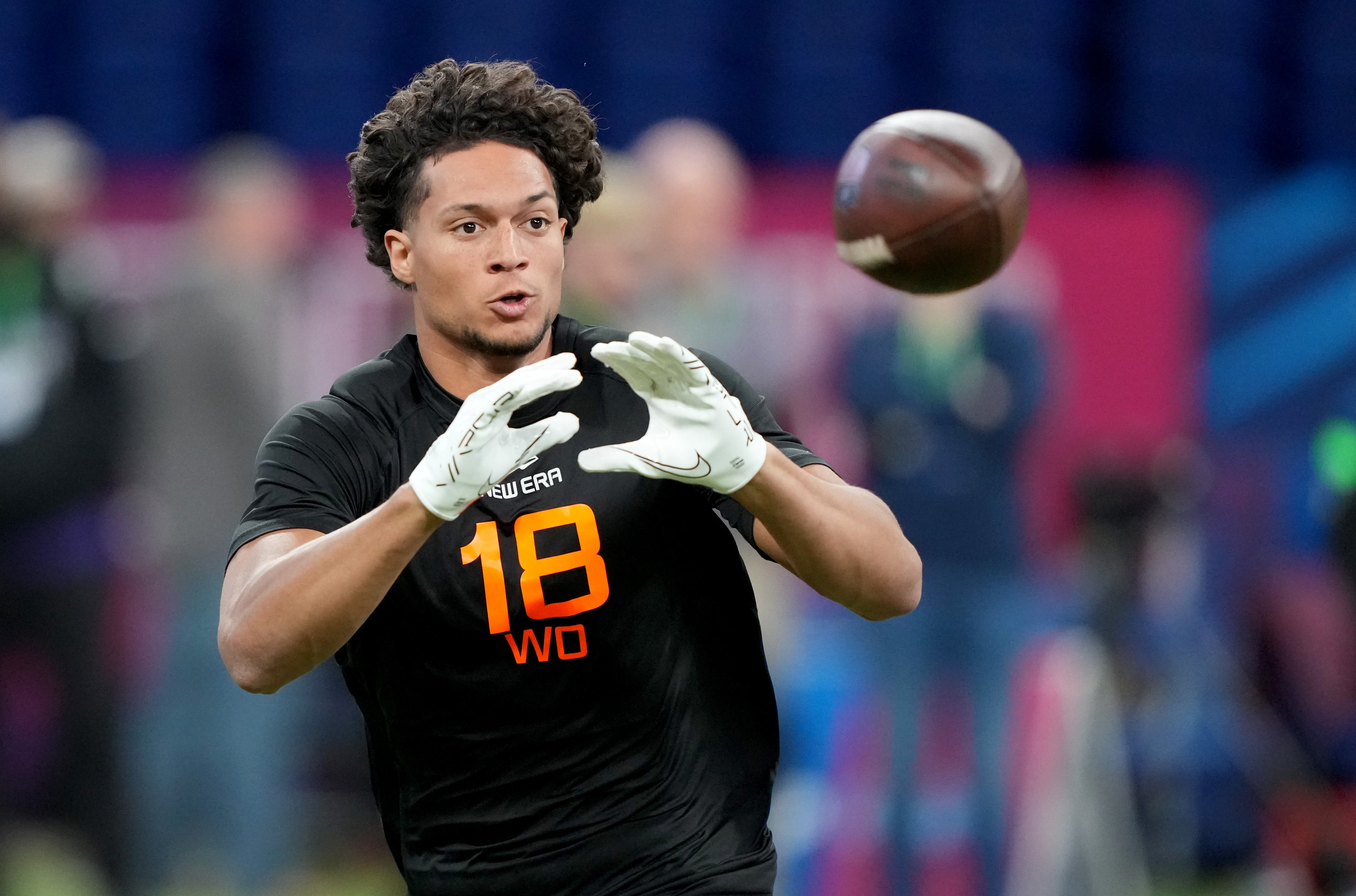
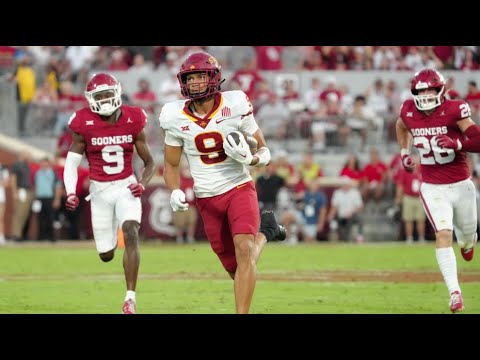
Second round, pick 54: WR Jayden Higgins, Iowa State
Big, athletic, productive, second-round wide receiver. It's basically impossible to have a more Packers-y combination than this. Higgins is a prototypical X receiver and has elite underlying metrics in yards per route run (2.66), drop rate (2.2%), and playing against man coverage.
It's exactly what the Packers need, especially with Christian Watson injured to start the season and most of the receivers on the roster getting to the final parts of their deals.
Third round, pick 87: DT Omarr Norman-Lott, Tennessee
Another pick, another need addressed. And there's no reach to make it happen. Norman-Lott in the third is a great value, and his ability to rush the passer is impressive. He's not exactly a good run defender, but it's not catastrophic either. Over two seasons at Tennessee, he had 9.5 sacks. In his senior year, Norman-Lott generated 27 pressures, with an elite 18.9% pass rush win rate. PFF named him the "best long arm" among interior defensive line prospects in this class.
Fourth round, pick 124: OT Chase Lundt, UConn
It's not the first time I mock Lundt to the Packers in the fourth round, because he's ideal for what they need and what they tend to like. He is an experienced right tackle and is one of the best run blockers in the entire class. With three starting offensive linemen set to hit free agency in 2026, the Packers can certainly add to the position, even if Zach Tom will likely extend his contract.
Lundt could spend his rookie season on the bench, and then compete to be a swing tackle or even a starter depending on what happens to Rasheed Walker and Jordan Morgan.
Fifth round, pick 159: QB Tyler Shough, Louisville
Tyler Shough is a decent quarterback prospect, despite some awful plays on his tape. There's a good chance he gets drafted earlier than this, but he was on the board and the value was too good to pass up here.
The Packers have a long track record of drafting Day 3 quarterbacks to develop and, maybe, trade them away later. With Malik Willis entering the final year of his deal, Shough could have a year as a third-stringer before being the immediate backup to Jordan Love.
Sixth round, pick 198: RB Jarquez Hunter, Auburn
Hunter might be slightly undersized, but that doesn't matter as much for running backs. The fact is that he is extremely fast and athletic. Extremely elusive, he's perfect for a zone-heavy offensive style and would complement well what Josh Jacobs offers to the rushing attack.
Seventh round, pick 237: CB Isas Waxter, Villanova
A big corner, Waxter has long arms and excels at press coverage, something that could create a relevant role for him in this defense. He's also a reliable tackler. Taking two cornerbacks is not too much based on how the depth is, and Waxter brings a physical type that the group doesn't have.
Seventh round, pick 250: WR Ja'Corey Brooks, Louisville
My friend Brian Maafi, a Cheesehead TV draft guide contributor, first told me about Brooks as a potential Packers Day 3 target back in January. Brooks surpassed 1,000 yards in his last season at Louisville, and has the size and athleticism to thrive in the NFL. It's hard to understand why he's so low on most draft boards, but he is a really impressive player.
Nate Hobbs’ free agency signing sets off a ripple effect on the Packers’ secondary and how they shape the roster moving forward
This week’s mailbag addresses changes around the roster


