
Packers have a path to recoup in the future something that would be hardly missed otherwise and it could pay off big
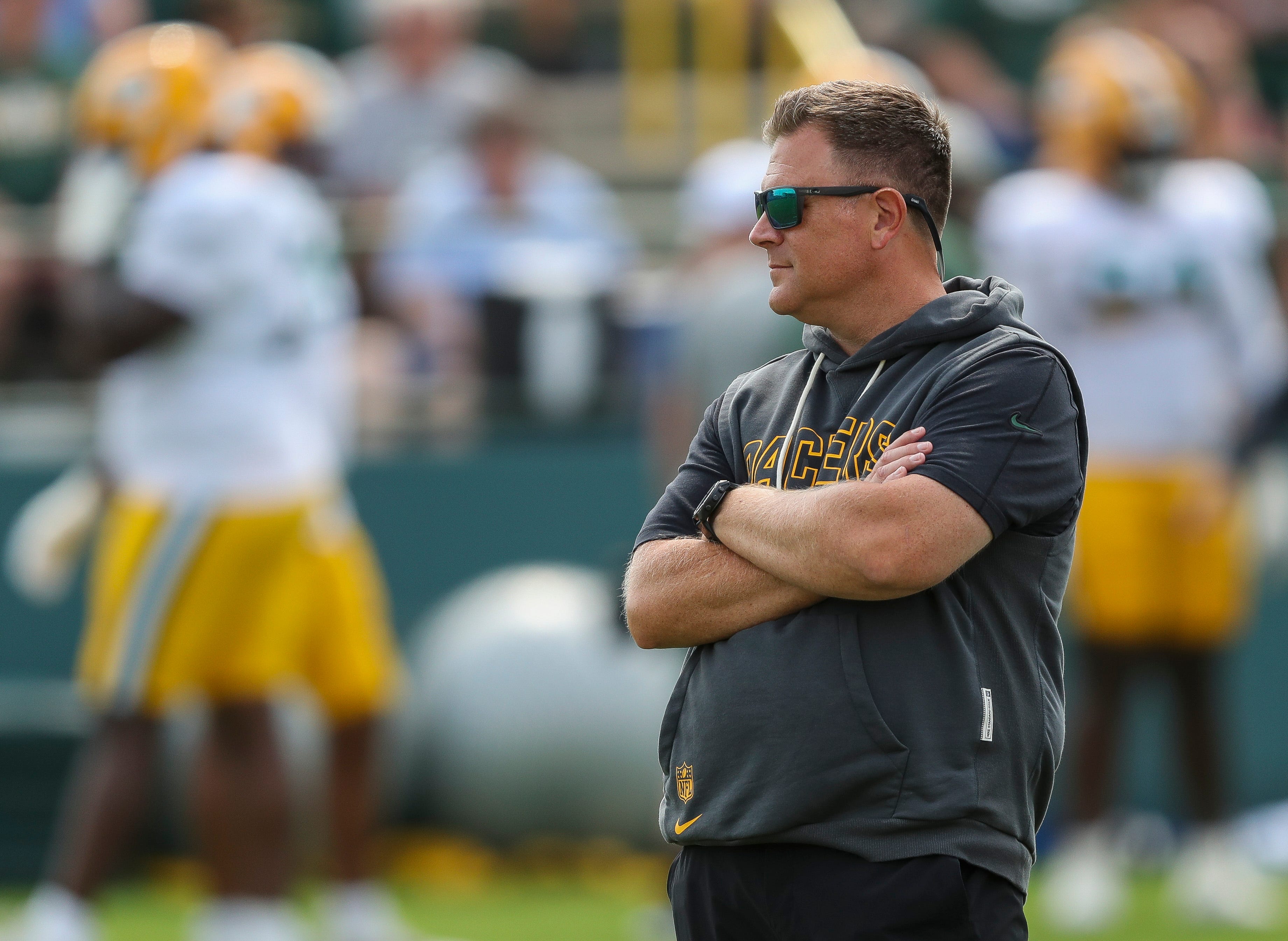
Brian Gutekunst has a lot of work to do over the next few years.


Now, the Green Bay Packers are reaping the rewards of the Micah Parsons trade. Before the team’s bye week, he was leading the NFL in pressures (25), and the impact on the entire defensive structure is undeniable.
On the other hand, the real cost of the trade will come in smaller doses. The Packers are already without defensive tackle Kenny Clark, but they also gave up 2026 and 2027 first-round picks. The deal was obviously worth it, but general manager Brian Gutekunst will have to execute a concerted effort over the next few years to make sure the roster keeps a sustainable model.
Go watch the Chicago Bears. The team executed a trade for Khalil Mack and had a good 2018 season, but couldn’t recover themselves without the draft capital. Green Bay has different circumstances with Jordan Love at quarterback and more young talent around the team, but it’s still important to be aware of the risks.
Compensatory picks
The Packers are competing for the championship, and that’s why they made the moves they have. So it doesn’t make any sense to trade important players away, even if they’re in the final year of their deals—wide receiver Romeo Doubs is the best example.
However, it will be impossible to keep everyone. After all, Parsons’ cost wasn’t just the draft capital compensation, but also a $46.5 million extension on yearly average.
The Packers will have several valuable players entering free agency next offseason. Doubs, quarterback Malik Willis, left tackle Rasheed Walker, right guard Sean Rhyan, edge defender Kingsley Enagbare, linebacker Quay Walker. The team could potentially extend one or two of those, but not many beyond that.
And if they sign elsewhere in free agency, they will count towards the compensatory pick formula. Without much cap flexibility and with a scare after the early results from the 2025 free agent class haven’t been great with Aaron Banks and Nate Hobbs, Gutekunst will probably be happy with sitting free agency to collect the extra picks.
Each team can receive up to four compensatory picks in the same year, from the third through the seventh round, depending mostly on the player’s salary—but also on snaps played.
With these six impactful players reaching the market, the Packers could recoup significant capital, which will be huge next year—Green Bay is without both its first- and sixth-rounds picks after the trades for Parsons and Darian Kinnard.
Those picks wouldn’t be used before 2027—the Packers won’t have comp picks in 2026. But it’s still the correct approach thinking about the future of the roster.
Trade down
The really valuable trades down involve first-round picks and the Packers don’t have one. It’s realistic to expect that they will only select players by the end of the second round, around the 50s or 60s. But that doesn’t and shouldn’t preclude Gutekunst from considering a trade down.
Back in 2023, the Packers had the 45th overall pick. They made two consecutive trades, moving down to 48 and 50. With the 50th pick, they selected wide receiver Jayden Reed, picking up extra fifth- and sixth-rounders that were used to draft Dontayvion Wicks and Karl Brooks.
High draft capital is obviously more impactful, but the Packers more than anybody have shown over the last few years that volume of picks does matter. It might not be sexy for fans, but it’s the right long-term approach, especially for a team that will need cheap talent to stay relevant and to keep its system going.
Green Bay Packers News
Packers force the issue, but the real test will be finding the perfect balance and trusting Jordan Love
Green Bay has a run-centric offensive structure.


