
Packers style of play doesn't fit the current version of the NFL
Football is constantly evolving. It's an endless cat and mouse game between offense and defense, and after years of offensive steady growth, it seems like the defense has finally caught up. Most underlying stats indicate that trend, especially in the red zone, which has made scoring go down significantly. The Green Bay Packers, however, are […]


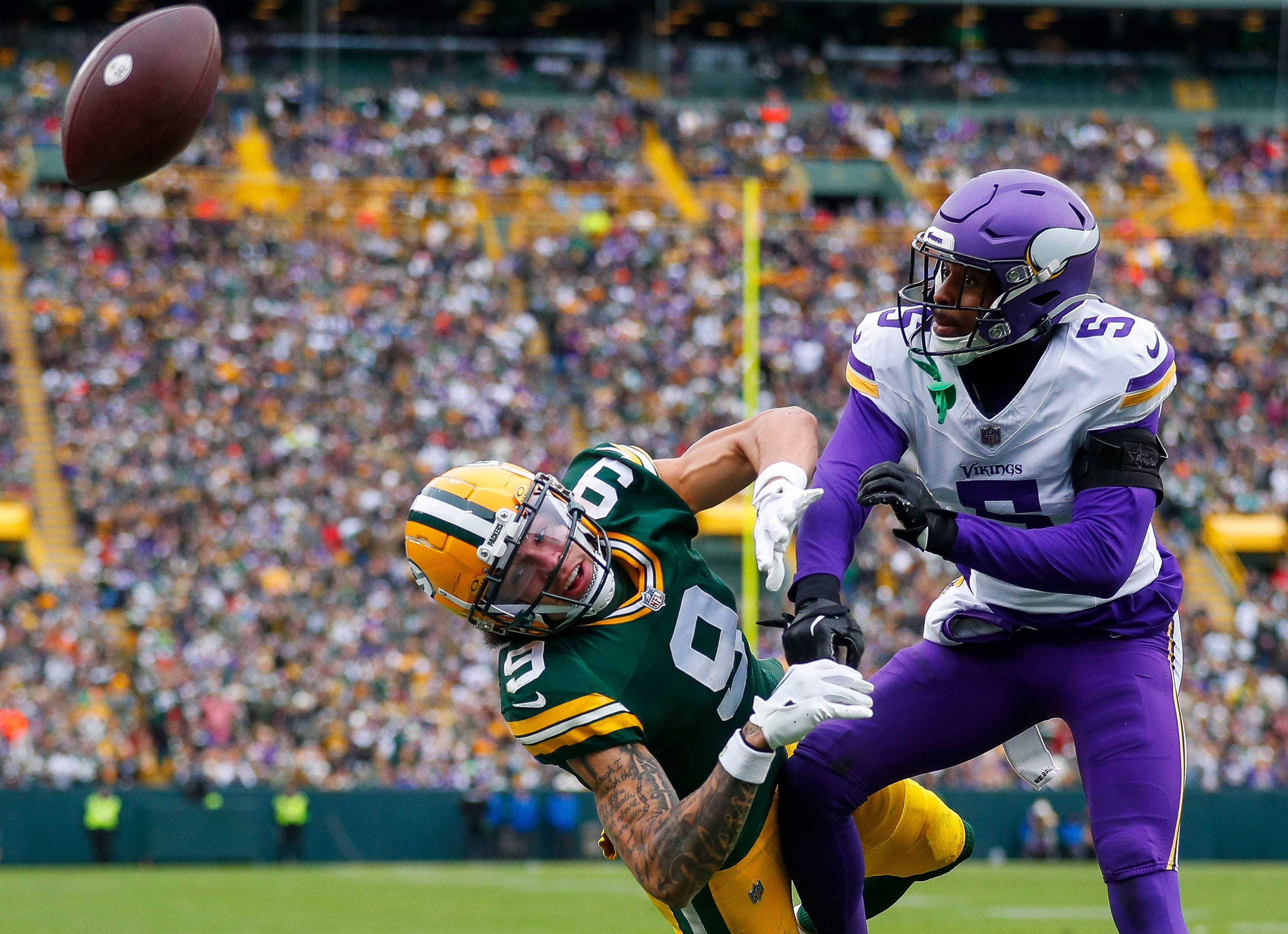
Football is constantly evolving. It's an endless cat and mouse game between offense and defense, and after years of offensive steady growth, it seems like the defense has finally caught up.
Most underlying stats indicate that trend, especially in the red zone, which has made scoring go down significantly.
The Green Bay Packers, however, are having a hard time following that trend on both sides of the ball.
Defensive coaching
On defense, it's a special moment for young coordinators. Baltimore Ravens' Mike Macdonald is the best example, leading a great unit with an innovative and progressive style. It's fair to say that, alongside Detroit Lions offensive coordinator Ben Johnson, he's one of the favorites to become a head coach in 2024.
Cincinnati Bengals' Lou Anarumo and Jacksonville Jaguars' Mike Caldwell are not exactly young, but they had never been a full-time DC before. Philadelphia Eagles' Sean Desai is also a young bright mind.
On the other side of the spectrum, there are former head coaches who have done a good job of adjusting their old styles for the new era. Cleveland Browns' Jim Schwartz, Dallas Cowboys' Dan Quinn, and Minnesota Vikings' Brian Flores are examples of that.
The Packers are stuck in the middle. Joe Barry has never been a head coach, and he's not a young bright defensive mind either. He's a retread with an unsuccessful track record in previous stops as a defensive coordinator for the Detroit Lions and Washington Commanders.
Green Bay tried to recreate what the Los Angeles Rams ran with Brandon Staley in 2020, but that's not looking like a viable strategy — even for Staley himself, who has struggled as the head coach of the Los Angeles Chargers.
Right now, the Packers are tied for 28th in takeaways per game, with 0.9. Just the Las Vegas Raiders and the Los Angeles Rams are worse. They are 25th in defensive success rate and, going into the Vikings' game, 27th in DVOA.
It's hard to expect better results if nothing has changed.
Offensive efficiency
The era of two-high and ultra efficient redzone defenses has changed how offenses have to operate. It's much more difficult to generate explosive plays, and that includes the best offenses in football. So they need to be efficient. Can an offense march the field with any consistency without creating many big plays? That's the difference between good and mediocre offenses. So far, Jordan Love's era offense hasn't done it.
They are 15th in EPA/play, but 20th in success rate. That means they are bad on a play-by-play basis, even though they are relatively explosive when they do get positive plays. That’s exemplified by their most talented wide receiver. Christian Watson is a deep threat, and his speed was a huge difference-maker for the Packers in 2022. But he isn’t a player who will receive eight to ten passes in any given game.
The run offense was expected to give this Packers team a consistent production, but it has severely declined since last year, both in terms of run blocking and with the running back play with Aaron Jones being always limited.
The problem, again, is that the current NFL demands play-by-play efficiency. And the Packers don't have it.
"Not getting off the grass on third down. Struggles in the red zone. Starting the game out, I want to say four three-and-outs," Packers head coach Matt LaFleur said. "It's hard to get into a rhythm offensively, and then when we needed a stop or whatever, we weren't able to do that."
For different reasons, the Green Bay Packers haven't kept up with the trends around the NFL both on offense and defense. It has been costly, and now it's hard to imagine a mid-season recovery without significant changes — and it's unrealistic to expect big changes during the season.
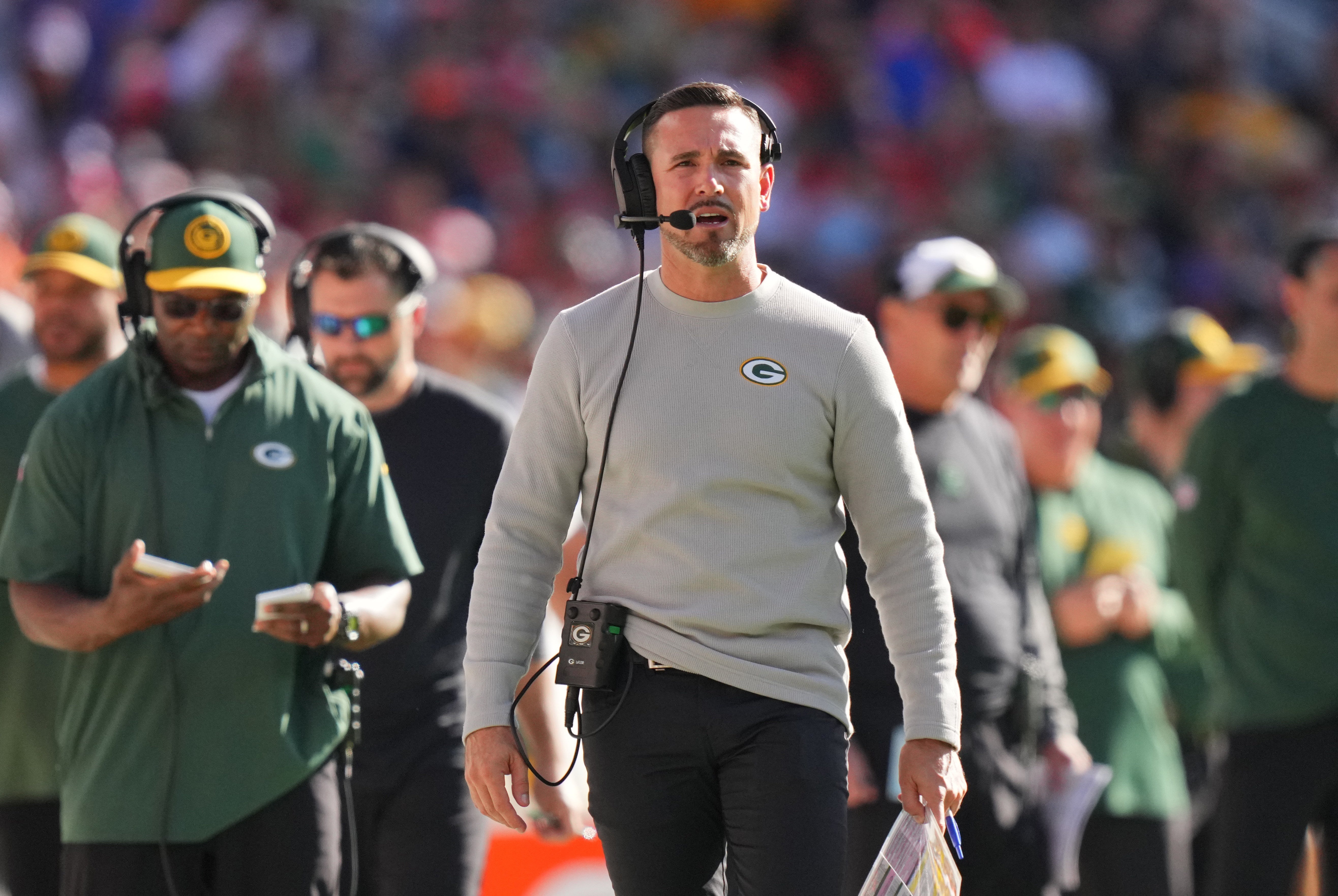
The Packers must consider coaching staff changes
Matt LaFleur’s coaching staff decisions have been beyond questionable


