
Salary cap increase highlights what the Packers need to prioritize when negotiating with Jordan Love
The 2024 salary cap will be much higher than anyone projected. The league announced the number on Friday, $255.4 million, and that's $13.4 million more than the number credible website Over the Cap was working with. That's even more than the $250 million some sources told Albert Breer earlier this week, when telling him the […]


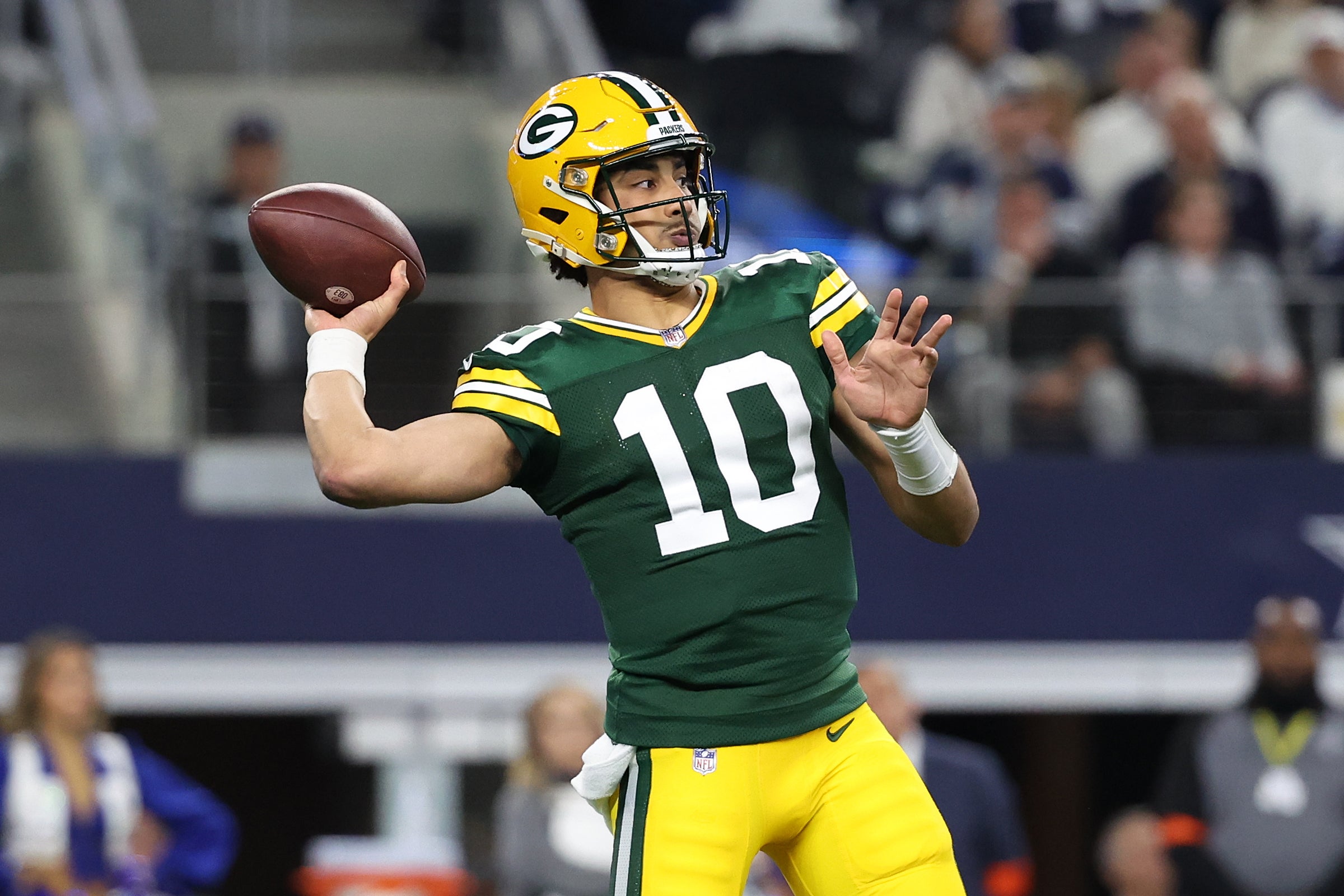
The 2024 salary cap will be much higher than anyone projected. The league announced the number on Friday, $255.4 million, and that's $13.4 million more than the number credible website Over the Cap was working with. That's even more than the $250 million some sources told Albert Breer earlier this week, when telling him the cap would be higher than expected.
That's more than a $30 million difference if compared to the 2023 cap number. And well, maybe the growth won't be as absurd year by year moving forward, but maybe it will. And at worst, it will be a huge increase each and every year. And that expected increase should inform how the Green Bay Packers have to operate the Jordan Love contract negotiation.
Fighting for $2 million or, damn it, $5 million per year with your franchise quarterback is simply not worth it. The Packers' priority shouldn't be total value or yearly average. It should be flexibility to build a strong roster around Love in the next few years.
How can you do that?
The first step for the Packers is to prioritize a long-term extension. Really long. Sure, it's hard to find a quarterback or an agent willing to execute a Patrick Mahomes-esque 10-year deal, but a six-year extension just like Josh Allen signed with the Buffalo Bills.
Right now, a $52 million yearly average would mean 20.3% of the salary cap. In two or three years, projecting that Love will keep his ascension, that will look like a bargain.
A longer contract is also good for two other reasons. First, it gives the team more flexibility to backload the deal without compromising the cap so much — and that means lower cap hits early on. Second, it gives the team management more confidence that he will be around for a long time, which allows them to build the rest of the roster accordingly.
Good situation
The Packers utilized the 2023 season as a way to put their salary cap situation back on track. Instead of keeping the spending spree, they were one of the least expensive rosters in football — 27th overall in cash spending, 32nd on offense.
That put the Packers back in position to have more overall flexibility. They still needed to restructure deals in 2023 to be cap compliant, but the situation is much better now.
Obviously, the salary cap increase helps that even more. Even though future salaries will take the increase into consideration — because scaled contracts are based on cap percentage, and agents negotiate deals with the cap total in mind —, money previously paid that hasn't hit the cap yet will do now under a more favorable condition.
Outlook
Traditionally, the Packers tend to be a "pay as you go" franchise in terms of cap management style. They broke their own standard between 2020 and 2022 because of the pandemic and because quarterback Aaron Rodgers was getting closer to the end of his tenure in Green Bay.
Therefore, don't expect major investments again or that the Packers would be big-time players in free agency. However, the salary cap increase gives them more flexibility to go back to their natural modus operandi, without a need to kick the can down the road even more.
Eventually, general manager Brian Gutekunst might sign some free agents here or there. But the top priority is to find an intelligent structure to keep Jordan Love and build a strong roster around him.
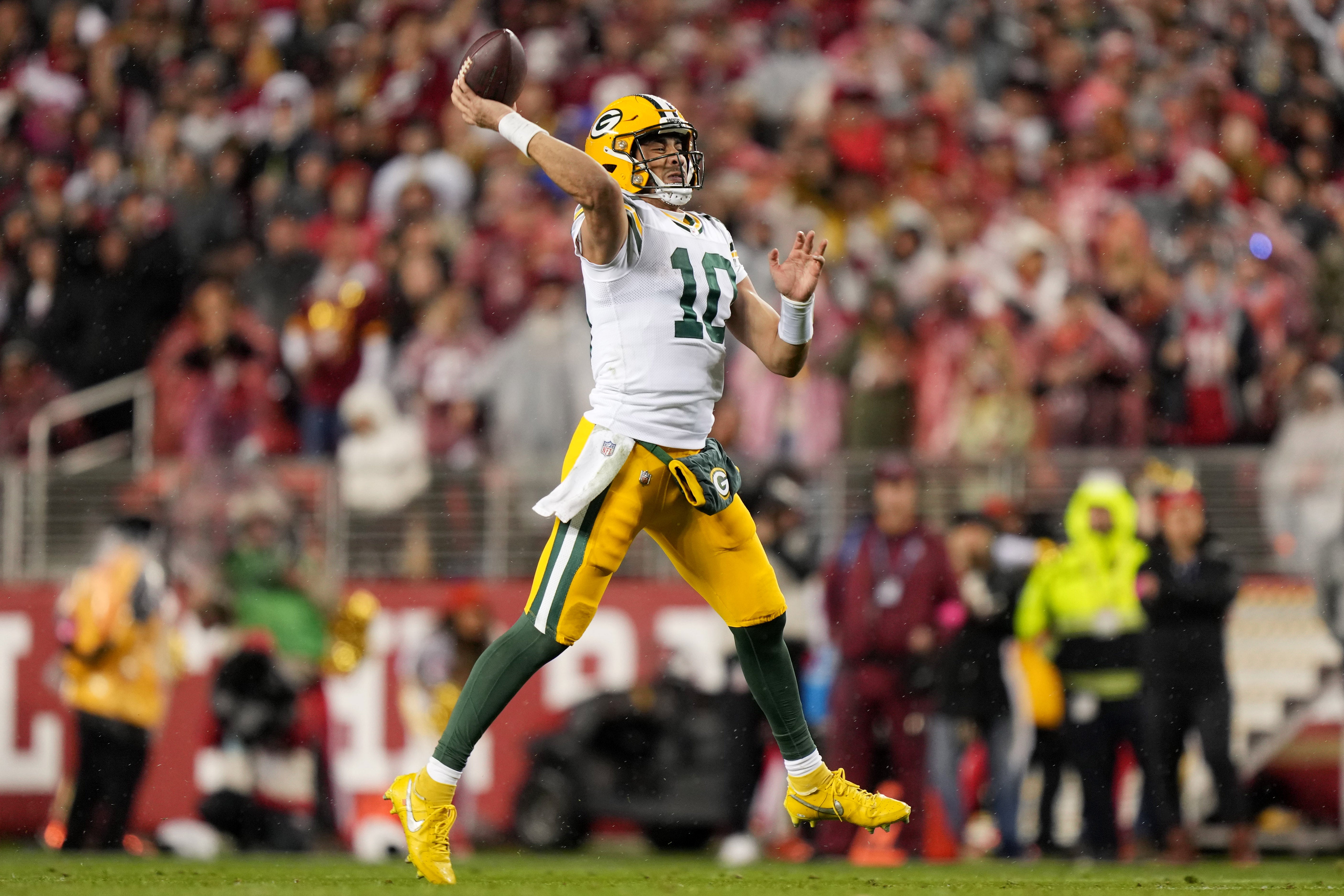
Contract projections: How much will the Packers pay to extend QB Jordan Love?
Quarterback is under contract through 2024


