
Three best moves of the Packers’ offseason
The Green Bay Packers historically are a draft, not a free agency franchise. Eventually, though, general manager Brian Gutekunst has shown willingness to make aggressive moves. This offseason, the executive has added talent to the roster on multiple fronts, including two big ticket free agents (Xavier McKinney and Josh Jacobs) and 11 draft picks. Let's […]


The Green Bay Packers historically are a draft, not a free agency franchise. Eventually, though, general manager Brian Gutekunst has shown willingness to make aggressive moves. This offseason, the executive has added talent to the roster on multiple fronts, including two big ticket free agents (Xavier McKinney and Josh Jacobs) and 11 draft picks.
Let's discuss the three best moves.
Signing Xavier McKinney
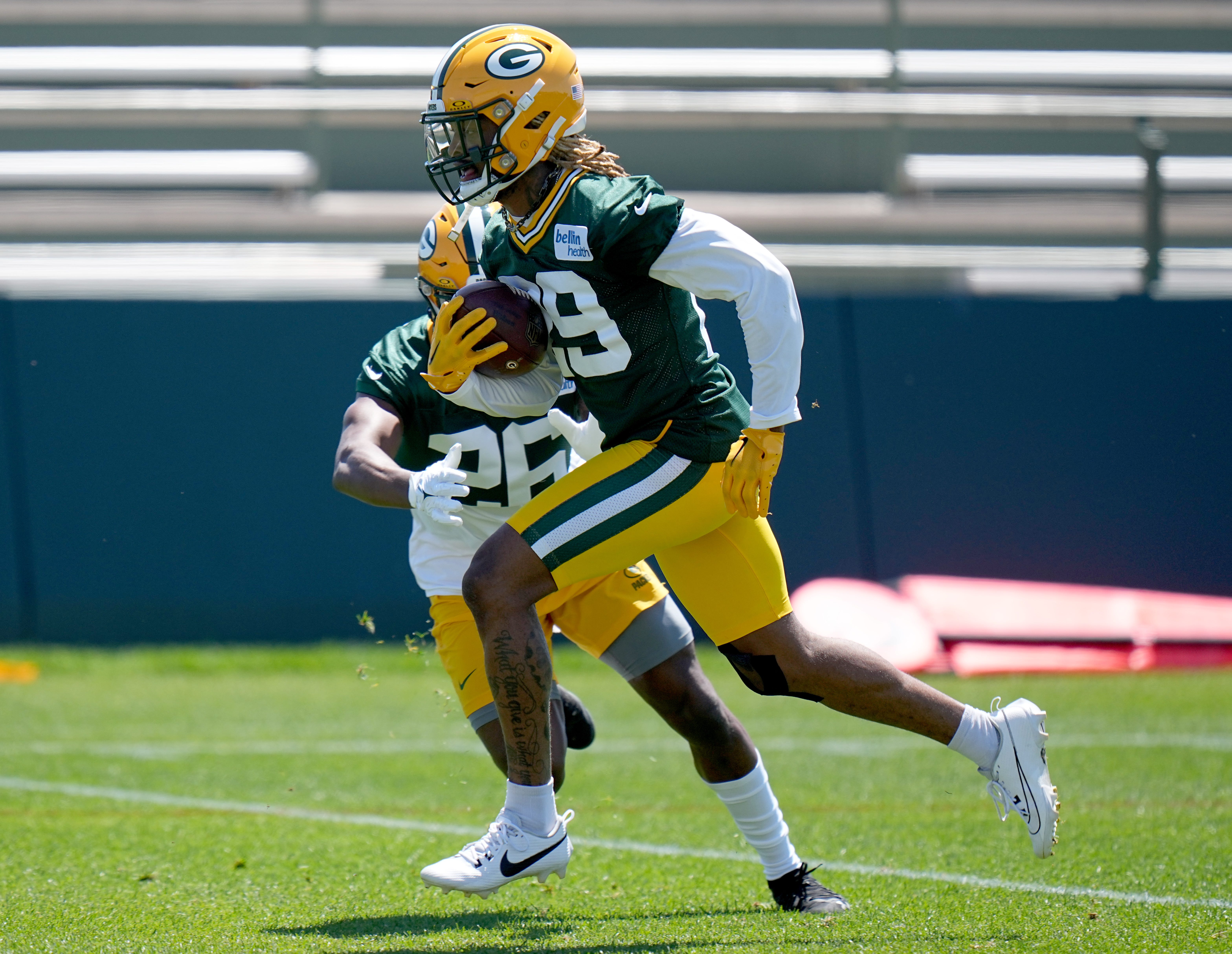
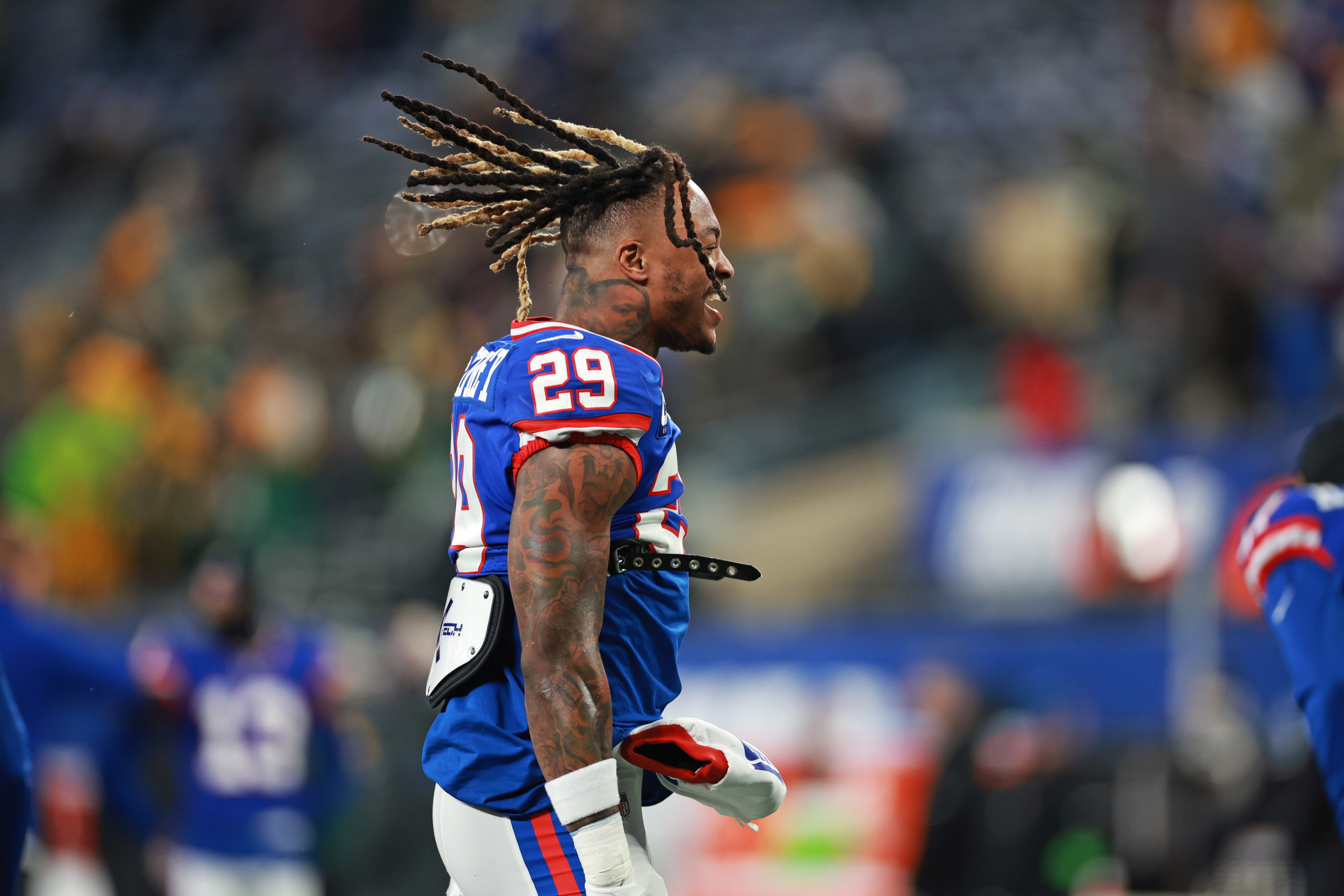
McKinney was projected to get something around $13 million and $14 million per season, so a contract paying almost $17 million might look like an overpay. However, the former New York Giants safety is exactly what the Packers needed to rebuild the position.
They allowed Darnell Savage, Jonathan Owens, and Rudy Ford walk as a consequence of the signing, and it allowed Gutekunst to complement the position only with draft picks. Instead of spreading money around with multiple mid-level signings, Gutekunst addressed it with a high-profile player with versatility to occupy multiple spots in the secondary. He's still young at 24, so Green Bay sees him as a building block.
“He (McKinney) is a unique player to come available,” Packers general manager Brian Gutekunst said. “He’s 24 years old, one of the top safeties in the game, a guy that can be a game-changing type player. And he really kind of fits a little bit of a criteria we're looking for in a free agent, not only as a player, but as a leader back there."
Approach to the LB position
Two years ago, the Packers re-signed De'Vondre Campbell to a five-year, $50 million contract. They also drafted Quay Walker in the first round. The expectation was that this approach would solve a long-standing problem, but Campbell regressed back to normal after an outlier season in 2021, and Walker didn't pan out as expected — or at least hasn't.
This time around, the approach was smarter. Gutekunst drafted two day 2 off-ball linebackers in Edgerrin Cooper and Ty'Ron Hopper. They might not have the same floor the previous duo had, but their ceiling is higher — and the chances of reaching the ceiling are more realistic.
Linebacker is not a premium position, but it's still an impactful piece of a defense like Jeff Hafley wants to implement. With that combination in mind, it makes sense to use day 2 picks, avoiding premium capital, but still getting players with potential to develop into reliable starters.
Seventh round
It's difficult to find real NFL players in the seventh round of the draft, but Gutekunst has done it several times — the most recent example is cornerback Carrington Valentine last year. This time around, the GM found two players who were expected to be drafted much earlier, and that brings an interesting element to their situations on the roster.
Quarterback Michael Pratt was considered a fourth-round prospect — the 119th player on the consensus big board. But the draft was insane at the position, with five passers in the first 12 overall picks. The sixth quarterback wasn't drafted until the 150th pick, with Spencer Rattler going to the New Orleans Saints. Pratt ended up falling to the seventh round, and at that point it was hard (and unnecessary) for the Packers to pass on the opportunity to select a developmental quarterback.
Ten picks later, with the 255th overall selection, the Packers took another player from a premium position who was a faller. Cornerback Kalen King was the 166th prospect on the consensus board, a late fifth-round projection. And that was after a disastrous last season in college — before that, he was even considered to be a first- or second-round pick. The Packers have a track record of taking players who have shown their abilities at some point, even without a linear growth, so King will have time to develop and show what he does well once again.
Packers see free agent addition as a building block for the present and future
Safety will make up to $17 million per season


