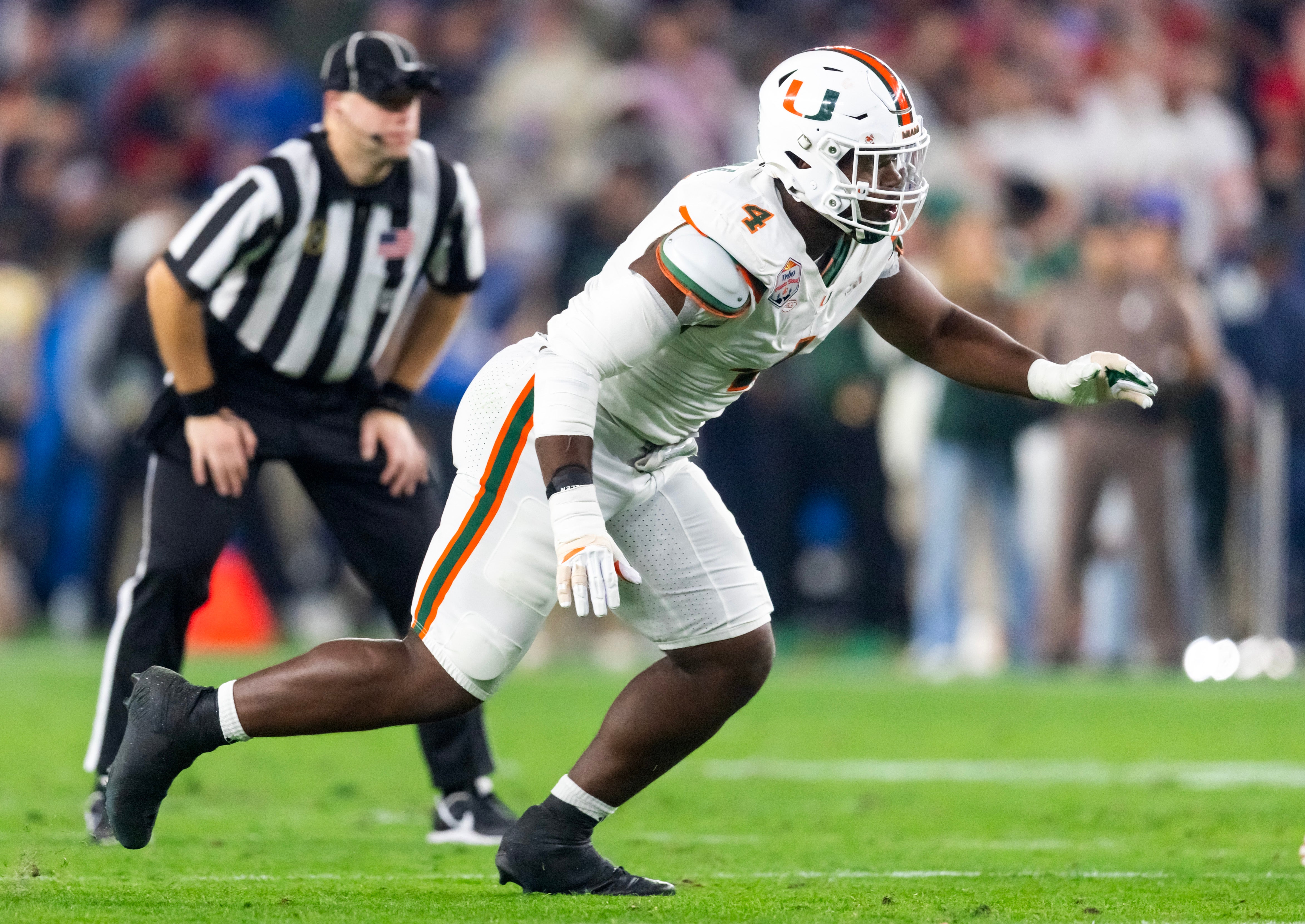
Texans' QB CJ Stroud may financially benefit from being picked at No. 2
The Houston Texans made CJ Stroud the No. 2 pick in the 2023 NFL Draft. Former Alabama QB Bryce Young was the only player selected ahead of Stroud. Even with Stroud not being the first QB selected, the former Buckeye might still come out as the top earner. Draft picks have a slotted value that […]


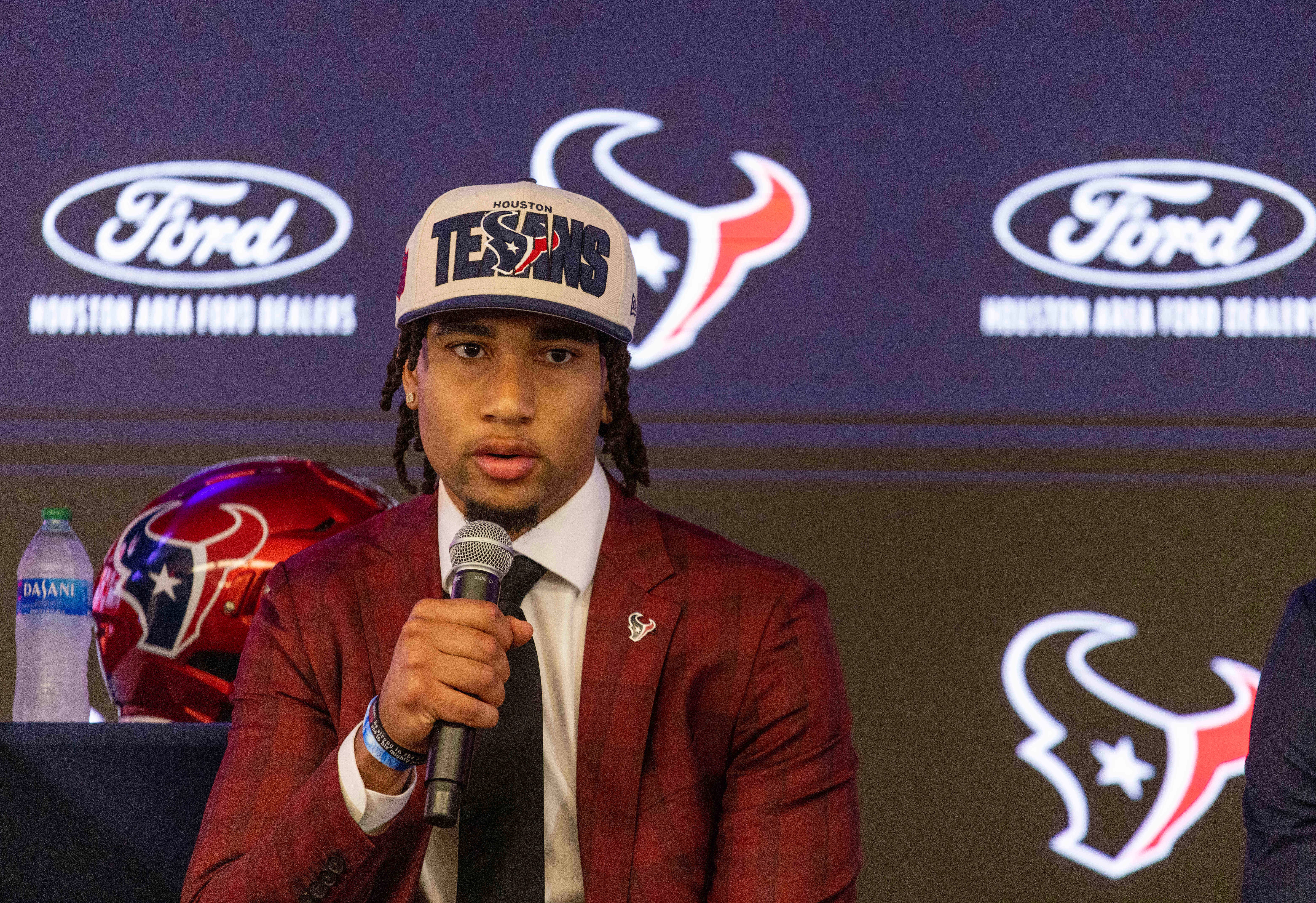
The Houston Texans made CJ Stroud the No. 2 pick in the 2023 NFL Draft. Former Alabama QB Bryce Young was the only player selected ahead of Stroud.
Even with Stroud not being the first QB selected, the former Buckeye might still come out as the top earner. Draft picks have a slotted value that is standard across the league, but due to differing tax laws in each state, some players still earn more than players who were selected ahead of them.
Michael McCann and Robert Raiola of Yahoo Sports recently broke down why Stroud could benefit from being selected No. 2.
After being selected first, Young signed a deal worth a reported $39.76 million. Stroud's deal is worth a reported $37.99 million. However, Texas has no state income tax, while North Carolina imposes a flat 4.75% state income tax.
McCann and Raiola get more detailed here:
A portion of Young’s $1.81 million payment to Carolina can be used to offset his taxable income to the I.R.S., assuming he itemizes his expenses (which high-income earners tend to do since their expenses usually exceed the standard deduction). But under the Tax Cuts and Jobs Act of 2017 (TCJA), which was signed into law by then-President Donald Trump, itemizing for state and local taxes and real estate taxes is capped at $10,000. So Young won’t get much of a break with the feds when he pays his new state.
We calculate that as the second overall pick, Stroud will take home $23.7 million post-tax. Young, despite being picked before Stroud, will take home about $500,000 less, $23.2 million.
To be clear, these are projections based on a limited set of publicly available data. Only the players and their accountants know the full picture.
It's rare to hear about the tax implications with these contracts, but it is something players think about when free agency comes around.
The piece from Yahoo Sports concludes with:
Young, who was raised in California, might still earn more after taxes. His and Stroud’s taxes will be impacted by whether they reside in the state where they play or another state, which might have a different tax rate. Their deductions will also vary. Young, who just partnered on deals with BodyArmor, Jordan Brand and Snickers, and who reportedly earned seven figures in NIL deals, also stands to enjoy greater endorsement opportunities as the player picked first.
But the combination of a slotted rookie wage scale, different state income tax rates, and federal itemizing limitations can lead to peculiar outcomes.
To date, no major sports league has negotiated a wage scale, or salary cap/luxury tax threshold, that considers the impact of state income tax rates.
It is an interesting point that Young, being the first pick, may get more endorsement opportunities. Neither QB has had problems getting endorsement deals, with both receiving massive NIL deal paydays.
While Stroud may not have the distinction of going first, he might have the distinction as the highest earner from the class. Both of these players seem destined for long and successful careers in their respective cities.