Nick Chubb’s controversial decision was the right call and it’s the Texans defense that let the team down vs. the Bucs
Once Nick Chubb crossed the goal line and gave the Houston Texans a 19-14 lead over the Tampa Bay Buccaneers with 2:10 left the game, the question of whether or not he should’ve taken a knee so the Texans could kill more clock immediately arose.The answer? No, he shouldn’t have taken a knee. Not in […]


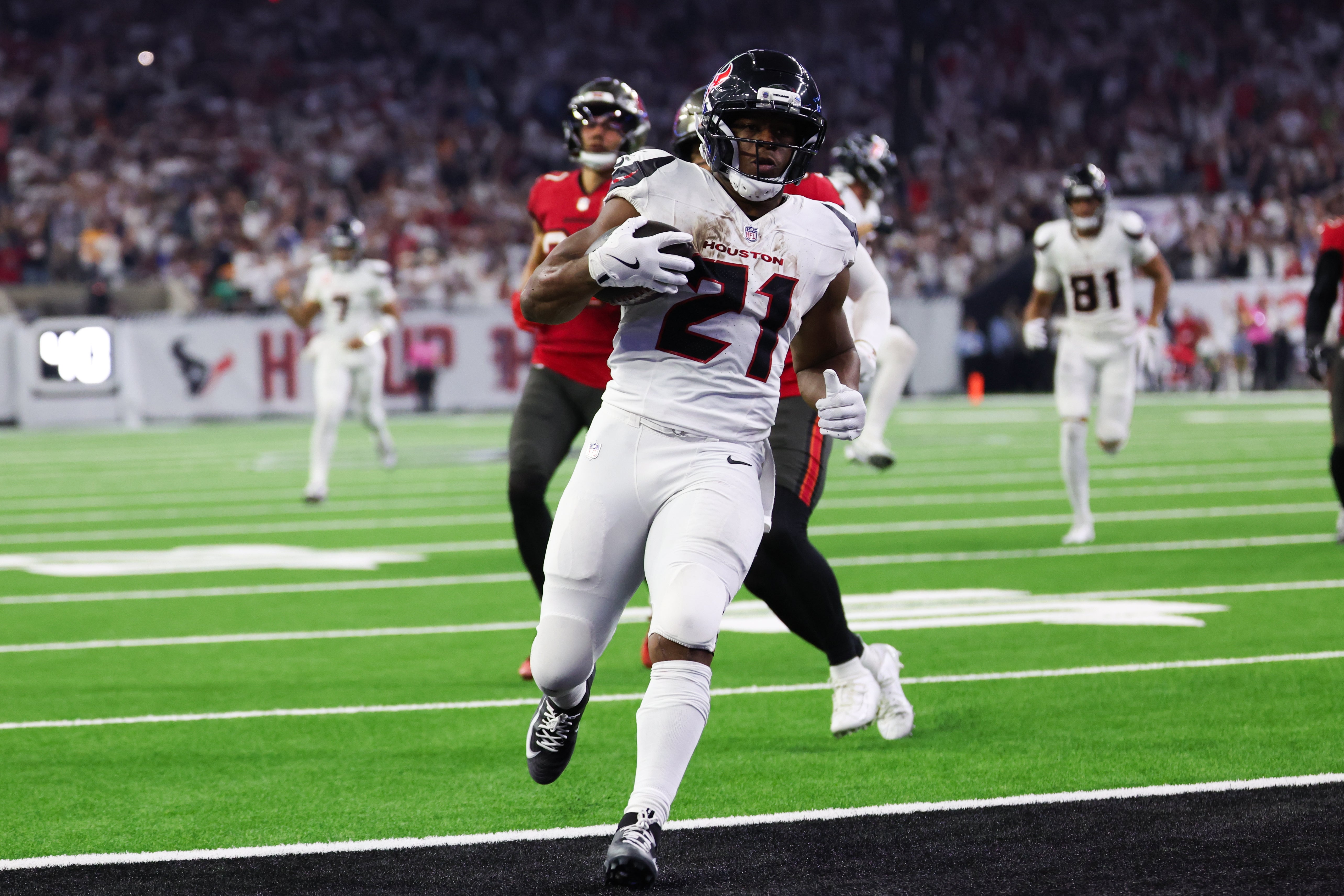
Once Nick Chubb crossed the goal line and gave the Houston Texans a 19-14 lead over the Tampa Bay Buccaneers with 2:10 left the game, the question of whether or not he should’ve taken a knee so the Texans could kill more clock immediately arose.
The answer? No, he shouldn’t have taken a knee. Not in this situation.
Taking a knee instead of scoring points is becoming more and more frequent in the NFL, especially in tight games like this. In the right situations, it makes all the sense in the world, too. If you have the capability to extend your lead, but not to the point where it’s a multi-possession lead, then you should try and run as much clock out as possible before the go-ahead score.
That wasn’t the case on Monday night and a simple round of math makes it easy to see why Chubb had to score the touchdown.
In the ideal kneel-down situation, a player will likely kneel inside the five-yard line in order to ensure as close a field goal attempt or goal-to-go possession. With the Texans down a point, a kneel-down and then forcing the Bucs to use their timeouts makes sense whether it ends in a touchdown or a field goal because they’d have the lead, either way.
However, here’s the key with kneeling inside the five and setting up a goal-to-go scenario: The Texans aren’t going to get a first down unless the Bucs are flagged for some kind of penalty that gives the Texans an automatic first down. Therefore, it’s not like the Texans could gotten a first down and then ran the clock all the way down to a second or something like that. No matter what happened, the Texans were going to burn minimal time off the clock, at best, if Chubb kneeled.
There’s also the matter of the two-minute warning. The Bucs really had four timeouts and if the Texans just ran it all three times and kicked a field goal, we’re talking about Baker Mayfield and Co. getting the ball back with nearly two minutes left on the clock, one timeout, and only needing a field goal to win the game.
On the flip side, if the Texans scored a hypothetical touchdown, we’d almost be in the exact same spot we were after Chubb scored the actual touchdown. Sure, the Bucs would have two fewer timeouts, but they’d still have plenty of time, plus one timeout, to try and score the game-winning touchdown.
There’s also the fact the Bucs only used one of their timeouts in the real-life game-winning drive, anyway. It’s the hypothetical goal-to-go situation that puts Chubb’s decision in the right light. He put his team in the best spot to win the game.
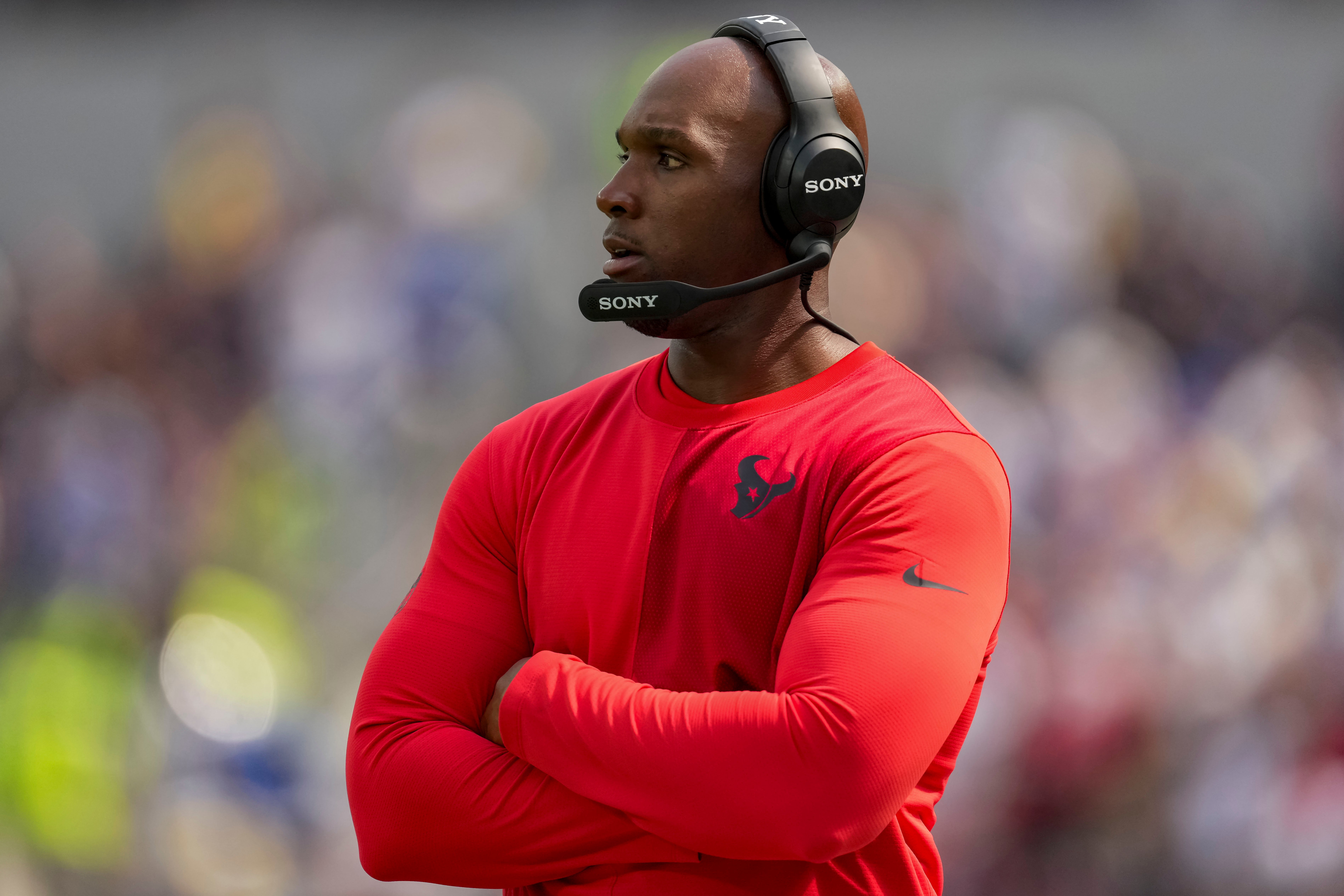
“At that point just go score,” DeMeco Ryans told reporters after the game. “Everybody can go back at it, second guess what do you do at that point. We got to make a stop. We had enough time. We had enough time to win the game. That wasn’t the issue.”
And then the Texans defense gave up a 4th and 10 to Mayfield’s legs and that was all she wrote. Ultimately, it was the Texans defense that let the team down when it mattered most – Chubb didn’t make the wrong call.
Houston Texans News
‘It’s just senseless’ – DeMeco Ryans calls out Texans’ chronic problem that will keep them out of the playoffs if it doesn’t get fixed
Houston has to fix its penalty issues.