
Jaguars put themselves in a conundrum with Calvin Ridley and Josh Allen
The Jacksonville Jaguars have been able to acquire talent over the last few years, but the next question in their roster-building process is how to retain it. And maybe the biggest conundrum of the next offseason will be how general manager Trent Baalke handles the situation with wide receiver Calvin Ridley and edge defender Josh […]


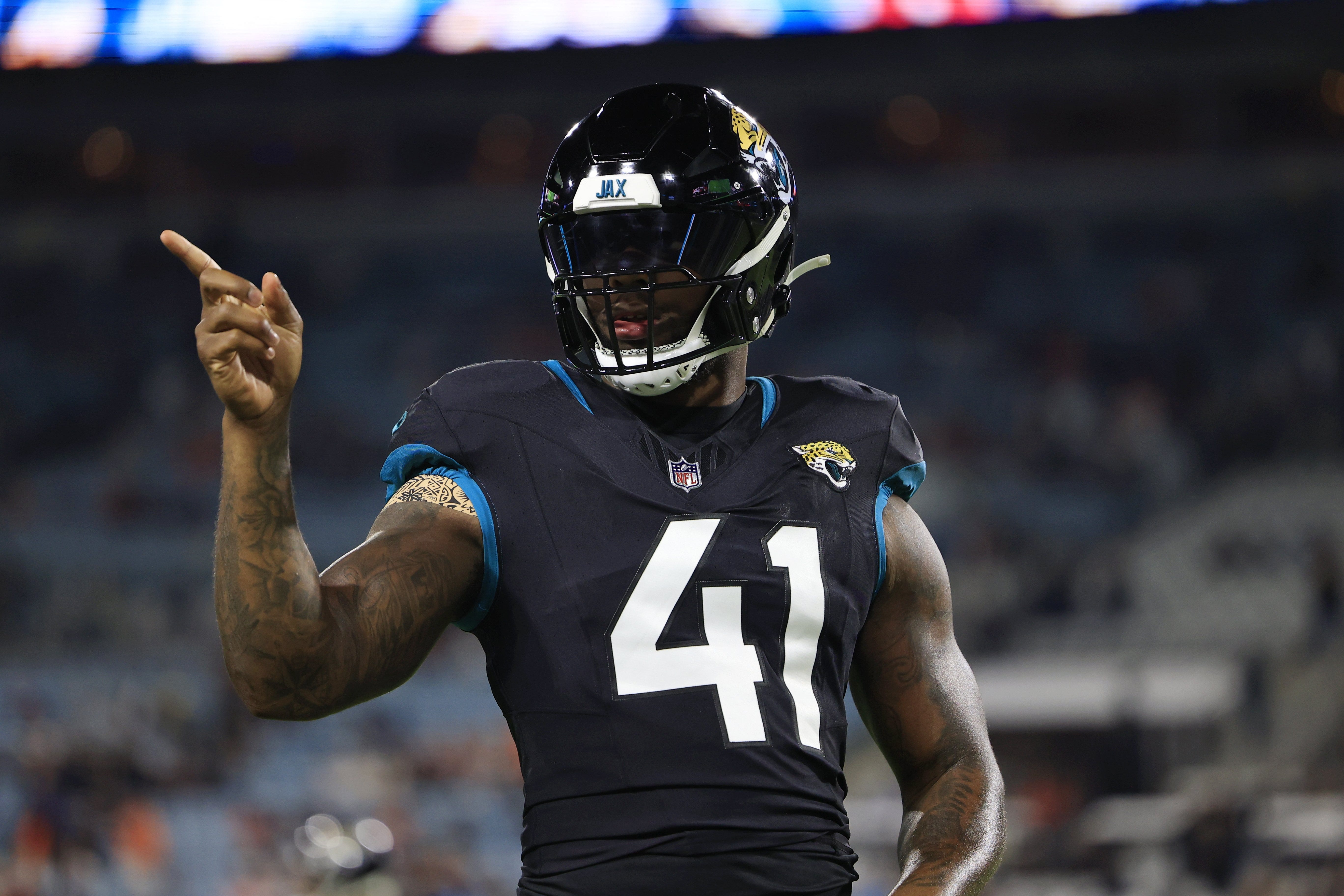
The Jacksonville Jaguars have been able to acquire talent over the last few years, but the next question in their roster-building process is how to retain it. And maybe the biggest conundrum of the next offseason will be how general manager Trent Baalke handles the situation with wide receiver Calvin Ridley and edge defender Josh Allen.
What's the issue
The Jaguars could have re-signed Josh Allen already, but they haven't. Now, the edge defender is playing under his fifth-year option and slated to be an unrestricted free agent in March.
Meanwhile, other first-round edges from the same draft class have already signed new deals: Nick Bosa (San Francisco 49ers), Rashan Gary (Green Bay Packers), and Montez Sweat (Chicago Bears, after being acquired from the Washington Commanders).
Now, Allen's negotiation floor is Sweat's deal in Chicago: a four-year, $98 million deal — a $24.5 million yearly average, with $42 million guaranteed at signing.
It's not an absurd value, especially for such a productive player. This season, Allen has an 89.5 PFF grade, including an 89.1 pass rush grade. He's had 13.5 sacks and 77 pressures this season — numbers much better than Sweat and Gary. But the Jaguars haven't been willing to close out the deal, and it will become more expensive the more the team waits.
Ridley trade
The Jaguars acquired Calvin Ridley at the deadline in 2022 from the Atlanta Falcons for conditional 2023 sixth-round and 2024 fourth-round picks. Both picks could be higher, though. The 2023 pick became a fifth-rounder when Ridley was reinstated by the NFL. Next year's pick becomes a third if Ridley reaches undisclosed playing time marks — which he will likely do —, and a second if the parties agree to an extension.
The exact details of the deal haven't been disclosed, but PFF's cap analyst Brad Spielberger is operating under the assumption that a franchise tag wouldn't be enough to elevate the Falcons compensation to a second-rounder.
With this in mind, it would be smart for the Jaguars to use the franchise tag on Ridley, keeping the higher pick, and extending him later on.
That would make sense for several reasons. The first one, aforementioned, is the draft capital consideration. The other is that Ridley hasn't proved to be an elite receiver. This season, his first one playing for Jacksonville, he's had 781 yards over 14 games. He's had three 100-yard games, but also eight games with 40 or fewer yards — his inconsistency, therefore, may be considered a red flag.
But he has similar numbers to Christian Kirk, whom the Jaguars signed last year for $18 million per season. Would the Jaguars feel comfortable spending almost $40 million annually between Kirk and Ridley?
What happens
If the Jaguars reach the offseason without a resolution for either Josh Allen and Calvin Ridley, both would have more leverage over the team management. Knowing the Jaguars can't use two franchise tags and that they probably don't want to lose a second-round pick instead of a third, Allen would use the circumstance to ask for a salary closer to Nick Bosa’s.
The best-case scenario for Jacksonville at this point would be to extend Allen as soon as possible, because it will only get more expensive, and free up the franchise tag for Ridley.
It's a complicated situation they put themselves into by executing a conditional trade and by not extending Josh Allen earlier, and that will determine how they will manage their resources moving forward.
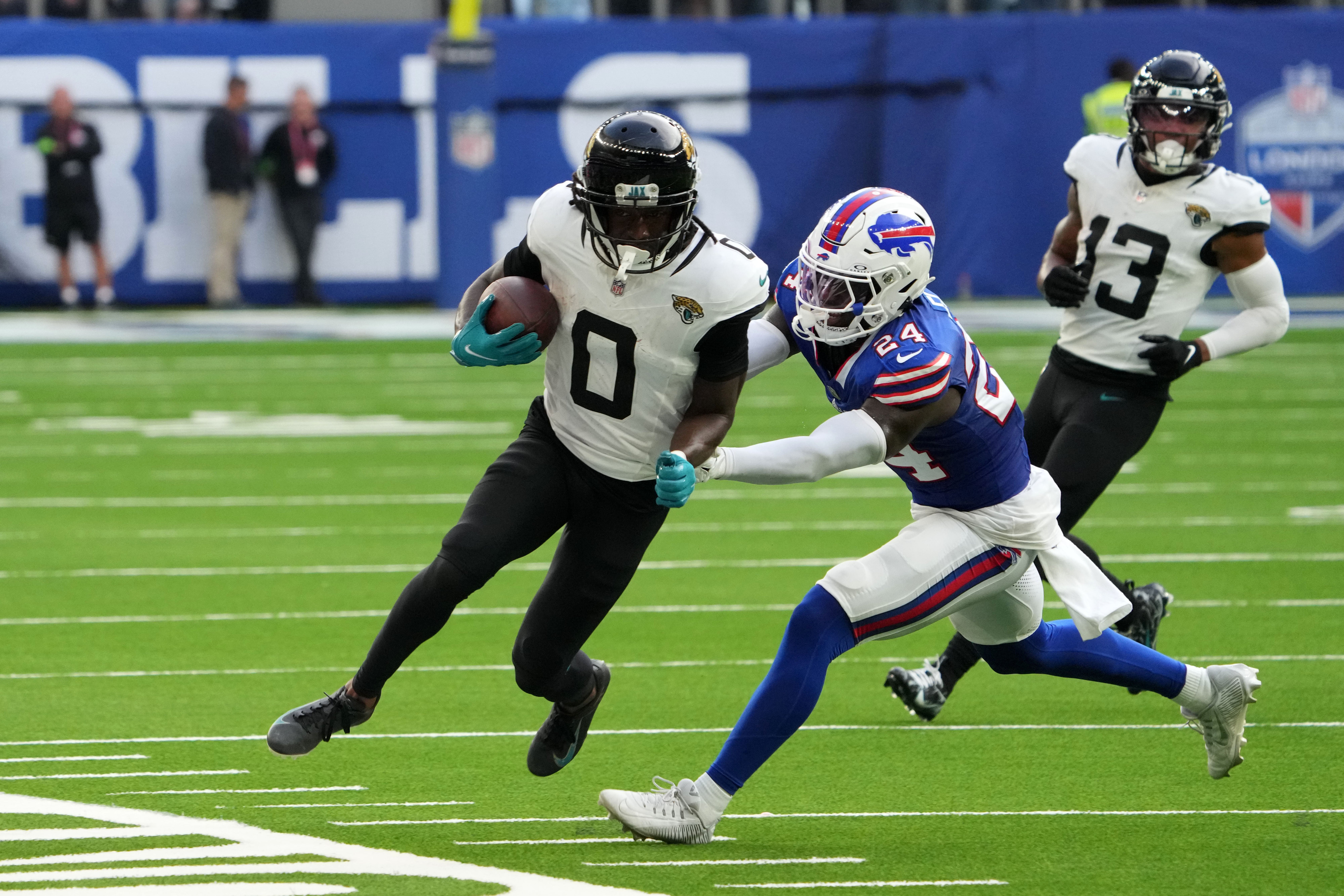
Calvin Ridley’s trade still impacts Jaguars’ long-term plans
WR is slated to be a free agent


