
The Dolphins took a subtle risk with their 2025 roster, and two new faces could quietly tilt the outcome
It wasn't all that long ago that the Miami Dolphins were an afterthought in the compensatory pick realm of offseason strategy. The Dolphins have historically been big spenders in free agency throughout the past two decades, but that shift has evolved in recent years. Miami's been much more selective with free agents over the past […]


It wasn't all that long ago that the Miami Dolphins were an afterthought in the compensatory pick realm of offseason strategy.
The Dolphins have historically been big spenders in free agency throughout the past two decades, but that shift has evolved in recent years. Miami's been much more selective with free agents over the past three offseasons. As a result, the team has suddenly been able to strategize its signings as a way to attack additional draft selections via the league's compensatory pick system.
Compensatory picks are designed to offset free agent losses to NFL teams. Players are valued primarily on their contracts, and then weighted for accolades and playing time.
This system was a major talking point for the Miami Dolphins in 2024 in more ways than one, as Miami bid farewell to names like Christian Wilkins & Robert Hunt that spring. The team's conservative spending on the open market positioned the team to collect some of the highest valued compensatory picks in the system for the 2025 NFL Draft.
But Miami's decision not to spend aggressively for a backup quarterback, which was necessary to avoid offsetting one of those two premier picks, bit the team in the rear. A better backup may have saved a few of Miami's losses last season when playing without Tua Tagovailoa.
The Dolphins are positioned again this season to potentially cash on a compensatory pick for the departure of Jevon Holland, which would give Miami four rewarded compensatory picks in two years (with an additional 2026 pick also hanging in the balance) after a dry spell that saw Miami get awarded picks in 2020 (for 2019 departures) and 2017 (for 2016 departures) across a ten-year period.
But based off the most recent update from the most accurate forecast on the internet, Miami's pick assignments are no sure thing — but the team does have a hedge in place.
2026 Compensatory Pick Projection
Nick Korte of Over The Cap is the marquee destination for compensatory pick projections. He's essentially played a hand in reverse engineering the formula that the NFL uses to quantify player losses and is typically on the nose with his forecasts.
The variance of this year's projection is high for a few reasons, first and foremost because playing time does dictate the values and there's a whole season ahead of us. But it's also worth noting that there are higher than normal "bubble" players this year, which is where Miami found a great deal of their free agent signings this offseason.
If things don't go well with some of Miami's bubble signings, the Dolphins will be well positioned to secure a pick. But if a few of Miami's bubble players stay on the field and perform well, Miami may be out of any compensatory draft picks all together.
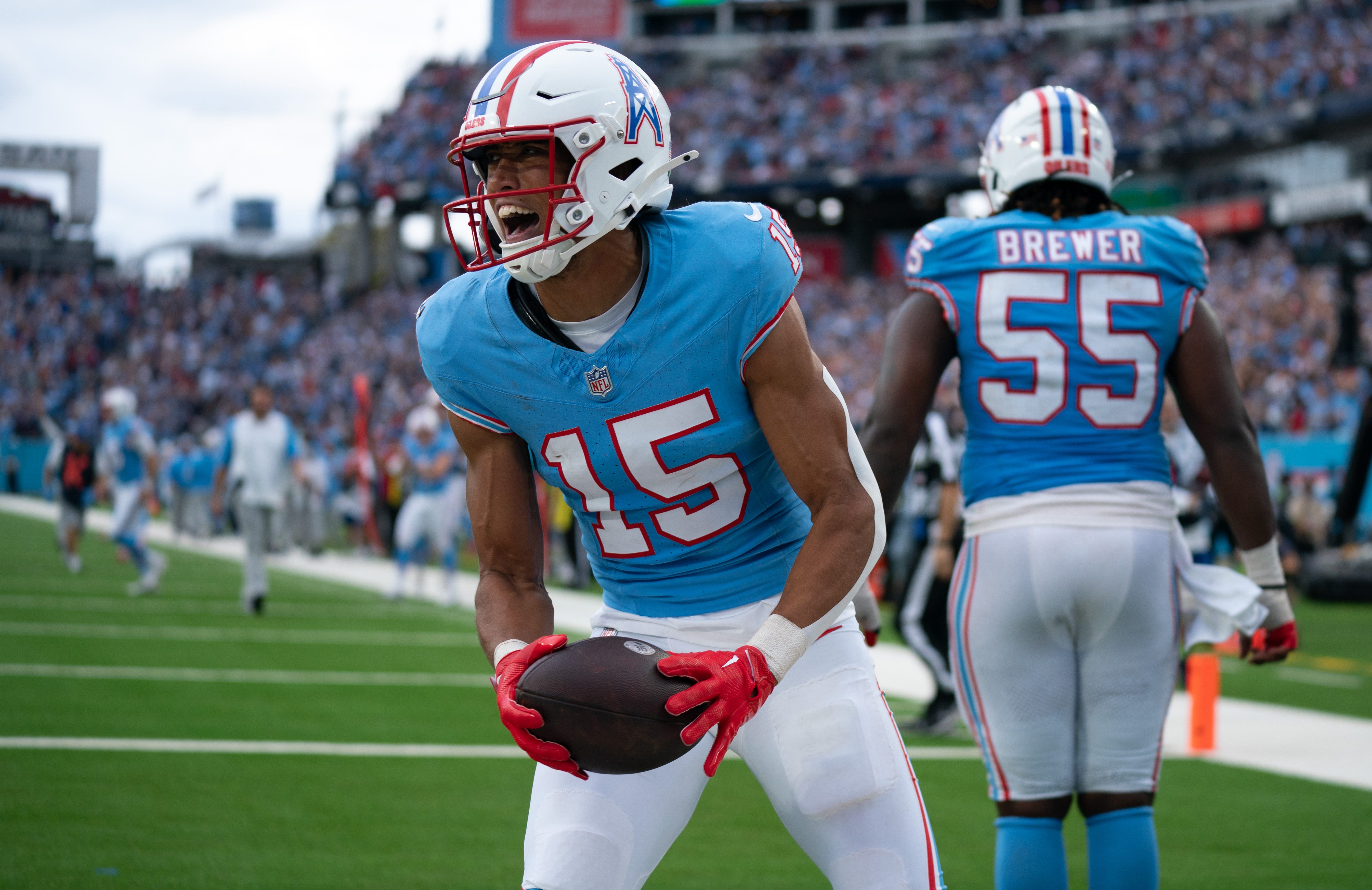
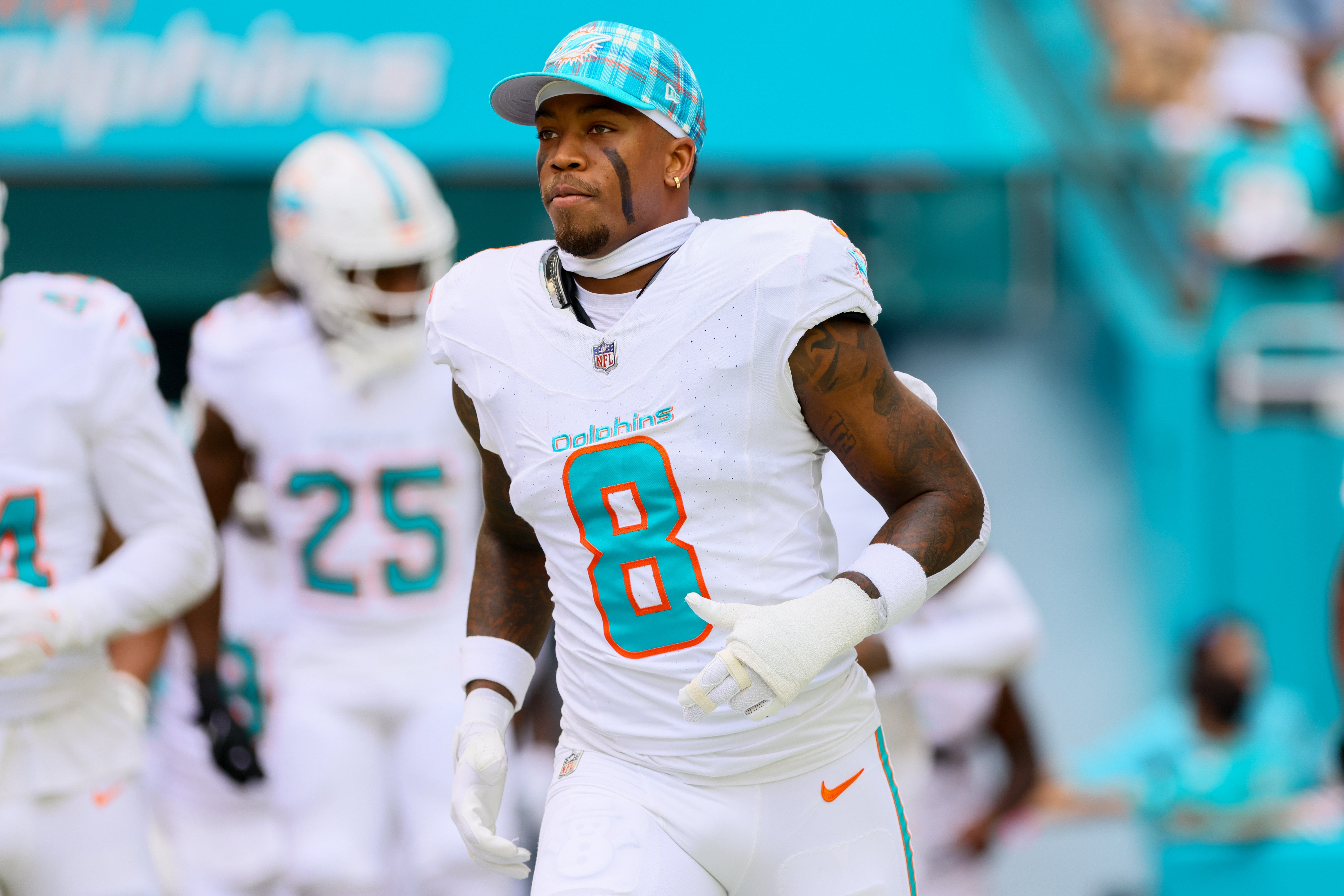
"The Dolphins have one 4th round pick for Jevon Holland going to the Giants to focus on, and whether or not they get it hinges on how much they play the aforementioned Melifonwu from the Lions, and also how much they play Nick Westbrook-Ikhine at WR3 alongside Tyreek Hill and Jaylen Waddle. They would lose the 4th rounder if both play enough to qualify."
– Nick Korte, Over The Cap
Korte's projection has Miami landing a fourth-round pick for Holland and a seventh-round pick for Emmanuel Ogbah in the "best case scenario". But if names like Nick Westbrook-Ikhine and Ifeatu Melifonwu play high volumes of snaps for Miami, they could both be marked as a "qualifying addition" in free agency — and in this outcome, they would offset the losses of both Ogbah and Holland, even though Holland signed for $15 million per season in New York.
This risk underscores why Miami took the bet they did about not paying a backup quarterback in 2024. It doesn't excuse the decision from playing a hand in putting the season in the gutter, but consider the alternative. Had Miami not signed Zach Wilson on a $6 million contract this offseason, the worst case scenario would still ensure the Dolphins a net gains & losses ledger that would have the Holland pick protected. That's what Miami chose to do last offseason — it just didn't work out.
Such is life. Miami made the strategic decision to not repeat the risk it took last year. But the silver lining will be that if Nick Westbrook-Ikhine and Ifeatu Melifonwu play enough to qualify, the odds are pretty good that they're playing good football. And two good players here and now on value contracts may be worth the cost of not seeing a projected fourth-round pick come to life.
Jonnu Smith’s breakout with the Dolphins hides a surprising stat that complicates how Miami should approach negotiations
The Miami Dolphins got exactly what they were hoping for when they added tight end Jonnu Smith to their roster last offseason. A large focus for the Miami Dolphins coming out of 2023 was having an answer for when teams cheated their coverages towards Tyreek Hill and Jaylen Waddle. The hope, at the time, was […]


