The most alarming part of the Dolphins’ Tua Tagovailoa saga this week is a subtle but unsettling detail that complicates one of Miami’s options for 2026
Amid the chaos, one quote in particular should raise alarm bells for outcomes that involve Tagovailoa back in Miami in 2026.


The Miami Dolphins have become the latest NFL embodiment of “stuck between a rock and a hard place.” The rock, in this case, is the play in 2025 by quarterback Tua Tagovailoa — an issue that has ranged from concerning to frustrating to untenable on the spectrum since the first game of the year.
The hard place? The contract extension the Dolphins gave to Tagovailoa nearly a year and a half ago. He’s got three more seasons left on that deal. 2026’s compensation totals $54 million in fully guaranteed new money.
Tagovailoa heads to the bench for the final three weeks of this season with that fact looming on the horizon like a dark cloud. And, as is the case with everything about Tagovailoa since he arrived in Miami in 2020, opinions are all over the board on what will happen next.
But the most concerning quote about the 2026 outcomes for the Dolphins in this saga came from NFL insider Tom Pelissero in a recent interview on The Rich Eisen Show. It raises questions about one of the paths Miami can take in 2026 amid looming guarantees.
Most alarming update about the Tua Tagovailoa situation seems to be flying under the radar amid this week’s chaos
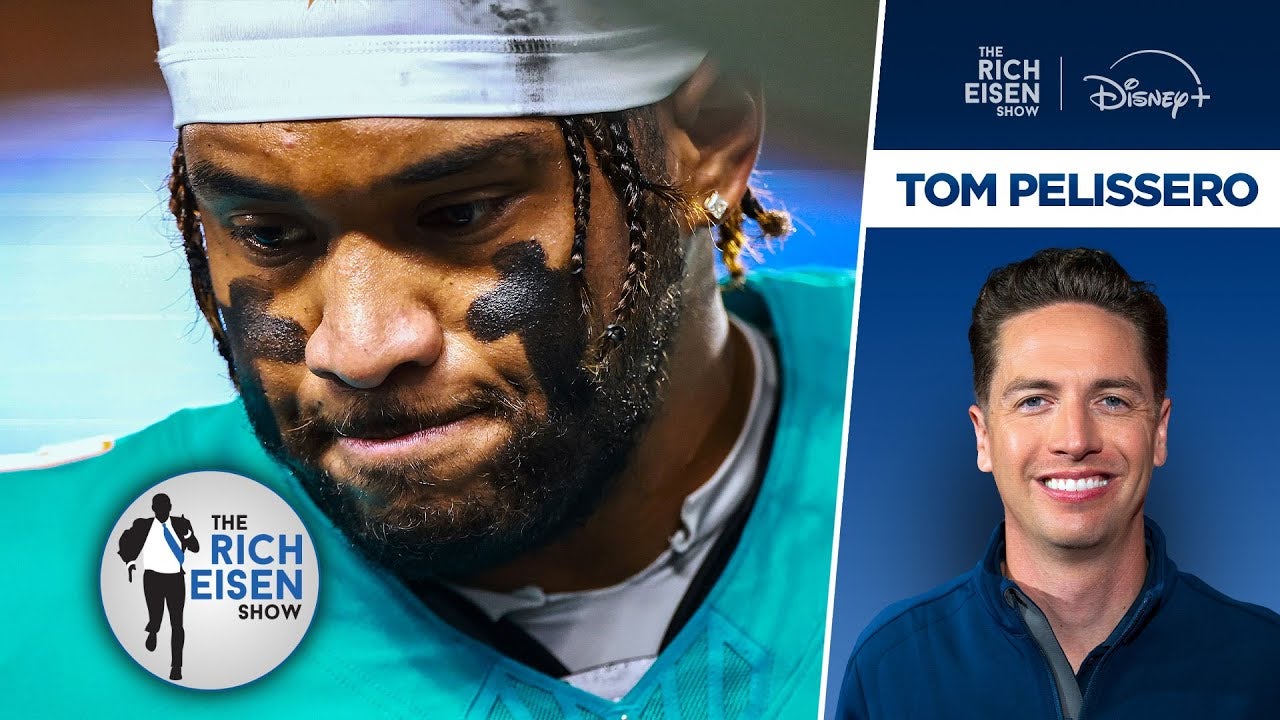
“It became abundantly clear on a lot of different levels here that this was not the same Tua that we have seen in the past. And the difference you saw on the field is also the difference (the Dolphins) had seen off the field. In terms of where this goes from here for Tua, he is under contract next year for $54 million, fully guaranteed.” — NFL Network’s Tom Pelissero on Dolphins QB Tua Tagovailoa
Poor play is one thing. But what Pelissero touches on here should raise some major questions. The Dolphins saw differences in Tagovailoa “off the field” this year that indicated he was not the same as years prior?
It would be irresponsible to openly speculate on such things without firsthand information from those within the building, so I’ll opt not to put a tin foil hat on here and start rattling off the different ways the Dolphins could have seen concerning regression off the field.
Instead, let’s focus on what that means for the proposed pathway of a return in 2026. Many feel that if the Dolphins compensate Tagovailoa with as much money as they are, they should simply bring him back in 2026. No questions asked. For that pay, you’re here, and you play if needed. If this were simply a matter of poor performance and a slump, I would agree.
But when you start layering in challenges like a potential return for Mike McDaniel in 2026, the possible distractions for a team trying to breathe life into a new chapter of the team, these off field regressions that Pelissero is alluding to, and an additional $20 million in 2027 compensation that is currently guaranteed to Tagovailoa in case of major injury, there’s an increasingly compelling argument to be made that the Dolphins should cut their losses.
Miami Dolphins’ options with QB Tua Tagovailoa for 2026
- Retain Tagovailoa for 2026 on the roster, which would risk $20 million in injury guarantees for 2027 season if he were injured
- Find a trade partner by buying down vast majority of his fully guaranteed 2026 salary ($54 million) — likely must be executed after June 1st for salary cap reasons
- Designate Tagovailoa as a Post-June 1 cut this March to avoid triggering an additional $3 million guaranteed in 2027 and split the salary cap charge between 2026 and 2027 seasons
The relationship with McDaniel is clearly frayed. The quarterback and coach were not on the same page in several early-season post-game press conferences regarding mistakes and errors. The Dolphins’ leadership pressed Tagovailoa publicly last winter about his play and protecting himself to stay on the field. And now Tagovailoa has been benched in favor of a seventh-round rookie, with McDaniel pointing to the need for “convicted quarterback play.” Bringing both parties back together in 2026 feels like a horrible idea at this stage.
Some have argued that a return to play in 2026 would not create any distractions — after all, teams like the Atlanta Falcons have navigated a complex return with someone like Kirk Cousins this past offseason. And while there are some parallels there, the Falcons signed Cousins and, in the same offseason, drafted Michael Penix Jr. with a top-eight pick. Cousins was not a long-tenured, and at one time beloved, franchise quarterback the way that Tagovailoa was. It is a different level of investment from the fan base than the situation in Atlanta.
And then, of course, there’s whatever Pelissero is talking about. It’s hard to properly quantify the potential impact on 2026 without knowing how Miami has seen a different Tagovailoa off the field than in years past. But is it fixable? How likely is it to be fixable? What kinds of changes could be made to address it?
The more I think about it, the more questions I have. So instead, maybe it’s best to defer to Pelissero’s final thoughts on the matter during his same interview with Eisen this past week. Pelissero has surely heard some of what those issues could be during his information gathering.
“It’s pretty apparent that Tua, in all likelihood, has played his final down in Miami.”
Alrighty.
Miami Dolphins News
If the bottom falls out, the Dolphins are staring at a unique opportunity that has defined eras in Miami — for better or worse
A bad three weeks would put the Dolphins in position to make a critical decision for their future this spring.