
Vikings' stance on Aaron Rodgers is now clear, and the decision turned out to be exactly what most expected
Aaron Rodgers won’t follow Brett Favre’s path after all. Not because he didn’t want to, but because the Minnesota Vikings decided the team will move in another direction at quarterback.The veteran was interested in joining his former NFC North rival, but the Vikings will enter 2025 with last year’s first-round pick J.J. McCarthy as their […]


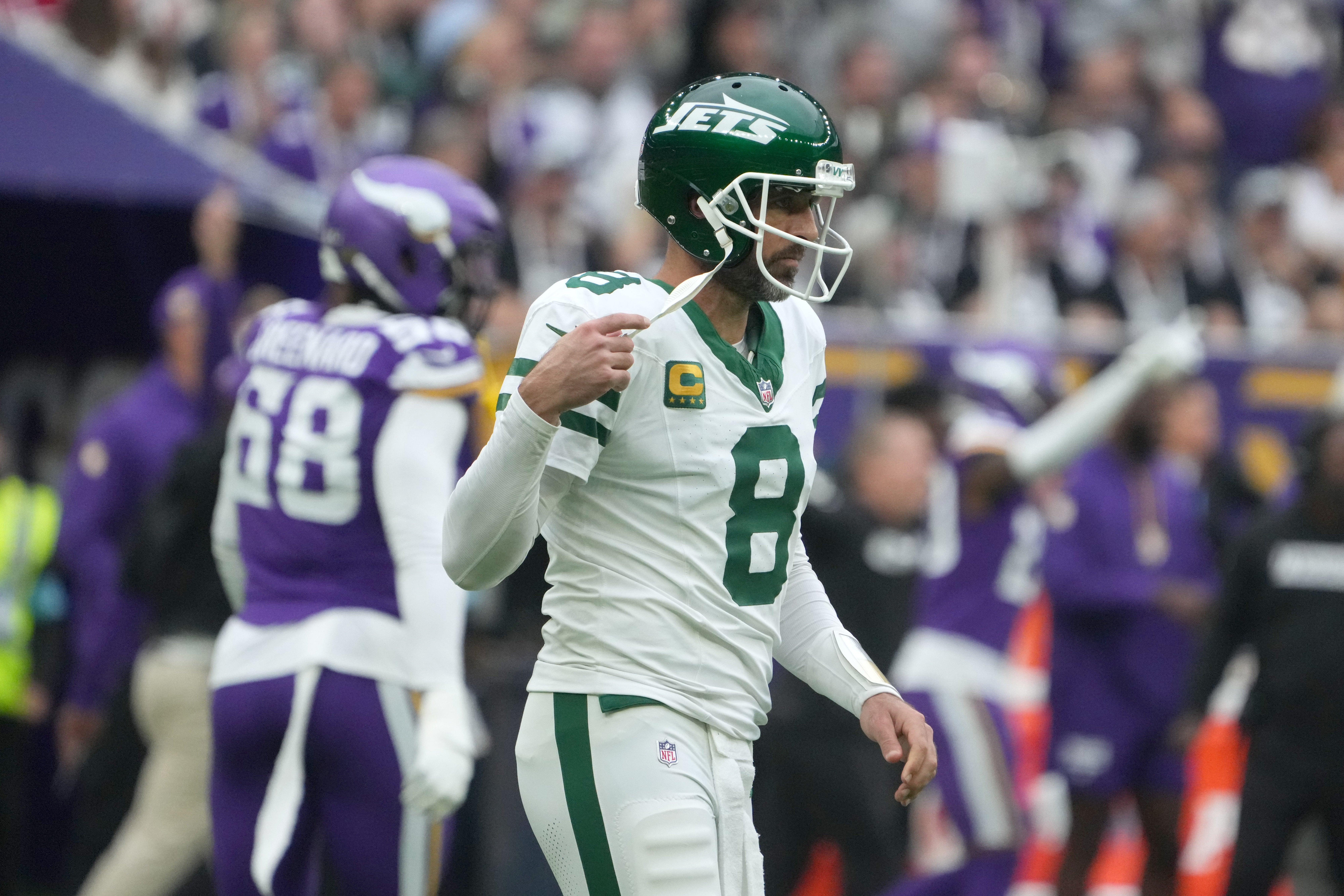
Aaron Rodgers won’t follow Brett Favre’s path after all. Not because he didn’t want to, but because the Minnesota Vikings decided the team will move in another direction at quarterback.
The veteran was interested in joining his former NFC North rival, but the Vikings will enter 2025 with last year’s first-round pick J.J. McCarthy as their starter. According to NFL Network’s insider Tom Pelissero, Rodgers is out of the equation now.
The Vikings will still look to add a veteran quarterback to the room after losing Sam Darnold to the Seattle Seahawks in free agency, but it will be a player with experience to be behind McCarthy. Some options on the market now include Jameis Winston and Carson Wentz, for instance.
But that’s what they would be, capable backups. If signed, Aaron Rodgers would obviously be the starter, and that would preclude McCarthy from starting in the first half of his rookie contract.
Other options
Now that the Vikings are out, Aaron Rodgers is free to make a decision on the teams that do want him, the Pittsburgh Steelers and the New York Giants. Both teams are willing to wait on the veteran to make his final call.
The Giants had contact with Russell Wilson and Jameis Winston, but Rodgers is still their Plan A.
At 41, Rodgers saw the Vikings as his best chance to compete for a Super Bowl title. However, Minnesota has a different plan. Now, for Rodgers, the time is coming to make a final determination about his short-term future.
Aaron Rodgers spent two seasons on the New York Jets, but because of his Achilles injury, played significant time only last year.
As he's always been throughout his career, Aaron Rodgers was still good at limiting turnovers. He was fifth in turnover-worthy play rate (1.8), but the ability to create big plays was limited—16th in big-time throw rate (4.2). Rodgers also tends to be more willing to make shorter throws, and his average depth of target was 35th (7.3), a byproduct of both his style and the lack of protection upfront. Rodgers was 19th in EPA/play and 24th in success rate.
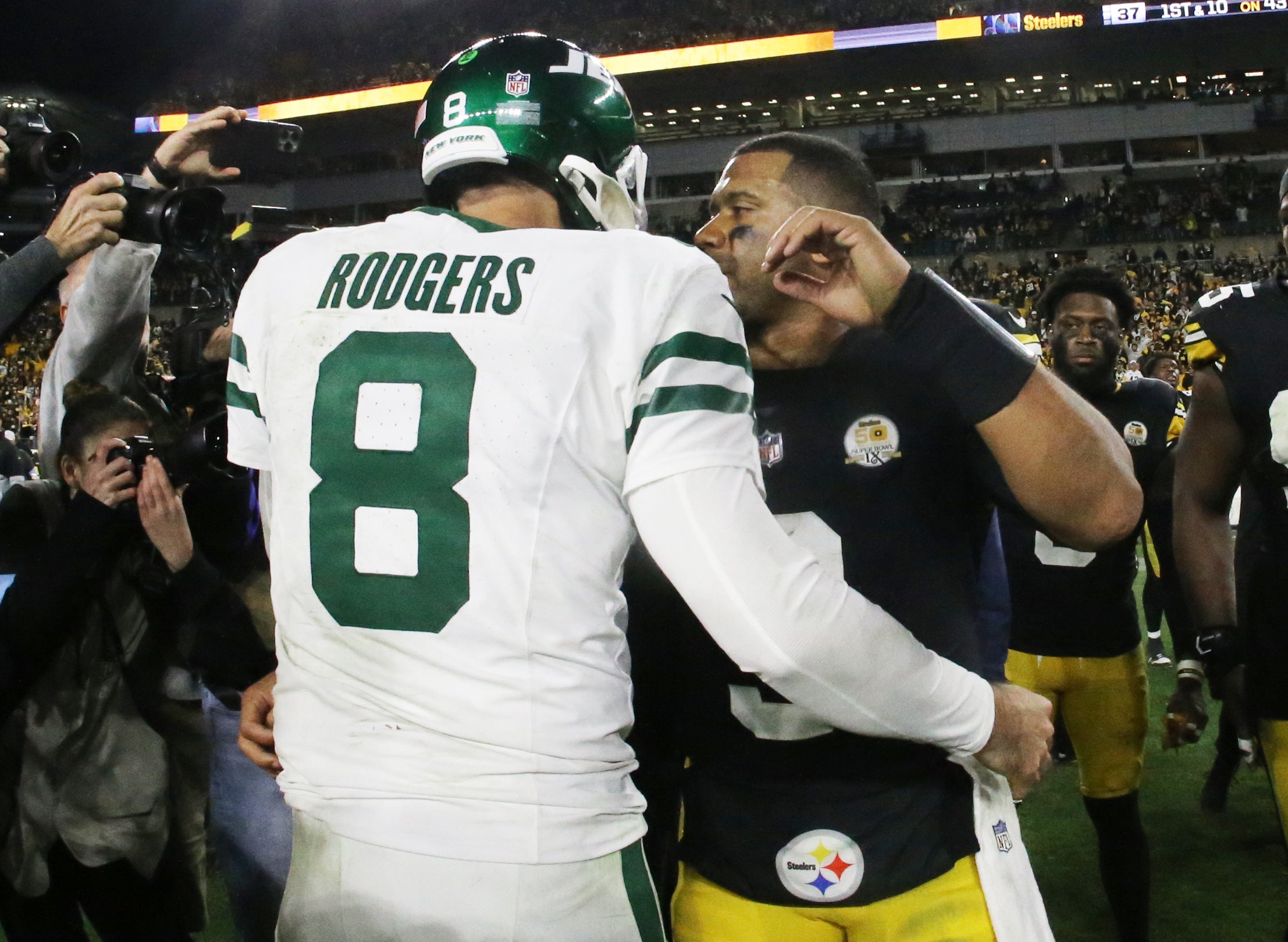
Aaron Rodgers vs. Russell Wilson: Breaking down their 2024 performances and what they can offer to teams like Steelers and Giants
Veteran quarterbacks are still considering their options


