
3 ways the Mets can immediately fix major issues plaguing the team
The 2023 season hasn't gone to plan so far for the New York Mets as they've stumbled their way to a 27-27 record on Memorial Day (good enough for third place in the NL East). New York entered the season with grand expectations thanks to their league-leading payroll that dwarfs the spending of most teams. […]


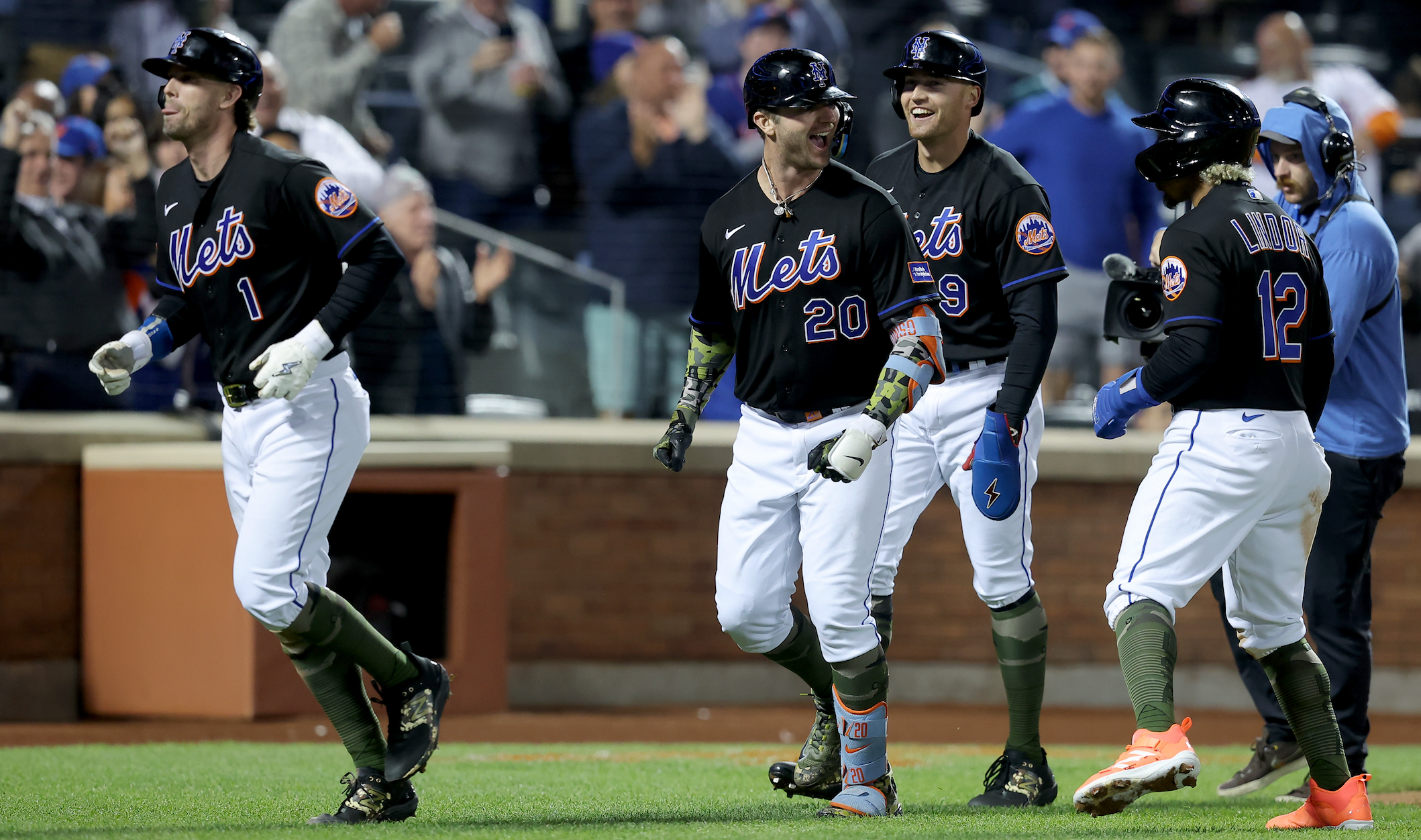
The 2023 season hasn't gone to plan so far for the New York Mets as they've stumbled their way to a 27-27 record on Memorial Day (good enough for third place in the NL East).
New York entered the season with grand expectations thanks to their league-leading payroll that dwarfs the spending of most teams.
The Mets' large payroll, however, isn't necessarily the result of wise spending.
New York has several questionable contracts on the books. Starting pitchers Max Scherzer and Justin Verlander, who have been on this planet for a combined 78 years, are each making north of $40 million.
The "co-aces" have already missed a combined seven starts and it's not even June yet. For the Mets to reach their full potential, they'll need Scherzer and Verlander to be "as advertised" the rest of the season (Scherzer's last two starts were solid while Verlander gave up six runs to the Colorado Rockies in his last start).
New York is also still paying a combined $34.5 million to three players who are no longer on the roster — Robinson Cano, Darin Ruf, and James McCann.
The problems for the Mets have mostly been the result of the team failing to put it all together in the same game. Rarely have the Mets received good performances from their starting pitching, bullpen, and lineup on the same night. Their recent series loss to the lowly Rockies was a microcosm of New York's season so far. The Mets' lineup showed its potential by scoring 22 runs in three games. But aside from a solid outing by Scherzer in a 5-2 win in the first game of the series, the pitching was disastrous. New York gave up 21 runs in the final two games of the series (a 10-7 loss and an 11-10 loss).
Fortunately for the Mets, the season is far from over. But if they're going to turn things around and play like the team that has the highest payroll in baseball, there are a few moves/decisions they need to make ASAP.
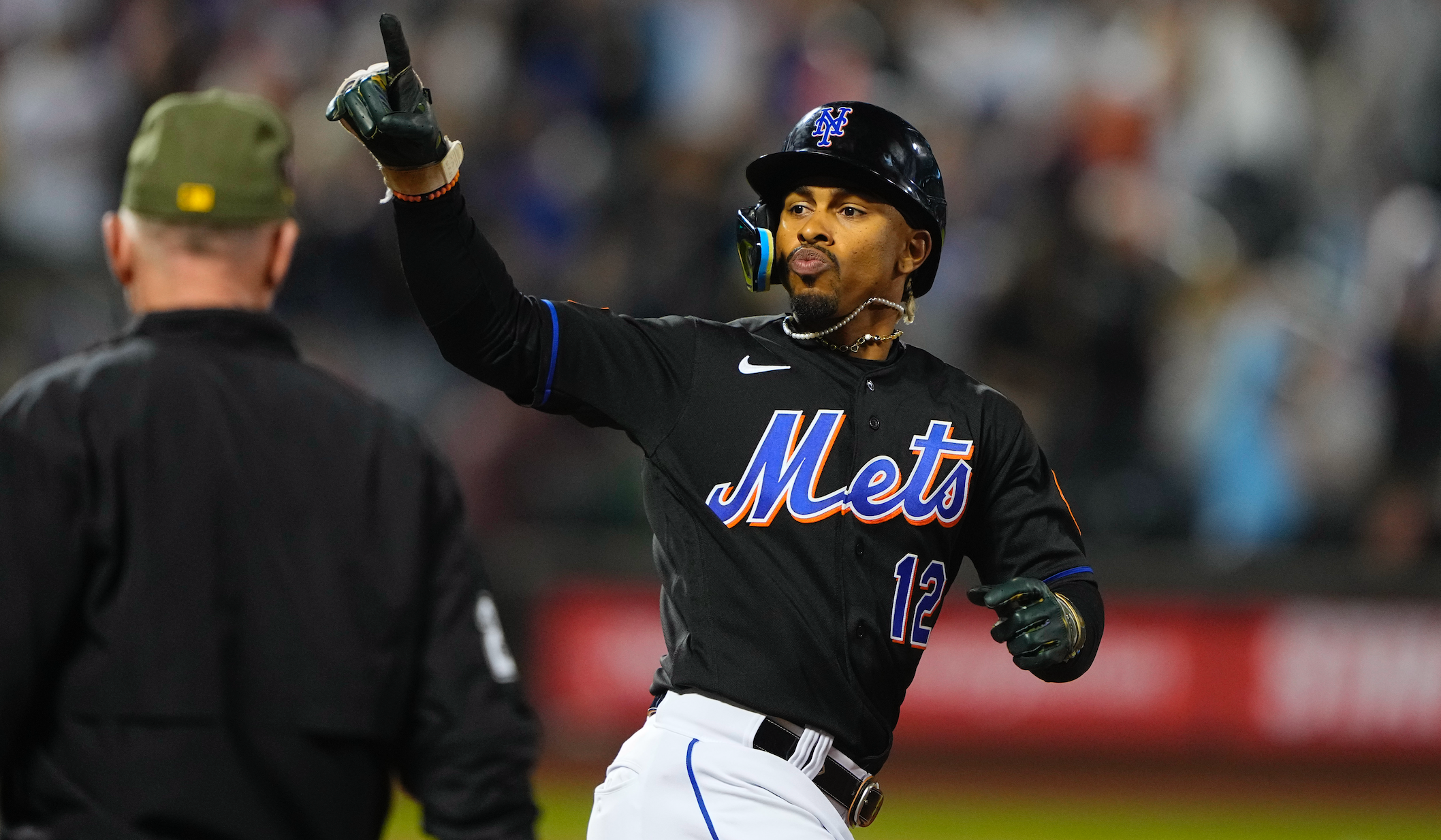
1. Address starting pitching
The starting pitching has been a massive letdown for the Mets this season. No one in the rotation has been able to show any consistency (it doesn't help that offseason free-agent addition José Quintana has yet to pitch a game this season, though he's hoping to return to action by early July).
Tylor Megill has had mixed results while filling in as a starter for the Mets. David Peterson was disastrous during his time in the rotation. And Kodai Senga, while he's flashed at times, has been mostly inconsistent as his ERA currently sits at 3.94.
Speaking of Senga, the Mets have tried to give the 30-year-old from Japan as much extra rest as possible. Senga was accustomed to starting just once a week in Japan.
Because of Senga's situation and the advanced age of the rest of the Mets' rotation, New York could benefit from deploying a six-man rotation. The only problem is that they really only have four starters right now (with Quintata sidelined) that they can somewhat rely on. The Mets would be wise to try to deal for a mid-rotation starter in June (perhaps they could work out a deal with the Chicago White Sox for someone like Michael Kopech or Lucas Giolito). If the Mets could add a mid-rotation starter, they could use someone for a couple of spot starts when needed in June (for extra rest for Senga) before moving to a six-man rotation for the rest of the season when Quintana returns.
The Mets could always look at adding a front-of-the-line starter closer to the trade deadline, but that would require giving up significant prospect capital. The Mets might be willing to move infielder Ronny Mauricio, but they would probably need to pair him with a top prospect from the lower levels of their farm system to acquire an elite starting pitcher (catcher Kevin Parada or outfielder Alex Ramirez, for example). I'm not sure that's something that New York will be willing to do as they've made building a sustainable farm system under owner Steve Cohen a priority.
2. Add some familiar faces to the bullpen
The Mets' bullpen was especially bad during the recent series in Colorado. Drew Smith gave up two runs during his appearance in the Mets' 10-7 loss on Saturday. That came after Jeff Brigham gave up two runs (and the lead) an inning earlier. On Sunday, with the game tied at six (New York led 6-2 before Megill gave up four runs), Stephen Nogosek gave up five runs in the fifth inning.
Outside of David Robertson, the Mets don't have a relief pitcher they can truly count on in a tight situation (even Adam Ottavino has been shaky in recent outings).
If the Mets can acquire a starter in June, they could then address their bullpen without making numerous trades that would require the team to give up prospects (the Mets will still need to trade for some bullpen help near the deadline, but they'll have to be creative until then).
Unfortunately for the Mets, they don't have many major-league-ready relief pitchers in the minors. But they currently have four "spot starters" in Megill, Peterson, Joey Lucchesi, and José Butto.
Butto is the youngest of those pitchers at 25 years old. At this point, it's probably fair to say that Megill, Peterson, and Lucchesi have maxed out their abilities as a starter. Butto still has some upside as a starter that the Mets might be able to tap into. Lucchesi might be the best option as a spot starter for now (though that's certainly debatable).
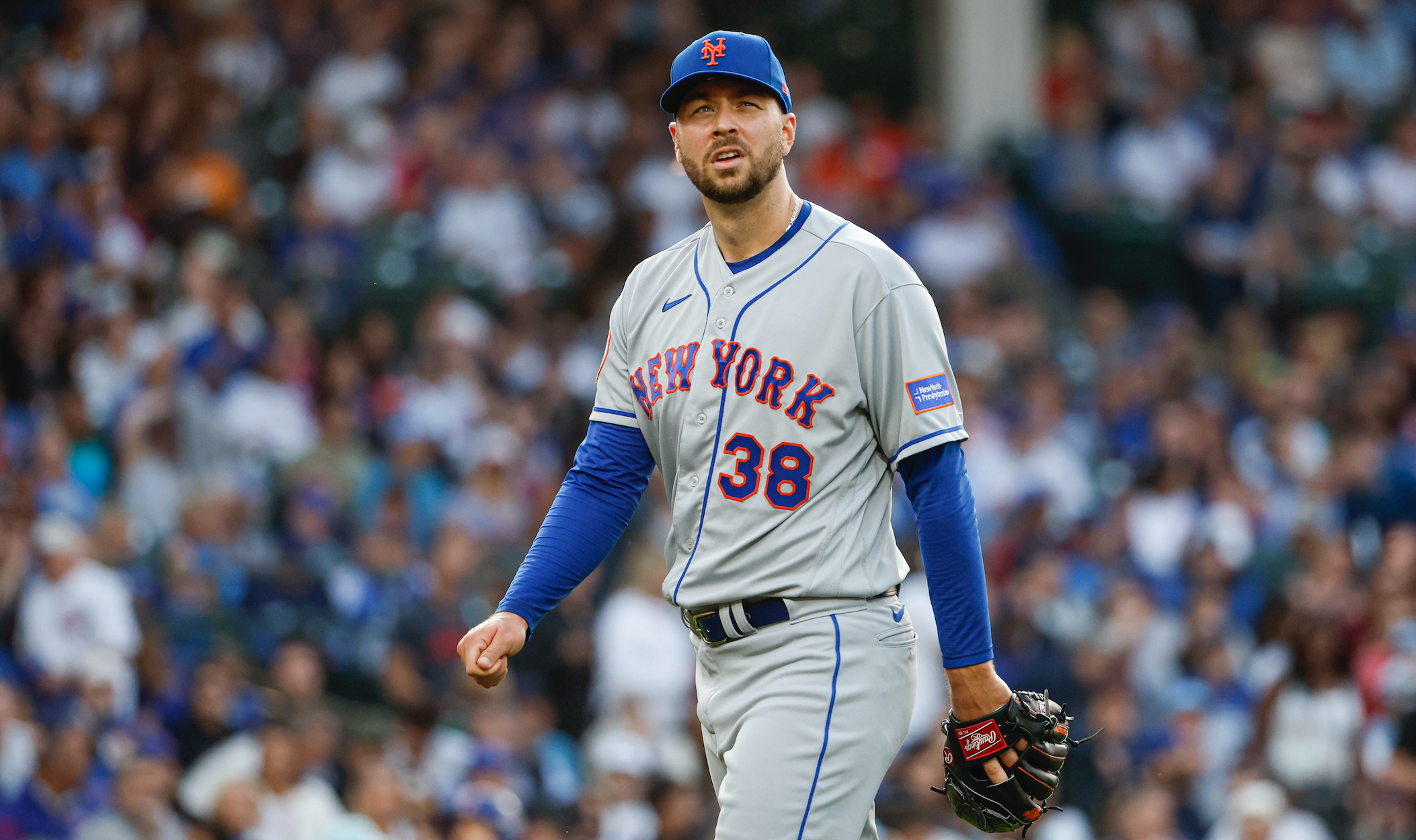
New York should strongly consider converting Megill and Peterson into full-time relief pitchers. Megill pitched in six games as a reliever late last season, giving up four runs over those six appearances (two runs in a game against the Brewers and two runs in a game against the Braves).
Peterson also pitched out of the bullpen a few times for the Mets last season, though he had a couple of ugly relief outings. But over his last three relief appearances, Peterson gave up zero runs and two hits in 3.2 innings.
Converting a starter to a reliever isn't as easy as just tossing a starting pitcher in the bullpen. It's a different role that requires a different mindset and approach. Megill and Peterson both have good stuff and they could be better suited for roles in the bullpen. But it's something they would need to fully commit to doing. If they can both embrace a bullpen role, it could help somewhat eliminate a major weakness for the Mets that seems to be getting worse.
3. It's time to settle on a mostly-permanent lineup
The Mets' offense has been much better over the last 10 days. That's mostly because first baseman Pete Alonso has been on a tear and rookie catcher Francisco Alvarez looks like a legitimate superstar. Rookie third baseman Brett Baty has also helped to add some length to the Mets' lineup.
One issue with the lineup that I've seen so far this season, however, is that manager Buck Showalter is seemingly going with a different lineup/batting order every night. I get where he's coming from — he doesn't want anyone getting stale on the bench. But the ever-changing lineups have prevented some players from finding their rhythm. It's tough for players when they show up every day to the ballpark not knowing where they'll be playing or hitting that night. There are always going to be off days to account for, but Showalter would be wise to go with a more permanent-looking lineup.
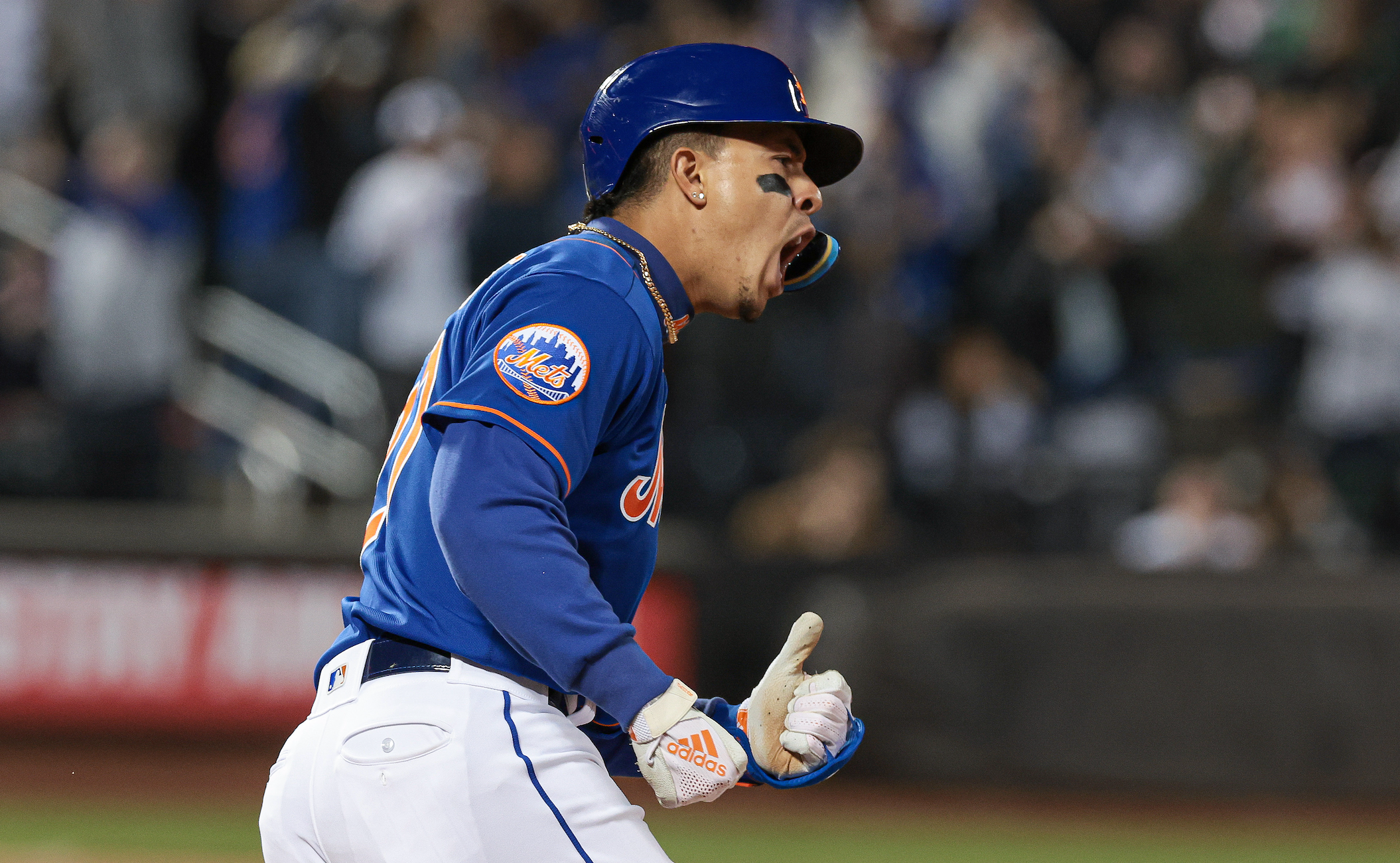
I'd suggest starting rookie infielder/DH Mark Vientos every day. If the Mets are going to find success, they need Vientos to show the hit tool that he showed in the minors. He's shown flashes since getting called up (a key home run against the Rays and an RBI single in extra innings against the Guardaians were positive signs, as were several hard-hit balls during Saturday's loss to the Rockies), but he's played sparingly since arriving in the big leagues earlier this month. Vientos, as a young player, is used to playing every day. He's never going to find a rhythm in the big leagues if he's playing just a couple of times per week. Considering the Mets have been getting very little production from the DH spot (an issue that dates back to last season), it's not a big risk to start Vientos every day.
The Mets should relegate DH Daniel Vogelbach to a full-time bench role. Vogelbach walks plenty and gets on base, but he watches far too many hittable pitches get called for strikes. Vogey is a good pinch-hitting option for when the Mets need a base runner. And that's pretty much all he should be for this team.
As for the rest of the bench, the Mets should use left field as a platoon spot. Essentially, they need to ride whichever bat is hot out of Tommy Pham, Mark Canha, or Eduardo Escobar (if it's Escobar, then he can play at second base and Jeff McNeil can play in left field).
There aren't a lot of moves the Mets can make in late May/early June with two months to go until the trade deadline (when teams are more willing to move players), but there are still a few things New York can do to escape the .500 purgatory they've been stuck in for the last month. And they'd be wise to start making those moves as soon as possible.


