
49ers' overtime coin toss decision made no difference to the outcome in Super Bowl 58 loss to Chiefs
The postgame narratives after a Super Bowl are often tedious, and one that has persisted for the San Francisco 49ers following their overtime loss to the Kansas City Chiefs has surrounded their decision to take the ball to start the extra period. San Francisco won the overtime coin toss and elected to take the ball […]

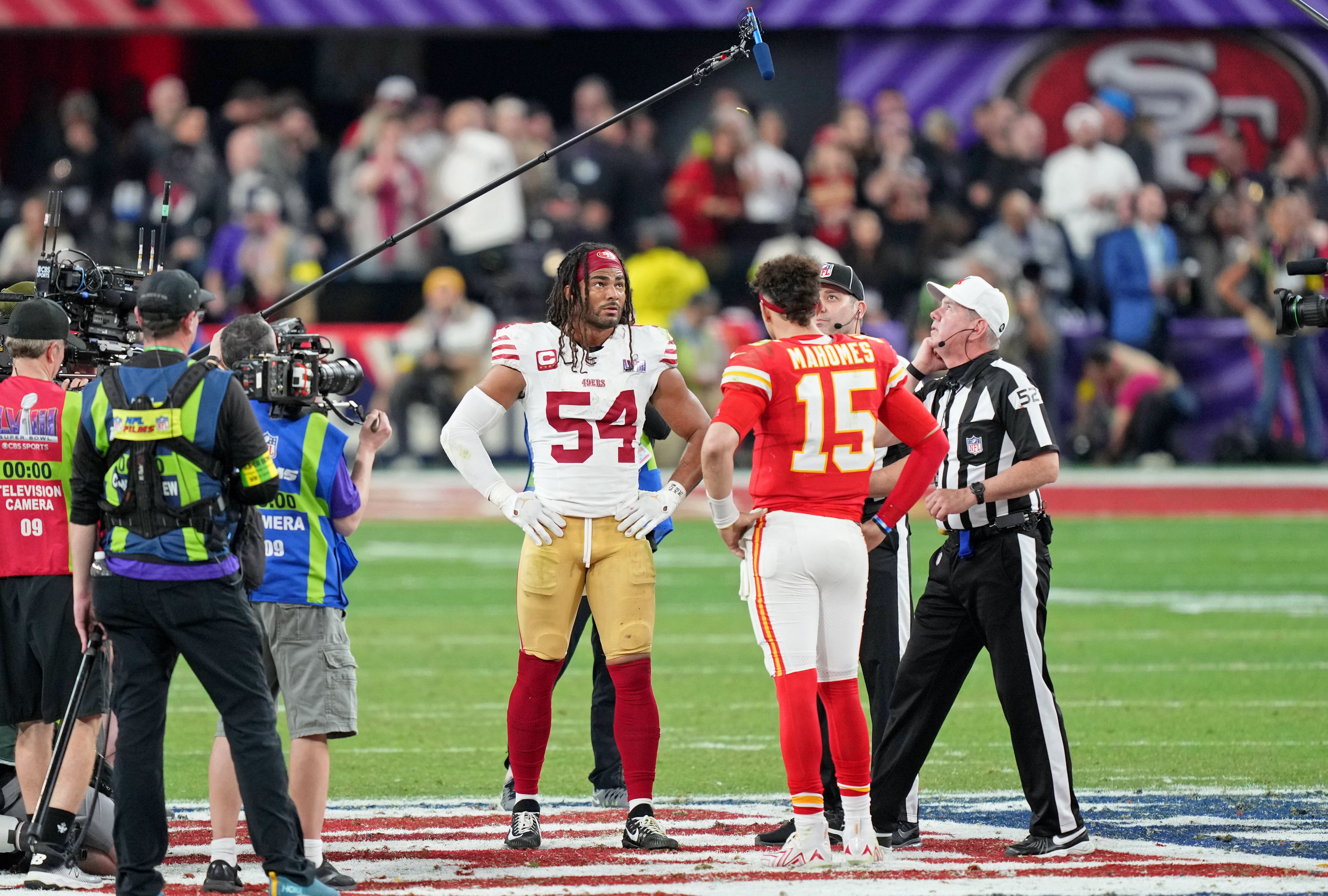
The postgame narratives after a Super Bowl are often tedious, and one that has persisted for the San Francisco 49ers following their overtime loss to the Kansas City Chiefs has surrounded their decision to take the ball to start the extra period.
San Francisco won the overtime coin toss and elected to take the ball despite postseason overtime rules dictating that both teams get a chance to possess the ball regardless of whether the team getting it first scored a touchdown or not. The only sudden death circumstance across the first two possessions is a game-winning defensive score. Otherwise, sudden death begins if the score is tied after both teams have possessed the ball.
The 49ers' decision to take the ball seemed to pleasantly surprise Patrick Mahomes and the Chiefs. San Francisco drove down the field to the Kansas City nine-yard line only to be forced to settle for a field goal, giving Mahomes the chance to drive down for a game-winning touchdown, which came when he found Mecole Hardman for a three-yard score.
Kyle Shanahan stated in the wake of the defeat that the Niners took the ball to control a potential third possession in the event of the game being tied.
San Francisco has been criticized in many corners for offering Mahomes the opportunity to win the game on the second possession and, in hindsight, anticipating his defense to get a stop was perhaps naive on Shanahan's part.
But taking the ball first allowed the 49er defense time to rest, and in a post on X (formerly Twitter), Walker Harrison, a quantitative analyst for the New York Yankees, published an analysis of playoff overtime rules that revealed that the decision on whether to take possession has little impact on the outcome.
For all the oxygen spent on Shanahan's decision. The numbers say it made no difference.
What did make a difference was the 49ers' execution in overtime. San Francisco had second and four from the nine-yard line and failed to gain another yard, with a breakdown in protection robbing them of a touchdown on third down.
The defense was then a stop away from sealing the victory when Mahomes faced fourth and one from the Kansas City 34-yard line. Mahomes was able to pick up eight yards on a quarterback keeper.
San Francisco's latest Super Bowl heartbreak was not the product of what Shanahan elected to do after a coin toss, but the 49ers' failure to execute when in advantageous situations both in regulation and, most crucially, in overtime.
The external postgame discourse has focused on the wrong thing, and it is the plays they did not make when it mattered most, not the head coach's assessment of the overtime rules, that will haunt the Niners in the coming months as they look back on what might have been.
49ers open as favorites to win Super Bowl 59
The wait is now three decades.


