Seahawks proved everyone wrong multiple times by shattering preconceived notions on the road to the Super Bowl
Seattle took an unlikely path to contention.


Every offseason, analysts, fans, and the football world will discuss roster-building, coaching staffs, and how top executives make the most impactful decisions that will shape the upcoming NFL season. The 2025 Seattle Seahawks, though, are the ultimate proof that there isn’t only one way to win in the league.

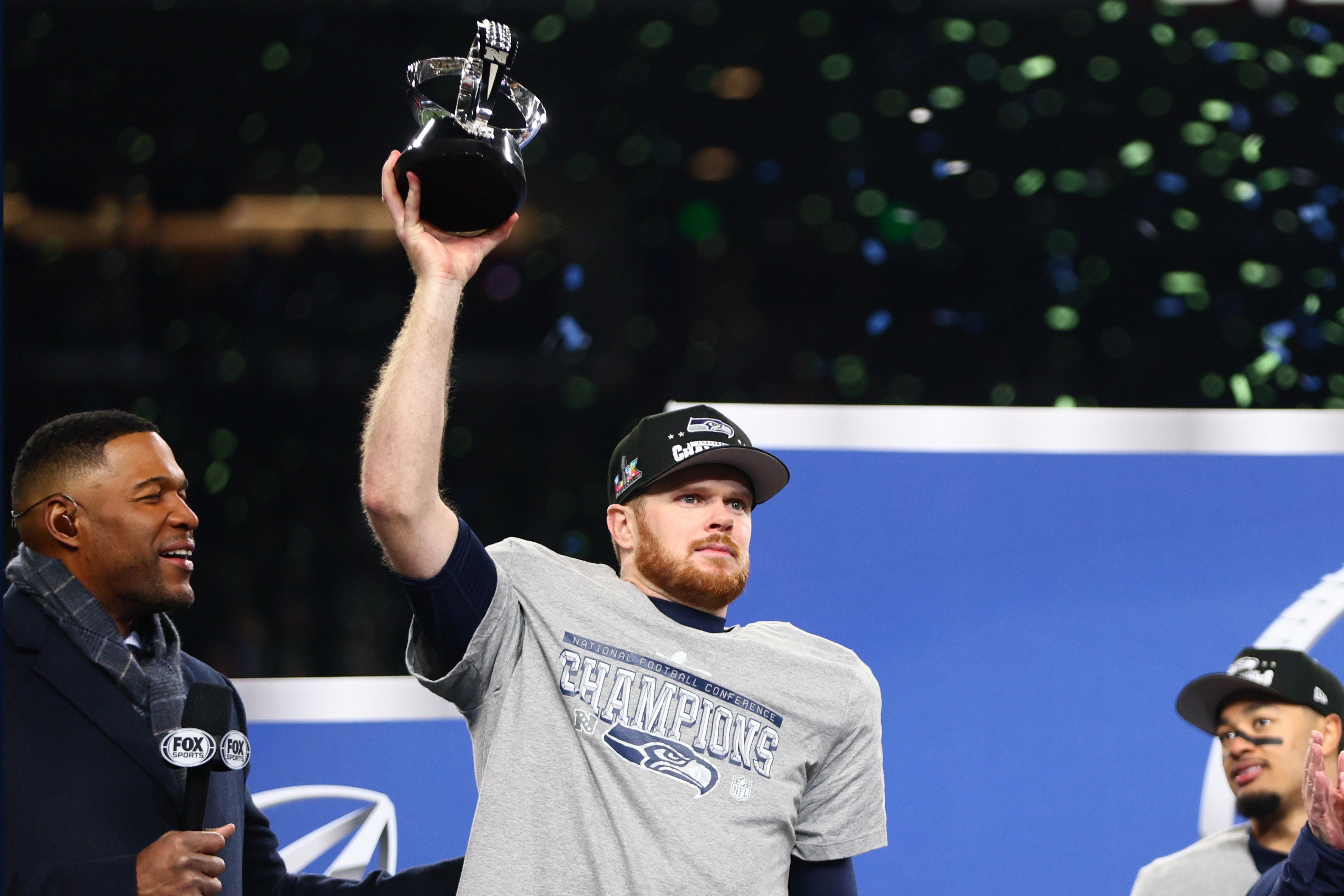
Like nobody else in recent memory, general manager John Schneider, head coach Mike Macdonald, and quarterback Sam Darnold challenged preconceived notions about roster building. One by one, they proved their way was viable — and that sequence put them in the Super Bowl with a dominant run in the NFC.
Expensive non-elite QB
Since the inception of the rookie-scale contract back in 2011, there’s an obvious trend in the NFL. Teams will look for elite QBs in the first round of the draft, or stumble into one later in the process, and build around their rookie deals. When the first contract is up, you give top money for an elite QB or start the process trying to find the next one.
The Seahawks did what most would think is the worst-case scenario: They signed a non-elite quarterback in free agency for a big (if not top) contract. And they did that after moving on from a quarterback in Geno Smith that most analysts would think was the better one, despite the age difference.
Defensive-minded head coach
Every hiring cycle, teams try to find the next Kyle Shanahan or Sean McVay. A young, exciting offensive mind who could build a consistent and prolific offense. The Seahawks replaced an old and experienced defensive mind in Pete Carroll with another defensive guy in Mike Macdonald — maybe as a way to stop McVay and Shanahan in some regards, but mostly just trying to find the best possible leader.
The risk when hiring a defensive-minded head coach is, one, not finding a good offensive coordinator; or two, not being able to keep him if he’s good. Well, the Seahawks are reaching the Super Bowl with Klint Kubiak before facing that challenge anyway.
GM and HC’s timelines are not aligned
Over and over again, bad teams have general managers and head coaches in different timelines. They compete with each other for job security and fail. The Seahawks took a risk by keeping John Schneider while hiring Mike Macdonald — different generations of people, completely different football backgrounds, different timelines on the Seahawks. So far, their relationship couldn’t have been better, and the results show.
Overpay for an older receiver
Signing older wide receivers is always a risk, especially when it’s one with a significant injury history and showing some signs of decline. The Seahawks gave Cooper Kupp a three-year, $45 million deal in free agency after he got cut from the Rams, and even if he isn’t the star receiver he once was anymore, he offered stability and clutch production down the stretch.
First-round guard
In the draft process, it’s natural (and correct) to discuss positional value. Teams will naturally lean on positions like quarterback, edge defender, left tackle, and cornerback in the first round. The Seahawks went out there and took a left guard with the 18th overall pick in Grey Zabel. He might not have been a team leader in his rookie season by any means, but Zabel was part of a thought process to build the offense starting upfront — and the offensive line is ultimately one of the big reasons why the Seahawks got where they are.
Seattle Seahawks News
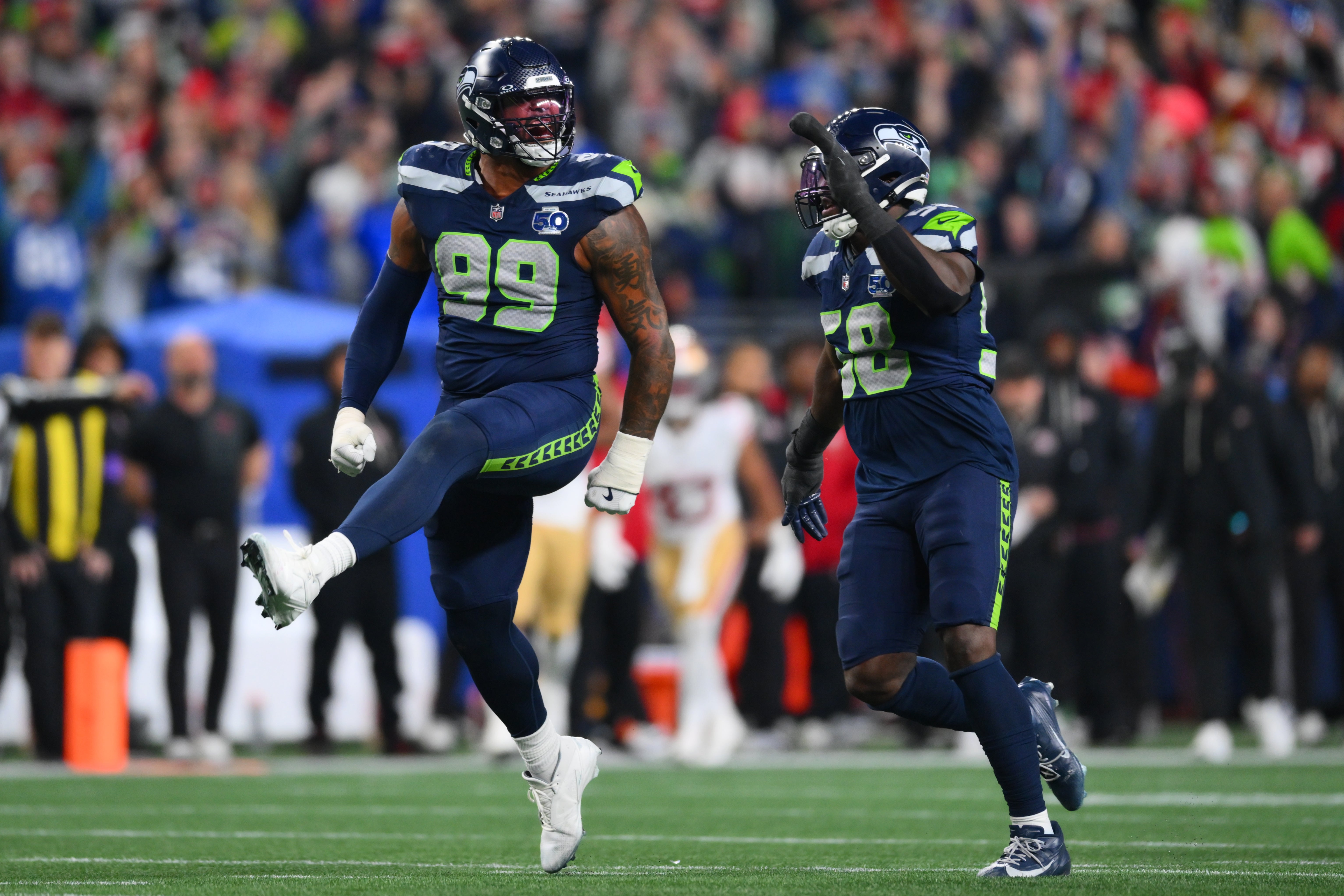
‘He’s a smart kid’ — Seahawks All-Pro Leonard Williams credits impressive rookie for crucial play in win vs. 49ers
Grey Zabel proved to Leonard Williams he was wise beyond his years in his first playoff game.