
Brian Callahan details Titans new front office structure in exclusive interview after the hiring of GM Mike Borgonzi
The Titans may be ahead of the curve on their organizational structure


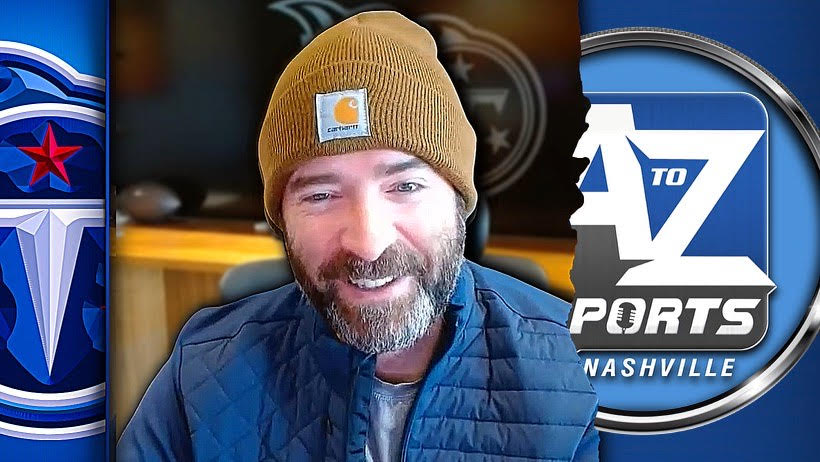
The first two weeks of the Tennessee Titans' offseason have been tumultuous. From landing the 1st overall pick, to firing GM Ran Carthon, to conducting a search for their new GM, to hiring former Kansas City Assistant GM Mike Borgonzi for the role; it's been a ride.
Since the Titans began shaking up their organization structure, we've heard from nearly everybody involved in some form or fashion. Owner Amy Adams Strunk, President of Football Operations Chad Brinker, President and CEO Burke Nihill, and even former-GM Ran Carthon have chimed in. But we hadn't heard from Head Coach Brian Callahan since the Monday after the season ended.
A to Z Sports sat down with Callahan for an exclusive 90-minute interview to cover everything that's happened since the season ended, looking back on what went wrong in Year 1, what he wants in his next QB, and so much more. The full Callahan interview will be live Friday morning on the A to Z Sports YouTube Channel.
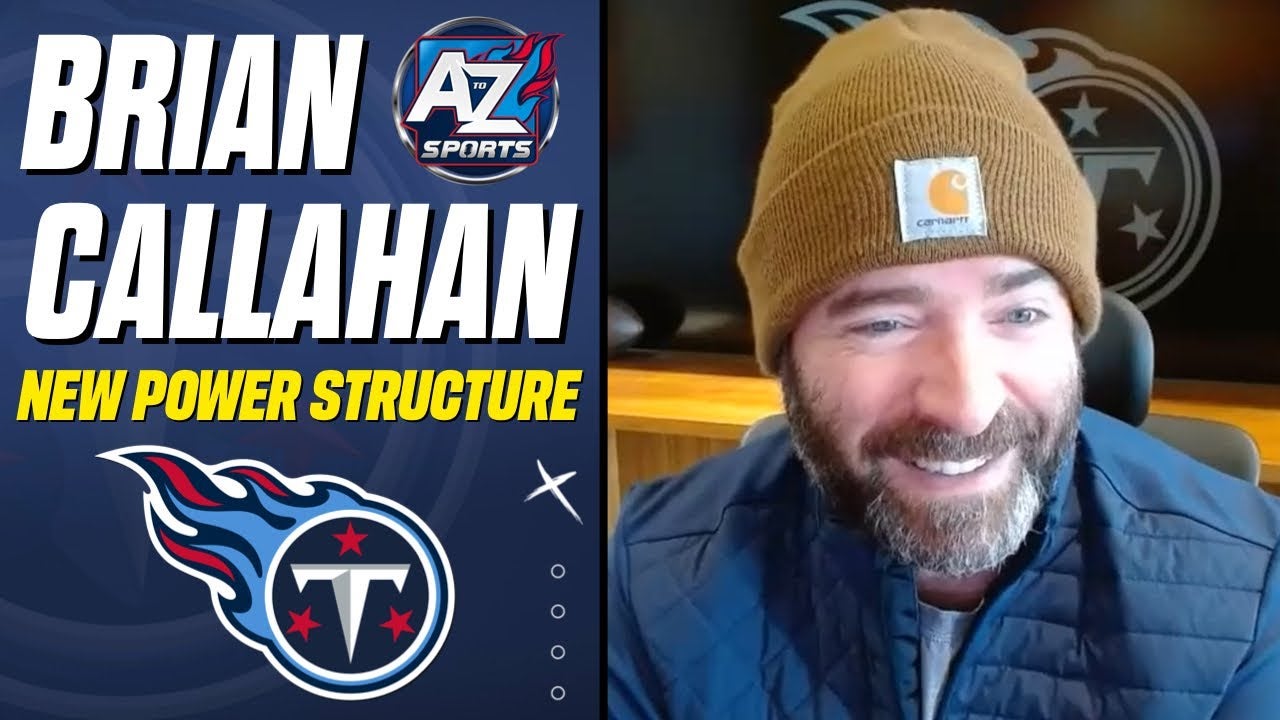
Part of that discussion involved a detailed explanation of the Titans new and unique power structure. Things are a bit clearer now than they were last season, as the chain of command goes down in a straight line from Amy Adams Strunk, to Chad Brinker, to Mike Borgonzi, to Brian Callahan. But for many, the actual utility of having both a GM and a President of Football Operations isn't fully clear. When Chad Brinker is doing a lot of the traditional GM duties around the building, as well as having the technical final say over the roster (or so we've been told), what's the point? Why are the Titans so set on splitting up what we've long known to be a General Manager's responsibilities?
"I think it helps everybody do their job to the best of their ability" is how Brian Callahan put it.
"I think it's a pretty cool structure, to be honest… you don't get lost in the weeds, you know, when your GM is not worrying about what the grass looks like on the field, he's more worried about what players we’re going to draft in the sixth round, I think those things help. It just helps keep everything streamlined and focused. And, this is my opinion, but that's just how I've seen it. And I think it's beneficial for us."
When Carthon was fired and Brinker was handed the keys to "final say" over football decisions, it was easy to lose sight of the point of this vertical power structure: delegation. And in the modern NFL, the growing list of cats to herd at a team's HQ makes it difficult for one person to do everything at a high level. In Callahan's opinion, the Titans may very well be ahead of the curve.
"The way that we're set up, I think probably you're going to start to see a little bit more of it as these organizations continue to get bigger. The staffs have gotten bigger on both sides, both in personnel and in coaching, and you're seeing also the support staffs getting bigger. You have more security people, you have more operations people, your equipment staff, your training staff, um, your grounds crew, these are all things that get run in the operation on a day-to-day basis, and there's a lot that goes on.
And so you want your GM to focus on building the best roster possible and managing the scouting staff, both the pro and the college, and making sure that we're on the same page and direction on that side. And then there's all the other things that happen on a day-to-day basis that people don't even see and understand. And it's just, these organizations are gigantic. There's a lot of things that go into it.
Now the money of the NFL is just continuing to go up. And these are major, massive jobs that require a lot of attention and a lot of things that people don't see on a day-to-day basis. They just see titles and don't quite understand it. But the operation of the business is intricate and is detailed. And there's a lot of people that are relying on people like Chad and Mike and myself to make decisions and run the day-to-day operation."
So why don't other teams around the league do it this way? "That's hard to say" Callahan explained. "You know, I think every organization operates a little bit different. What they see the organization needs, sometimes they have other people that do those things and you don't really know it either. Sometimes their President operates and runs some of the outside peripheral things that the GM doesn't. So I think it varies from organization to organization."
Another point Callahan made about other teams is that this kind of structure isn't entirely unheard of. In fact, he was a part of an organization in the past who he felt operated similarly. “I mean, I guess it is a bit unique around the league, but there's been places that have done things like this before. When I was in Denver, John Elway was the President of Football Ops and we had GM people, we had Brian Xanders at one point there. We had Matt Russell that I think had the GM title… I can't quite recall the titles, but it was a very similar setup. So it's not something that I haven't seen before."
The bottom line for Titans' decision-makers is that being a do-it-all GM is just too hard to do at the highest level in today's NFL.
"There's just so much that goes into these GM jobs nowadays. And it's really challenging for one person to manage all of it and build the roster. And I mean, there's just so much that goes into it, that having really two talented, diverse ways of thinking, I think really is an advantage to an organization, the way that we're set up.
I mean, Chad's experiences, with Mike’s experiences, with mine, you know, we've all seen championship teams, we've all been to Super Bowls, we've all won one. And I think all of that melds into a pretty good melting pot of ideas and experiences that I think can help us really improve our football team."
And, no, Mike Borgonzi is not an assistant GM with a GM title. Chad Brinker isn't lording over him with the iron first of "final say". Callahan put to rest the over-emphasis on who has technical roster control.
"So structure-wise, it doesn't really feel much different to me in terms of the day-to-day, but everything we do, we still work together on. Very rarely at any point is anybody walking up to the draft board and getting their hands slapped down because ‘no, I'm in charge of this and I'm in charge of that’. That doesn't happen. We all work together, trying to do the best we can for the organization and our goals to build a winning team as quickly as we possibly can.”
Stay tuned for the full 90-minute interview, which will be out on AtoZSports.com and the A to Z Sports Nashville YouTube Channel later this week.
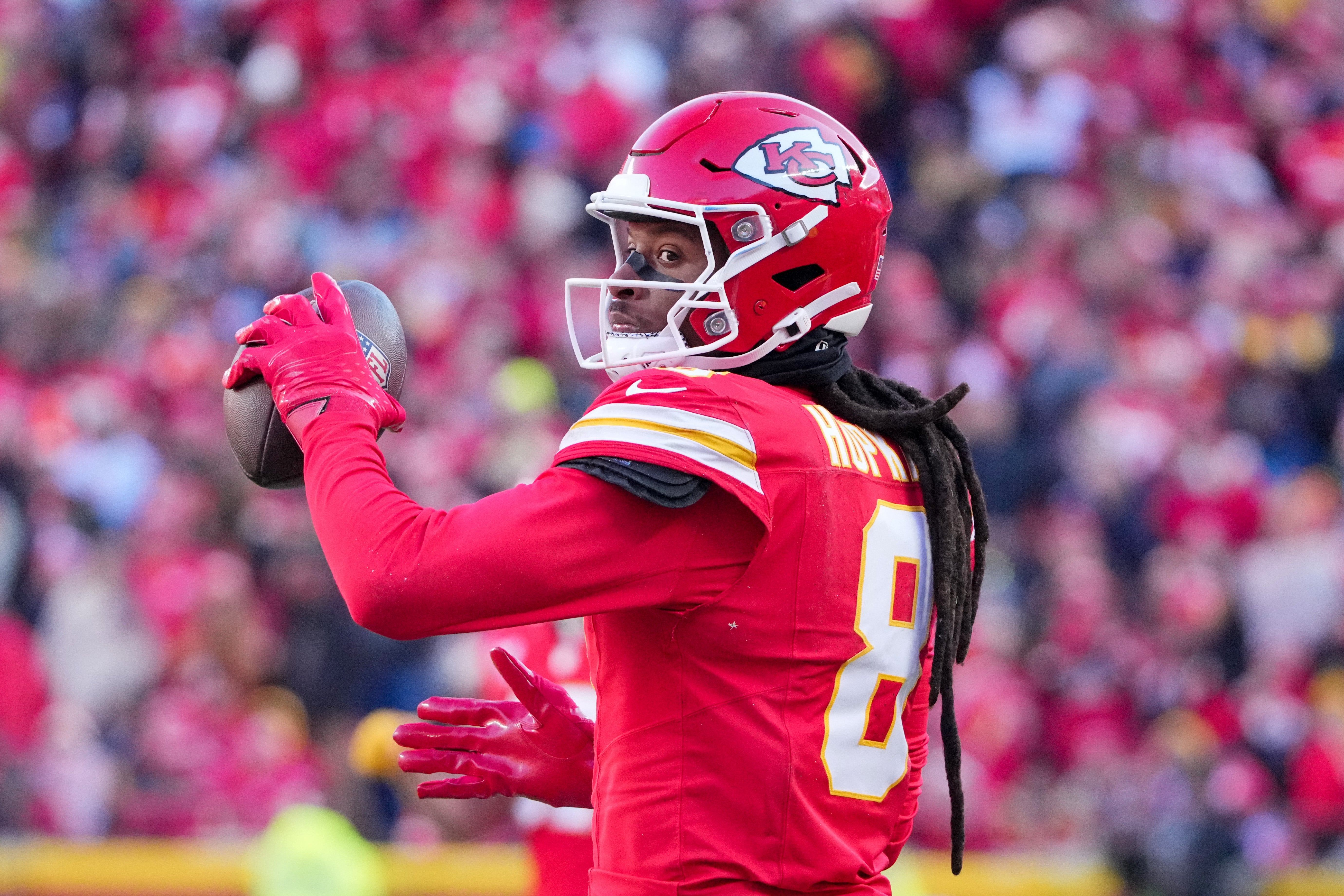
Titans DeAndre Hopkins trade verdict is in: some good news and some bad news surrounding the deadline deal with the Chiefs
The Titans might not be getting the most out of their trade with the Chiefs, but it looks like they’re lucky to be getting anything


