
Reversed Matthew Stafford "fumble" shows an NFL rule must change in 2025
Things did not start well for the Minnesota Vikings on Monday night against the Los Angeles Rams. Brian Flores' defense allowed Matthew Stafford to drive down the field and get a touchdown very quickly. They followed it up with a field goal drive to go up 10-0. After the Vikings drove down and kicked a […]


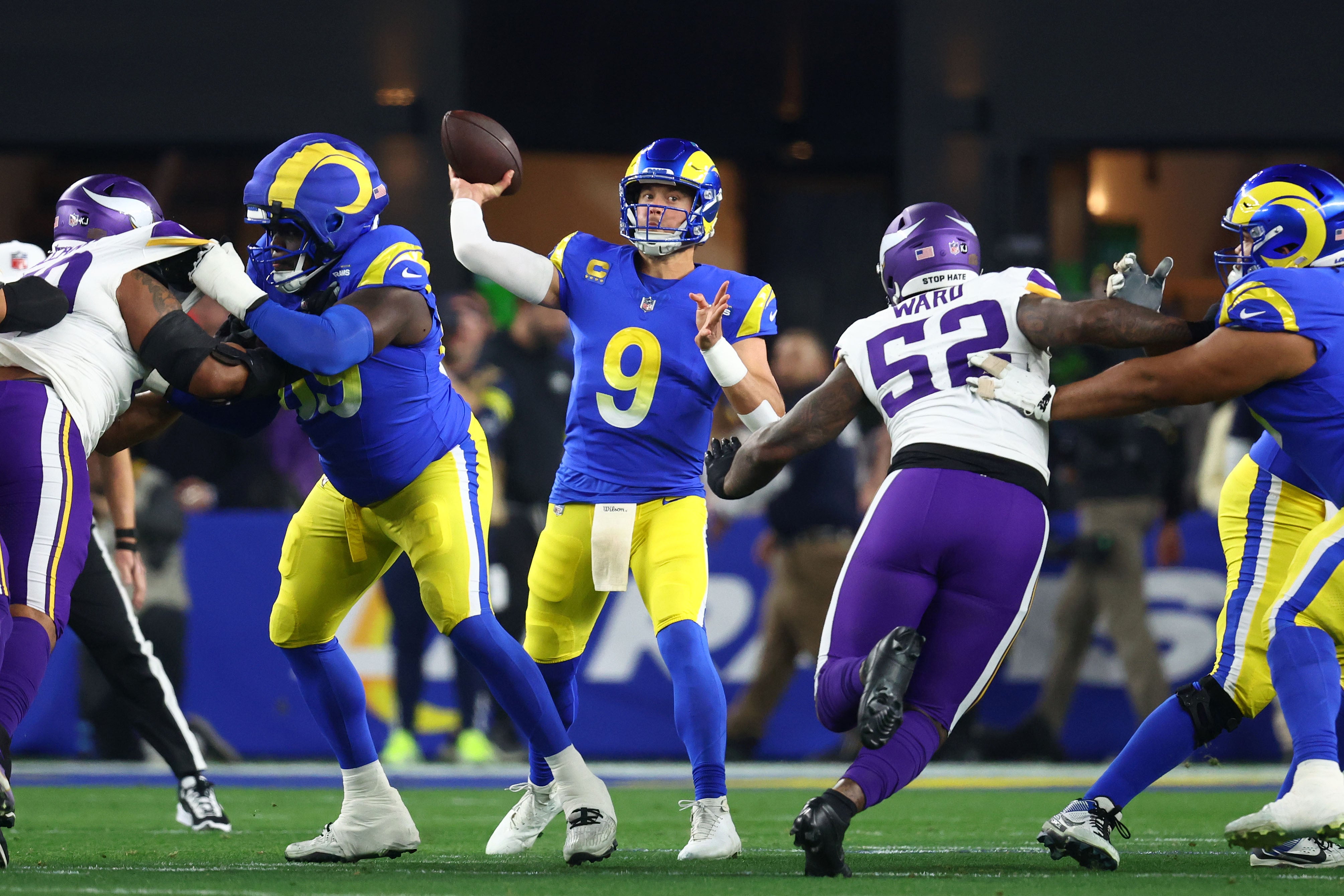
Things did not start well for the Minnesota Vikings on Monday night against the Los Angeles Rams.
Brian Flores' defense allowed Matthew Stafford to drive down the field and get a touchdown very quickly. They followed it up with a field goal drive to go up 10-0.
After the Vikings drove down and kicked a field goal to bring the game within a touchdown at 10-3, they thought Blake Cashman had returned a fumble for a touchdown, but that wasn't what happened.
Matthew Stafford's reversed fumble cost Vikings
That first play of the Rams' third drive looked like a strip sack by Jonathan Greenard. It turns out that Stafford threw the ball forward to prevent a sack. Not only did the Vikings end up feeling screwed over by the play, they didn't even get an intentional grounding.
On the Manningcast, North Carolina head coach Bill Belichick made a point to say that there aren't any rules to help the defense.
The Vikings felt jaded by that because there was zero intent to actually complete a pass to Puka Nacua, who wasn't in the progression. Stafford just threw it to a spot and hoped to get away with it.
The rule of intentional grounding is described as follows:
It is a foul for intentional grounding if a passer, facing an imminent loss of yardage because of pressure from the defense, throws a forward pass without a realistic chance of completion. A realistic chance of completion is defined as a pass that is thrown in the direction of and lands in the vicinity of an originally eligible offensive receiver.
The way the rule is written shines a light on how the rule doesn't work for the modern day game. Quarterbacks will just throw it without intent to actually complete a pass, negating the intent of the rule.
While the intent of the rule is up to interpretation, it's designed to penalize quarterbacks who are throwing the ball away and not those who are actually trying to complete a pass.
We've seen multiple throws that are "intentional grounding" not get called due to the way the rule is written and called. The NFL needs to look into changing the rule to match what the intent was designed for, and this is a prime example of that.
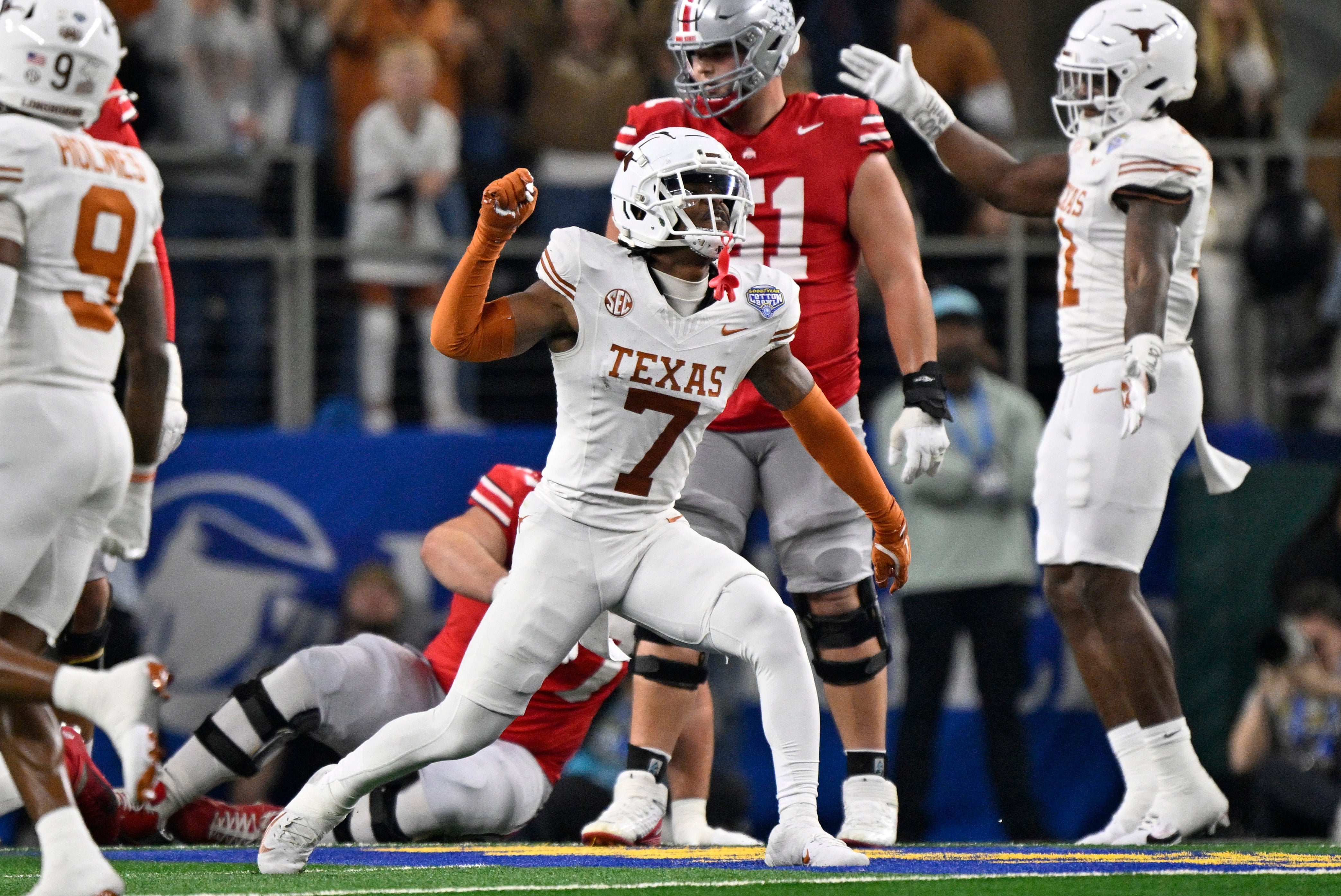
Vikings 2025 NFL Mock Draft roundup 2.0 highlighted by five new players, including Texas standout
The Vikings have a type so far this year when it comes to mock drafts


