Why the NFL needs a minor league system + recent trade grades | A to Z Sports NFL Newsletter
The NFL trade deadline is Tuesday, November 5 at 4 p.m. ET. There may be a few last-minute trades in store for us to cap off what has been a pretty active trade season.In this week's edition of The NFL From A to Z, we discuss the benching of an AFC QB and why it […]


The NFL trade deadline is Tuesday, November 5 at 4 p.m. ET. There may be a few last-minute trades in store for us to cap off what has been a pretty active trade season.
In this week's edition of The NFL From A to Z, we discuss the benching of an AFC QB and why it sheds light on a greater problem in the NFL, plus grade recent trades by the Baltimore Ravens and Minnesota Vikings. To round things out, we have Week 9 betting picks, injury updates and more news from around the league.
Like what you’re reading? Subscribe to our newsletter here!
—Wes Roesch, Newsletter Editor at A to Z Sports
SUBSCRIBE to our emails here:
By submitting this form, you hereby acknowledge and agree to receive email communications from A to Z Sports. We value your privacy and will handle your information with care. You will have the option to unsubscribe from our emails at any time through a link provided in each correspondence. Please review our Privacy Policy for more details about how we manage your information.
Colts bench Anthony Richardson, and why the NFL needs a minor league

The Indianapolis Colts recently made the decision to bench quarterback Anthony Richardson in favor of 39-year-old Joe Flacco. Richardson has been inefficient thus far in his career, but only has 10 games under his belt. Is 10 games enough of a sample size to bench a QB? Probably not, but the Colts organization is full of people trying to preserve their jobs.
The benching of A-Rich brings light to a bigger problem the NFL has right now: the issue of player development. Our guy Tyler Forness wrote about how the NFL needs to emulate what the other big leagues (MLB, NBA, NHL) have done and develop a true minor league system. Below are some highlights from Tyler’s piece:
NFL’s history of minor league systems: “The NFL has tried multiple times to have some kind of feeder system. They experimented with NFL Europe multiple times in the 1990s and it worked relatively well. They disbanded it, but not before it became the genesis of future Hall of Fame quarterback Kurt Warner, as well as fellow Super Bowl quarterbacks Jake Delhomme and Brad Johnson.”
Who needs it: “Bryce Young and Anthony Richardson have already been benched in the first eight weeks of their second seasons due to both their own failures but also the failure of the organization as a whole. For a multitude of reasons, they haven't succeeded yet, but you could argue that both players needed to sit until they had the infrastructure to thrive. Look at Patrick Mahomes. He sat for a year and it did him wonders, throwing 50 touchdown passes and winning the MVP award in his first season as a starter.”
What about the UFL? “While spring league football has been good and allowed some players to find jobs in the NFL, it doesn't have an official affiliation with the league. Plus, asking players to play in both the spring and fall can put an extra wear and tear on the body that isn't necessary.”
How it could work: “You can have somewhat smaller rosters of around 40 players and that can also act as the team's practice squad. Pay them a similar amount of money to what the practice squad makes and they can play in either a smaller local stadium or at the stadiums that their NFL franchise plays in. Secondly, play the games on Tuesday and Wednesday nights. You can get television deals for NFL adjacent games, including airing them on the NFL Network and possibly the regional networks across the nation.”
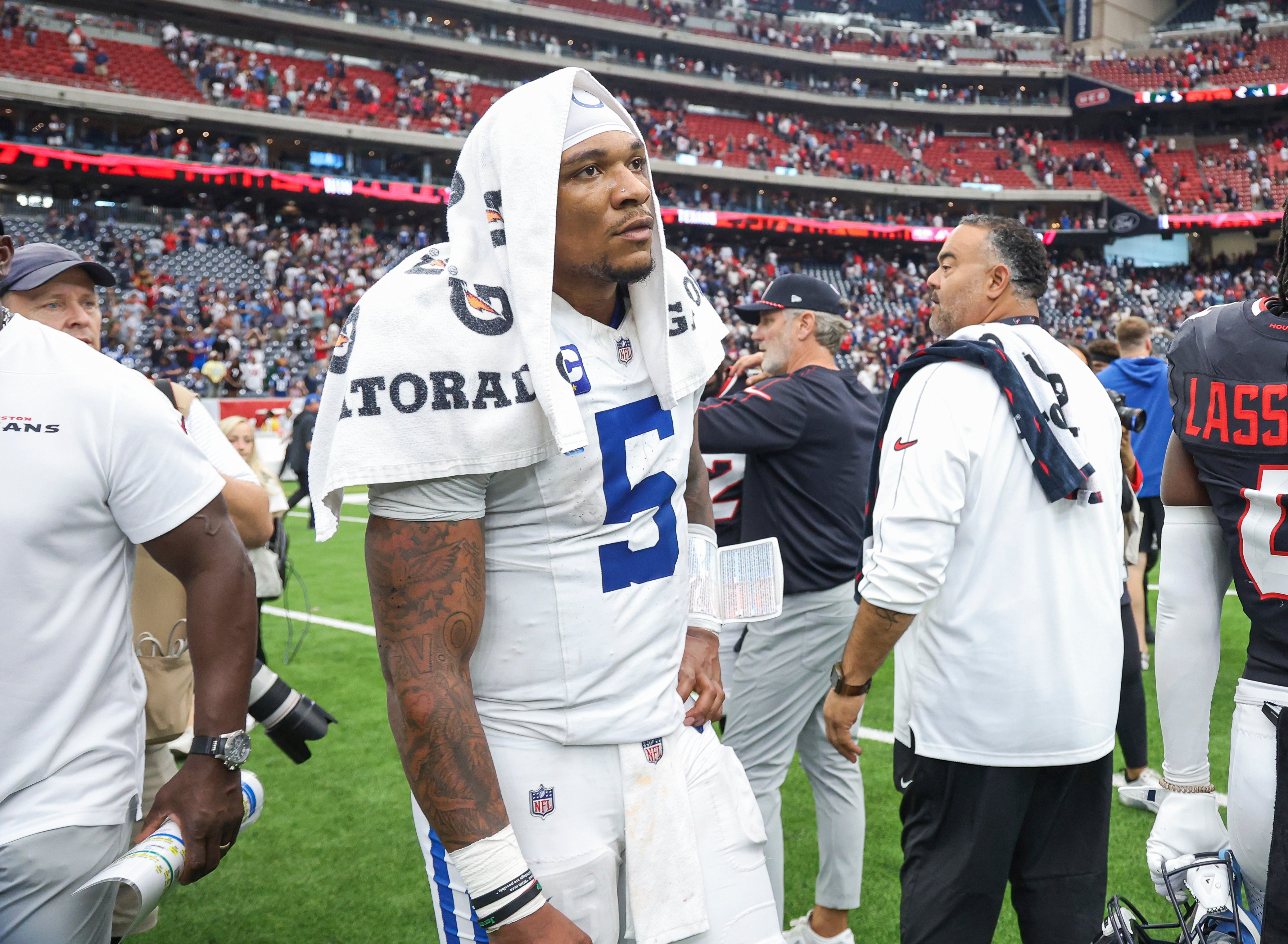
NFL’s latest quarterback decision points to a glaring reoccurring problem with an easy solution
This is a sensible solution to the NFL’s talent development problem
Trade grades: Panthers WR Diontae Johnson to Ravens
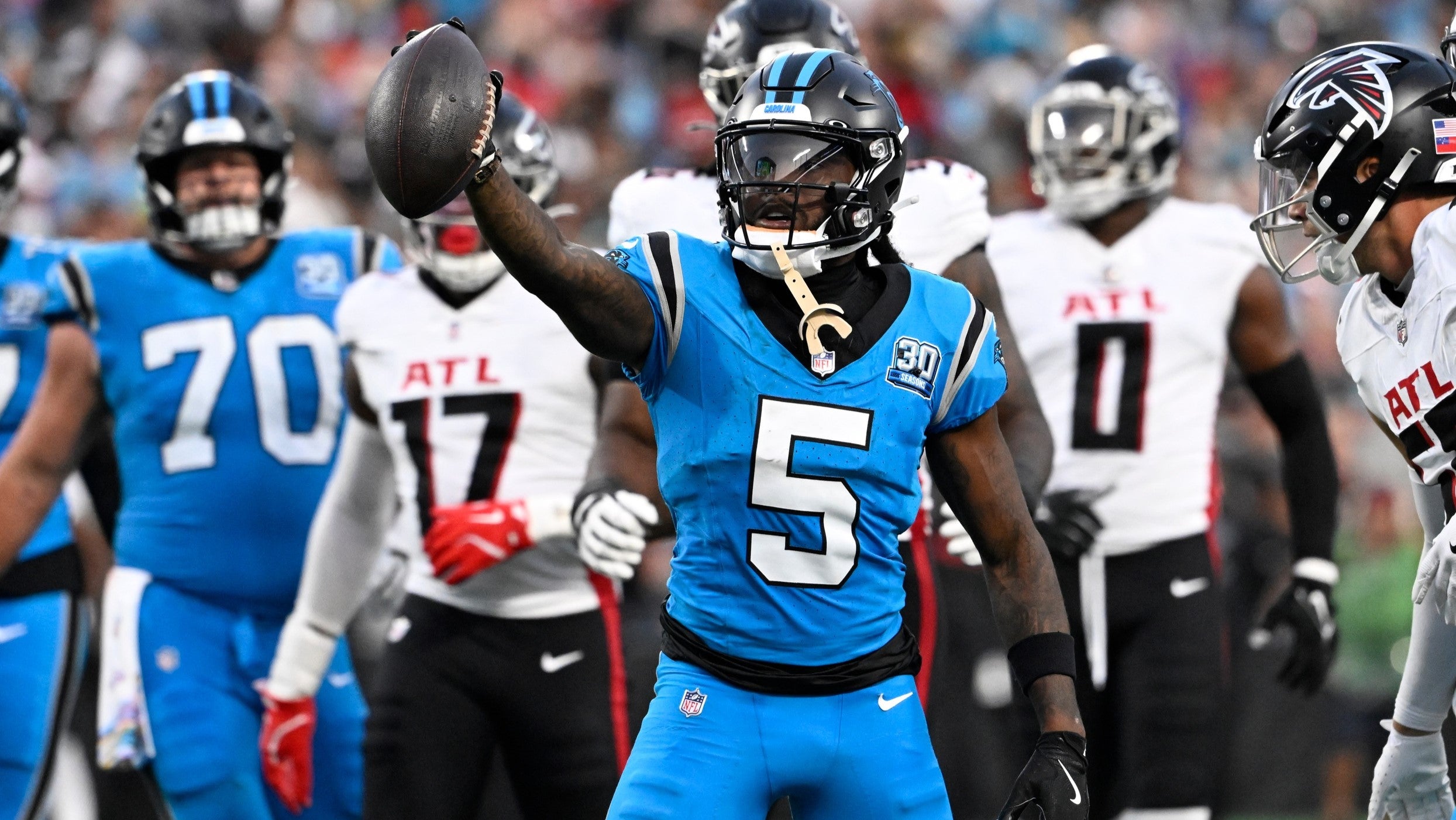
The Baltimore Ravens weren’t going to be left out of the AFC arms race after the Buffalo Bills traded for Amari Cooper and the Kansas City Chiefs traded for DeAndre Hopkins. That’s why the Ravens went out and got receiver Diontae Johnson from the Carolina Panthers — grades for each squad are below.
What’s the compensation? The Ravens didn’t need to give up much for Johnson. It was a pick swap — the Ravens sent over a 2025 fifth-round pick, while the Panthers sent back a 2025 sixth-rounder. Given their presumed 2025 draft positions, the Ravens are only dropping a handful of spots in exchange for Johnson.
How much will Johnson cost? The Panthers plan to pay most of Johnson’s remaining contract, meaning the Ravens will only pay him $625,000 in 2024. Johnson will hit free agency in 2025.
Analysis of the Panthers’ side: It’s clear the Panthers needed to trade Johnson — he didn’t really want to be in Carolina and would have left in free agency regardless. But, man, was that really the best the Panthers could do in terms of trade compensation? They gave Johnson away for essentially nothing, which makes me wonder why the heck no other team offered something even slightly better. Grade: C
Analysis of the Ravens’ side: This was a no-brainer for the Ravens who, frankly, fleeced the Panthers. Adding another top-tier weapon in an already explosive offense should help Baltimore even more in its quest to topple the Chiefs and other squads to finally reach the Super Bowl with Lamar Jackson at the helm. Grade: A
Trade grades: Jaguars left tackle Cam Robinson to Vikings
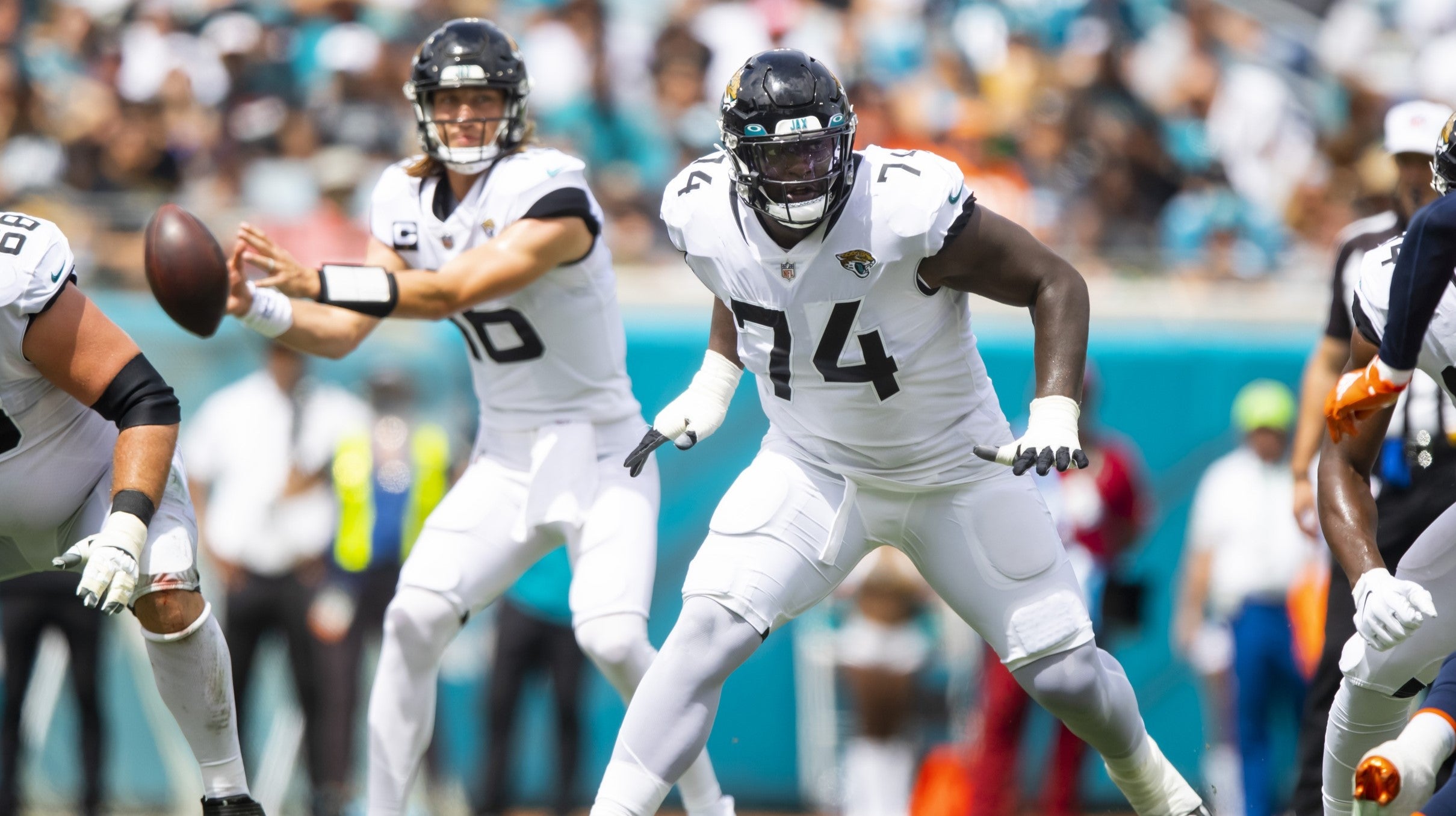
The Minnesota Vikings were facing sort of a crisis after losing left tackle Christian Darrisaw for the season due to a knee injury. In response, the Vikings traded for Jacksonville Jaguars LT Cam Robinson, filling that void on their offensive line.
What’s the compensation? The Vikings sent over a conditional 2026 fifth-round pick that could go as high as a fourth-rounder based on playing time. In return, Minnesota received Robinson and a conditional 2026 seventh-rounder, the latter of which could turn into nothing based on playing time.
How much will Robinson cost? The Jags plan to pay $7 million of Robinson’s salary, leaving the Vikings with around $2.6 million to pay their new offensive tackle. Robinson is scheduled to hit free agency in 2025.
Analysis of the Jaguars’ side: The Jags have had a rough season and pretty much have no chance for recovery. That made this a no-brainer move for them considering Robinson likely would have walked in free agency in 2025. The compensation for him was solid, too — nabbing a possible fourth-rounder should help in Jacksonville’s journey to rebuild a bit in the offseason. Grade: A
Analysis of the Vikings’ side: Minnesota is surprisingly in a Super Bowl window right now. When that happens, you have to go all in. A mid-round pick isn’t too much of a haul for a consistent starting left tackle, and the Vikings definitely receive bonus points for having the Jags pay some of Robinson’s salary. Plus, if Robinson walks in free agency, Minnesota could recoup its losses with a compensatory pick. Grade: A
Only A to Z Sports newsletter subscribers get the rest of this email, which has sports betting picks, injury news and the latest NFL news and notes.
Don't miss out on next week's full newsletter: SUBSCRIBE to our FREE weekly NFL newsletter to receive updates on your favorite NFL team and the rest of the league straight to your inbox.
By submitting this form, you hereby acknowledge and agree to receive email communications from A to Z Sports. We value your privacy and will handle your information with care. You will have the option to unsubscribe from our emails at any time through a link provided in each correspondence. Please review our Privacy Policy for more details about how we manage your information.