
After King Mack blasts Penn State’s ‘lack of leadership,’ Terry Smith projects confident future
Interim coach Terry Smith insists accountability won’t be an issue next season, pointing to King Mack and others as future leaders—despite Mack’s scathing criticism of the culture.


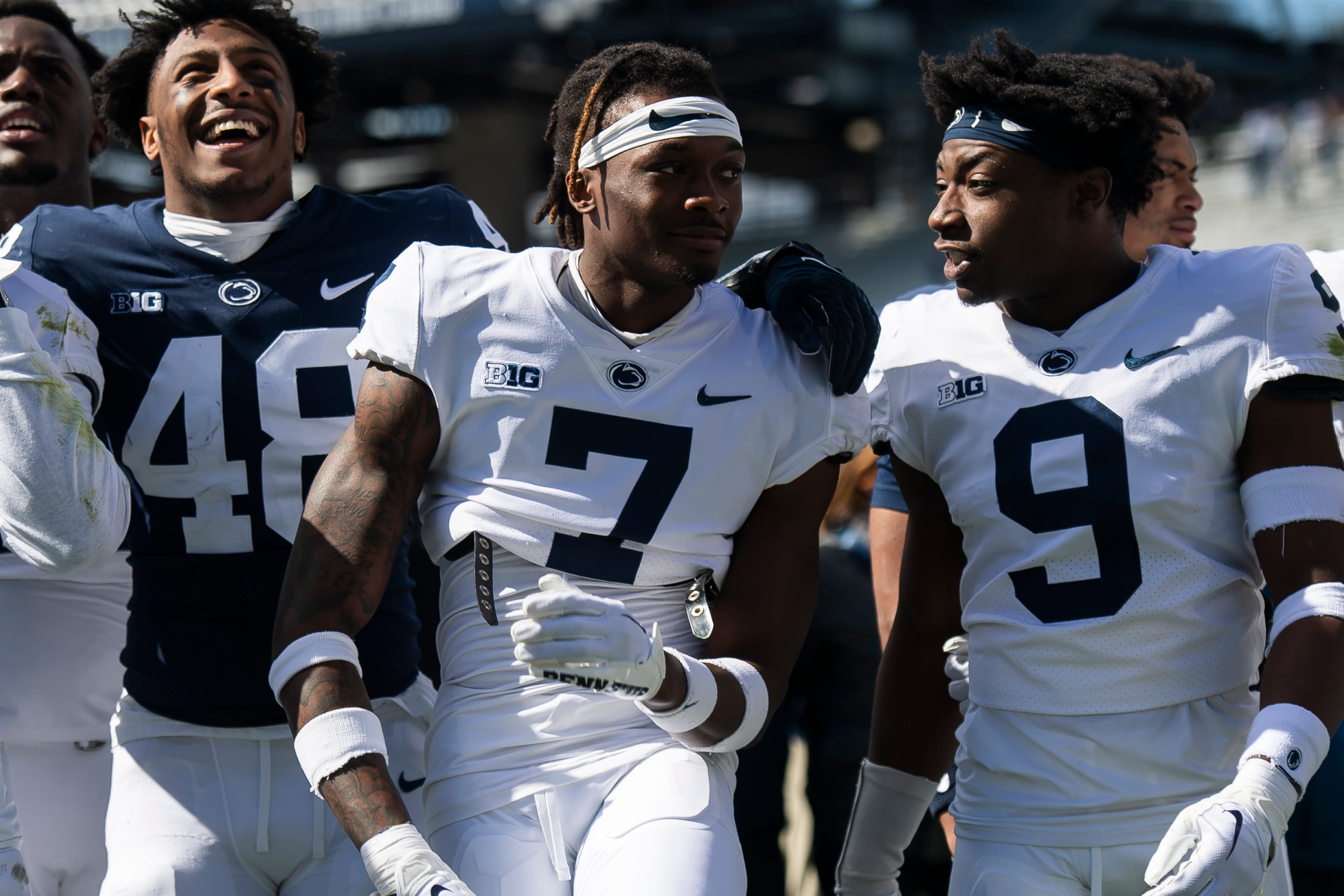
After a tumultuous end to the James Franklin era and a 54-day coaching search that exposed deep fractures within the program, interim coach Terry Smith is projecting confidence about Penn State’s leadership heading into 2026. His optimism centers on players like King Mack, Anthony Donkoh, and Tony Rojas—the same group that witnessed firsthand the dysfunction that derailed a 6-6 season.
“I think we’re in great hands for next year,” Smith said following the coaching transition. “I think the leadership will have a lot of accountability to each other. I think our growth from the second half of the season gives us momentum to what it should look like, and I think we’re going to be in good hands.”
It’s a bold prediction, considering safety Mack publicly identified a “lack of leadership” as one of the program’s most glaring problems this fall.
The leadership vacuum that defined Penn State’s 2025 season
Smith’s comments come in the aftermath of one of the more embarrassing episodes in recent Penn State history. Audio leaked onto YouTube from a closed-door meeting between athletic director Pat Kraft and 9-10 players during the coaching search. In that meeting, Kraft disparaged other Big Ten teams, commented on individual players, and discussed Smith’s candidacy for the head coaching job—all while using a heavy dose of expletives.
For Mack, the leak wasn’t just a public relations disaster. It was a symptom of something deeper.
“100 percent—that should have never been broadcasted,” Mack told the Williamsport Sun-Gazette. “That’s part of the selfishness and lack of leadership around the team that we have to fix.”
His criticism didn’t stop there. Mack pointed to Penn State’s mid-season collapse as evidence of a team that lacked buy-in and accountability. The Nittany Lions began 2025 ranked fifth in the nation, only to stumble to a 6-6 record with losses that exposed both strategic flaws and a fractured locker room. According to Mack, the problems ran deeper than Franklin’s game management or Andy Kotelnicki’s conservative play-calling. The culture itself had broken down.
“Coach Matt Campbell plans on changing the culture,” Mack said. “He sees where we went wrong this year, and his job is to get it fixed as soon as possible and to use all the seniors as one big group to fix all those issues.”
Why Smith believes 2026 will be different
Smith’s confidence in next year’s leadership hinges on two factors: the players who emerged during the second half of the season and the culture shift Campbell is expected to bring. After the disappointment of missing out on several coaching targets, Penn State landed Iowa State’s Campbell, a coach known for building accountable, disciplined programs.
But the burden of changing the culture won’t fall solely on Campbell. Smith is betting on players like Mack, Donkoh, and Rojas to set a new standard. These are veterans who lived through the dysfunction of 2025 and, according to Smith, have the maturity to demand better from their teammates.
The question is whether that’s enough. Mack himself hasn’t committed to returning for another season, though he has expressed confidence in Campbell and new safeties coach Deon Broomfield after meeting with them. He plans to play in the Pinstripe Bowl, but his future in Happy Valley remains uncertain. If Penn State loses a vocal leader like Mack, Smith’s optimism about accountability could ring hollow.
The real test for Penn State’s new culture
Smith’s comments reflect the reality that Penn State’s 2026 season will be as much about leadership as it will be about X’s and O’s. Campbell’s first task isn’t fixing the offense or tightening up fourth-down decision-making. It’s rebuilding a locker room that, by Mack’s own admission, lacked the accountability and selflessness required to compete at the highest level.
The leaked audio, the public criticism, and the mid-season collapse all point to a program that lost its way. Smith’s belief in next year’s leadership suggests he sees a group capable of preventing that from happening again. But Mack’s candid assessment serves as a reminder of just how far Penn State fell this season.
For Campbell, the challenge is clear: turn model leaders into a model culture. The momentum Smith referenced will only matter if the players who lived through 2025’s failures are willing to hold each other accountable in 2026. Otherwise, Penn State’s leadership crisis won’t be solved by a new coach—it will simply repeat itself under different management.
Penn State Nittany Lions News
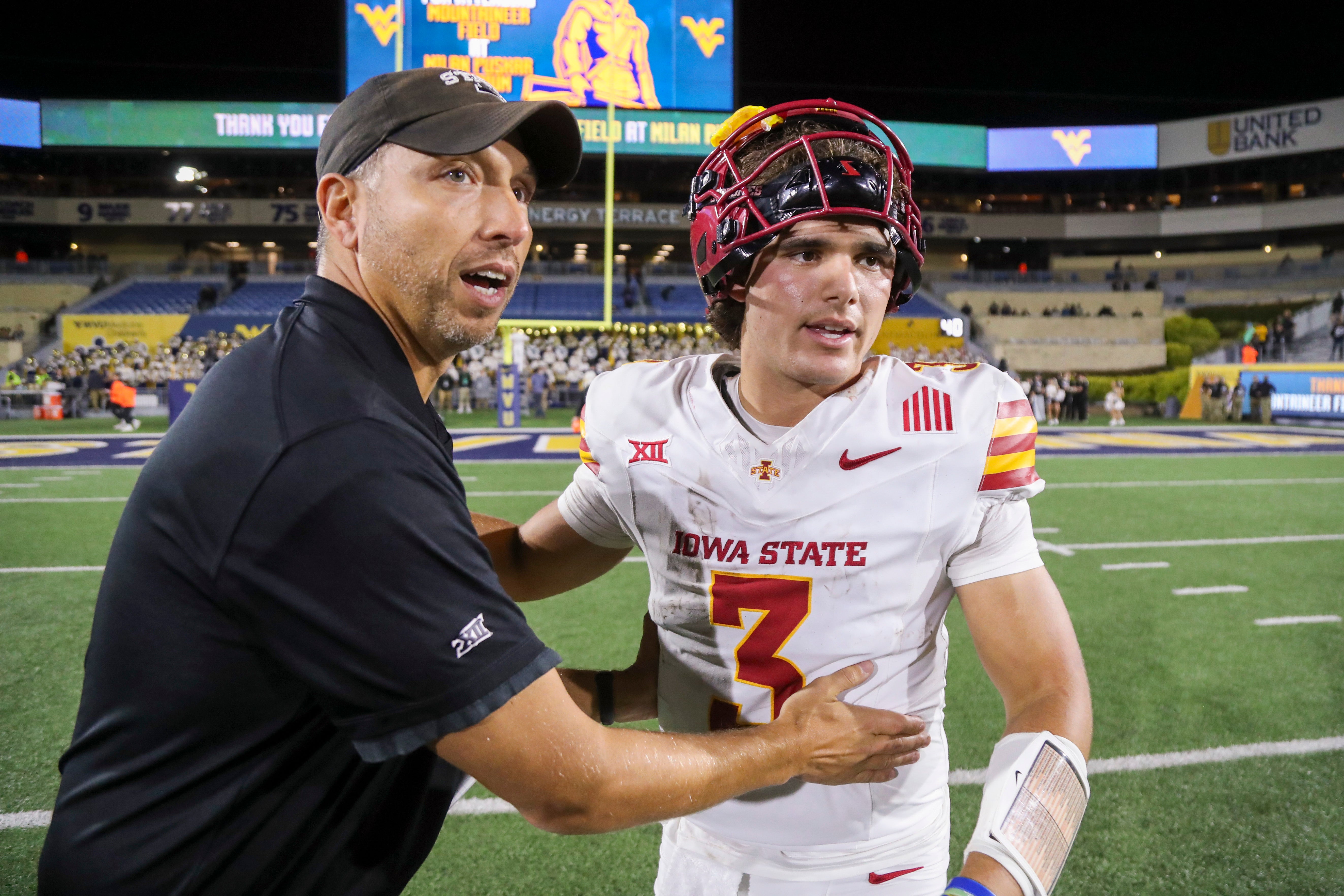
Iowa State quarterback Rocco Becht enters the portal, and Matt Campbell is paying attention
Matt Campbell’s Penn State transition may intersect with the transfer portal as Iowa State quarterback Rocco Becht enters his name, creating a potential stabilizing option amid roster turnover and quarterback uncertainty.


