
Matt Rhule’s extension throws a wrench in Penn State’s coaching search — what it means for the Nittany Lions
Matt Rhule’s contract extension at Nebraska has upended Penn State’s coaching search.


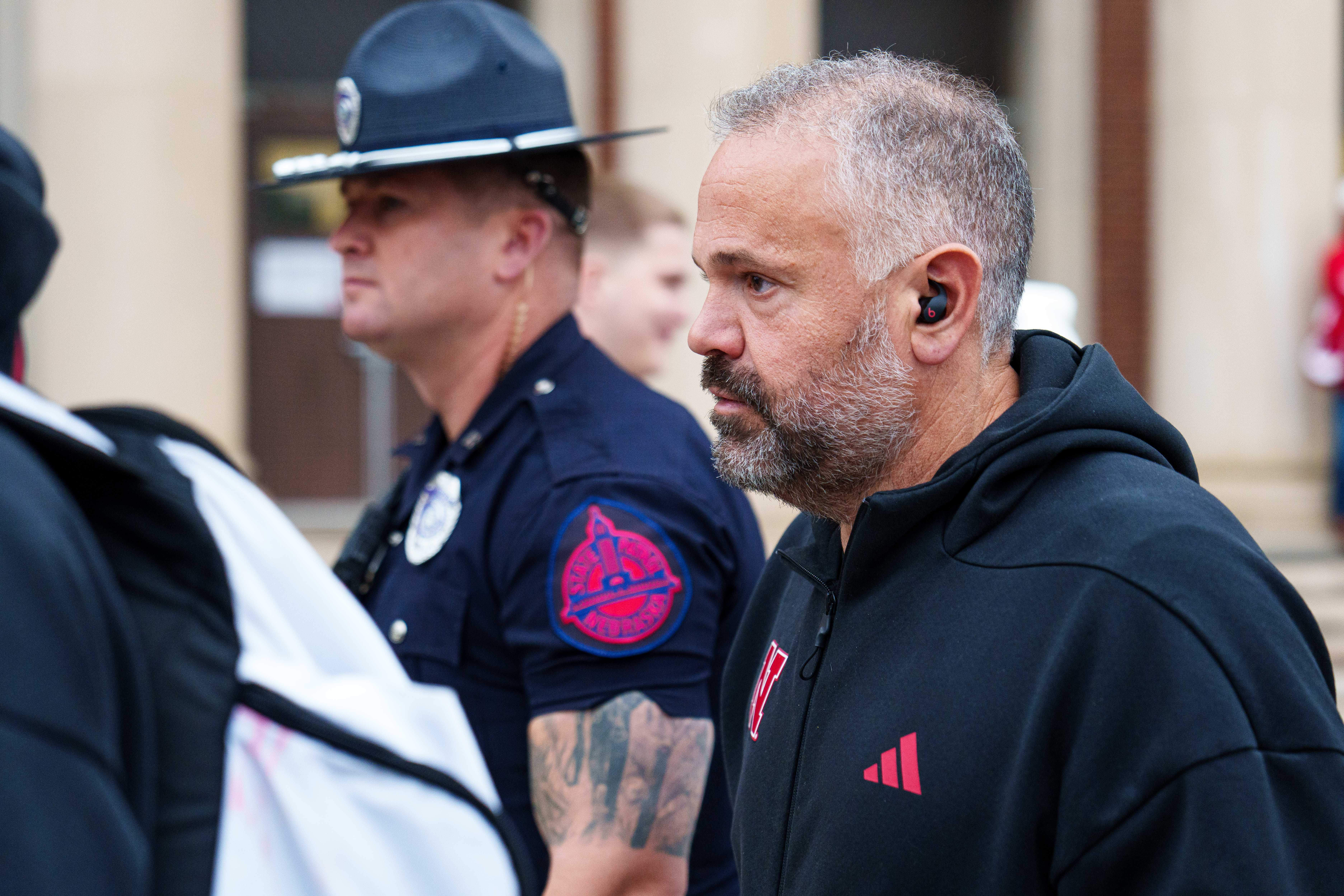
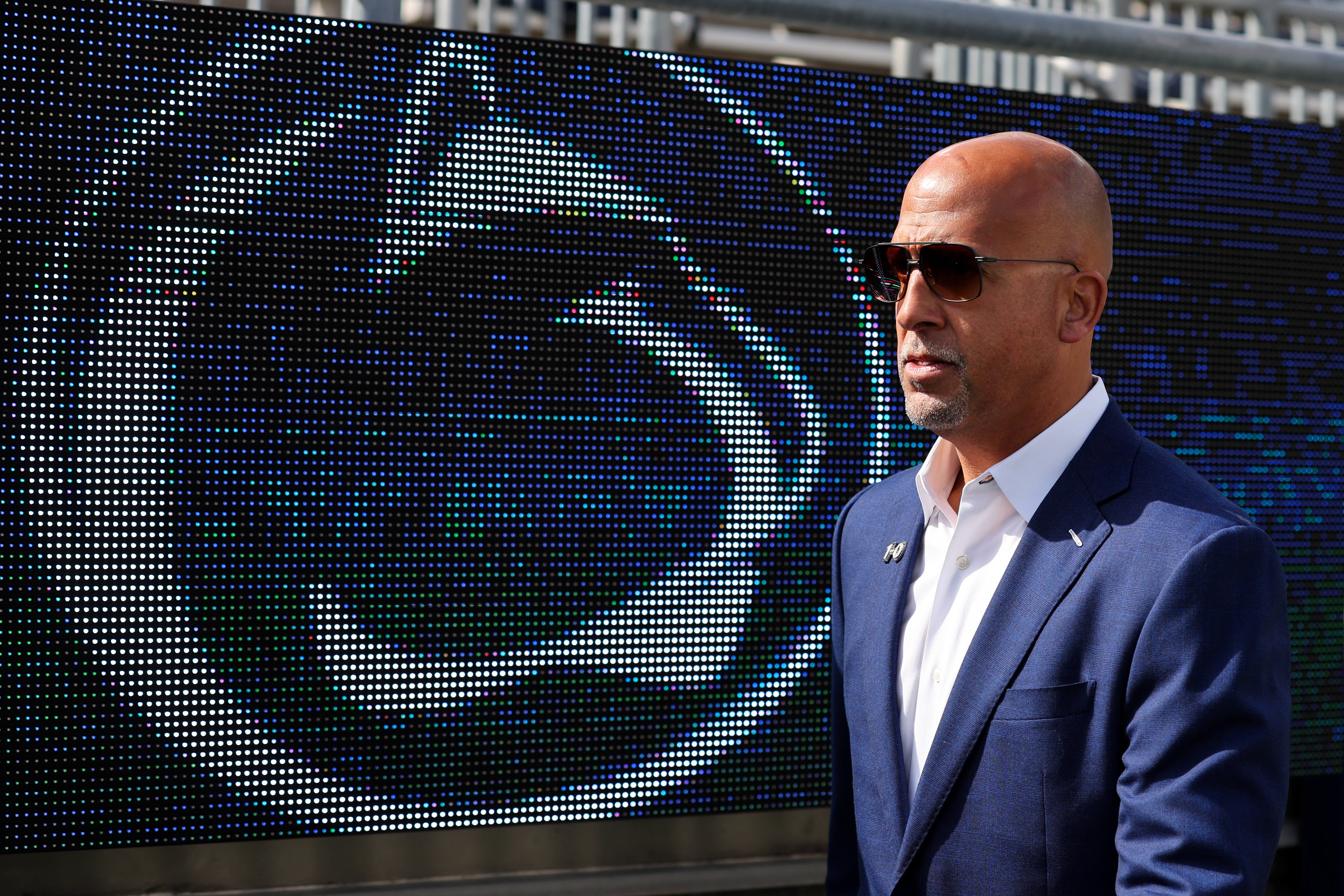
When the Nittany Lions fired James Franklin just six weeks into a season, the message was clear: the ceiling had been reached, and the program was ready for something new. But less than a month later, that urgency has curdled into uncertainty. Two of Penn State’s top targets — both with direct ties to the region — are off the board, and the market they hoped to dominate is quickly passing them by.
Who Penn State’s eyeing in the college football carousel
Indiana coach Curt Cignetti, a Pennsylvania native and natural fit for the job, signed a long-term extension that likely keeps him in Bloomington for the remainder of his career. On Thursday, Matt Rhule followed suit, inking a new deal at Nebraska that runs through 2032. Both were believed to be among Penn State’s first calls. Now both are unavailable.
For a program that sought to flex its muscle early, the optics are troubling. The move that was supposed to project control has instead exposed vulnerability.
In a vacuum, firing Franklin is defensible. Twelve seasons, 104 wins, a Big Ten title, and two top-10 finishes paint the picture of a successful tenure — but not a transcendent one. His 2-21 record against top-six opponents is the kind of statistic that becomes inescapable over time. Penn State wanted more, and few could argue with the ambition.
Financially, the decision was manageable. Franklin’s nearly $50 million buyout comes with offset language, meaning Penn State will owe far less if he quickly lands another job — which he almost certainly will. The issue isn’t money. It’s momentum.
Since Franklin’s ouster, the ripple effects have been immediate. At least 10 players from the 2026 recruiting class have decommitted, and several others are reportedly weighing their options. A move intended to jumpstart the future instead stalled the present.
Timing is everything in the coaching carousel, and Penn State jumped too soon. By firing Franklin before the calendar even hit November, athletic director Pat Kraft raised expectations beyond what the market could meet. At the time, the assumption was that Penn State’s tradition and resources could lure a sitting Power Five coach. But the dominoes have fallen differently.
Cignetti and Rhule re-upped with their current programs. Mike Elko has Texas A&M in the playoff mix. Jeff Brohm and Clark Lea are both coaching at their alma maters. Eli Drinkwitz has Missouri surging and no reason to leave the SEC.
That leaves Penn State staring at a short list of names that either lack experience at the Power Five level or fail to inspire its restless fanbase. Former defensive coordinator Manny Diaz, now at Duke, has been floated as a possibility. Ohio State’s Brian Hartline, one of college football’s best recruiters, would be a gamble on potential. There’s been loose NFL speculation — Bills offensive coordinator Joe Brady, for example — but his limited experience makes that a difficult sell.
The Complicated Legacy of the Franklin Era
Penn State’s situation echoes what Kentucky basketball endured last spring with John Calipari. The Wildcats were ready for change, but the timing of Calipari’s move to Arkansas gave both programs structure — and plausible victory. Penn State, by contrast, jumped into the cycle early and empty-handed.
Franklin’s departure now looms larger in hindsight. He wasn’t failing; he was plateauing. Letting him finish the year would have stabilized recruiting and allowed for a smoother transition. It also could have created a more organic ending — the kind that benefits both coach and program. As it stands, the Nittany Lions are left searching for an upgrade that may not exist.
What Comes Next
Penn State remains a blue-blood job — but one that hasn’t truly been “open” in any conventional sense since 1966. After decades of stability under Joe Paterno, followed by the brief Bill O’Brien bridge and Franklin’s 12-year run, the program is navigating unfamiliar waters.
The intent behind the move was clear: to signal ambition, to prove Penn State is still a national power. But in practice, it has complicated the very search meant to restore that image. The longer it drags on, the more it risks becoming a referendum on leadership — not just on the sidelines, but in the athletic department itself.
Pat Kraft’s next move will determine how this story is remembered. Either he recalibrates, finding a rising coach who can galvanize the program, or the midseason gamble becomes a cautionary tale in impatience.
Matt Rhule’s signature in Lincoln didn’t just close one door. It may have quietly underscored how few remain open.
Penn State Nittany Lions News
After James Franklin’s departure, Penn State battles to rebuild its recruiting foundation
Penn State faces major recruiting fallout after James Franklin’s firing, as top prospects decommit and the program searches for stability.


