
Penn State’s coaching search heats up as four names emerge as true contenders
With Matt Rhule and Curt Cignetti off the board and Jeff Brohm nearing an extension, Penn State Athletic Director Pat Kraft is running out of safe swings. The franchise-defining decision now comes down to two SEC program builders and a high-upside gamble from their most bitter rival.


The next Penn State coach will inherit immediate (and unforgiving) expectations. They’ll be tasked with reclaiming Big Ten relevance by closing pivotal games and securing signature wins against elite competition, while also navigating the intricate demands of NIL and transfer portals, satisfying an impassioned fan base, and engineering a cultural reset that positions Penn State as a forward-thinking power rather than a program tethered to nostalgia.
This hire is about more than just replacing James Franklin. It’s about charting the program’s direction for the next decade.
1. Eli Drinkwitz
Under Eli Drinkwitz’s leadership, the Missouri Tigers have shown consistent progress with a 10-3 finish in 2024 and a 6-3 start through 2025. His offensive expertise and SEC tenure have earned him respect within power-conference circles. Betting markets reflect his rising profile, with one analysis placing his chances of securing the Penn State position at roughly 36%.
The case for Drinkwitz centers on Penn State’s need for a coach who can energize recruiting, deliver statement victories, and project a winning narrative — qualities he brings alongside genuine momentum. However, concerns remain about his lack of experience at college football’s elite tier, making this a higher-risk appointment that raises the central question of whether he can navigate the distinct expectations and intense spotlight that come with coaching at Penn State.
2. Brian Hartline
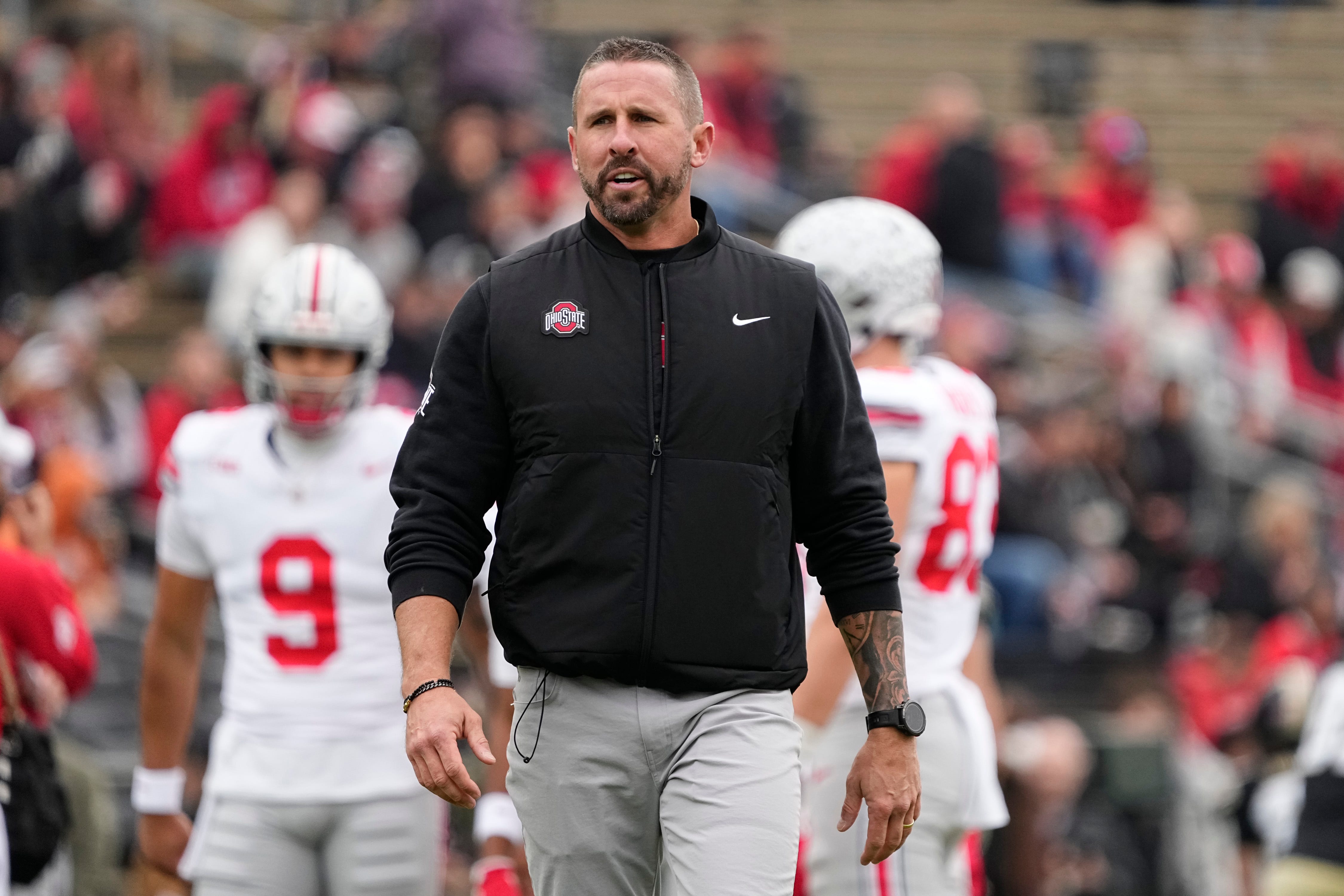
As offensive coordinator and wide receivers coach at Ohio State, Brian Hartline has emerged as a rising name in the coaching carousel. Backed by elite recruiting credentials that include consistently high composite ratings for his receiving crew and the trust of a program built on winning, betting markets rank him second behind Drinkwitz in the Penn State sweepstakes at roughly 11%.
If hired, Hartline would bring proven recruiting prowess and direct access to Big Ten pipelines that Penn State desperately needs to reinforce. However, the significant caveat that remains is his complete lack of head-coaching experience. Making the leap from offensive coordinator to leading a flagship program represents a substantial and uncertain transition that could expose Penn State to considerable risk.
3. Mike Elko
At Texas A&M, Mike Elko has built a reputation as a defensive architect, guiding the Aggies to a solid 8-5 season in 2024 while earning strong credibility with players and staff.
He remains firmly on Penn State’s list of top candidates because his defensive stability aligns with what the Nittany Lions need during a major rebuild, but major questions linger about whether his more conservative offensive profile fits a program seeking a dynamic, forward-leaning identity.
4. Jeff Brohm
Jeff Brohm’s tenure at Louisville has drawn considerable praise, earning him explicit mention on ESPN’s early Penn State candidate list, thanks to his reputation for quarterback development, ability to secure signature victories, and polished media presence. His appeal lies in being a seasoned head coach capable of navigating the complexities of the modern college football ecosystem — NIL management, recruiting infrastructure, and brand stewardship — skills that Penn State arguably needs in its next leader.
However, questions linger about whether his lack of Big Ten experience aligns with what Penn State’s administration might prioritize, while the potential presence of strong internal candidates could further complicate his path to State College and make this hire less straightforward than it appears on paper.
Penn State Nittany Lions News
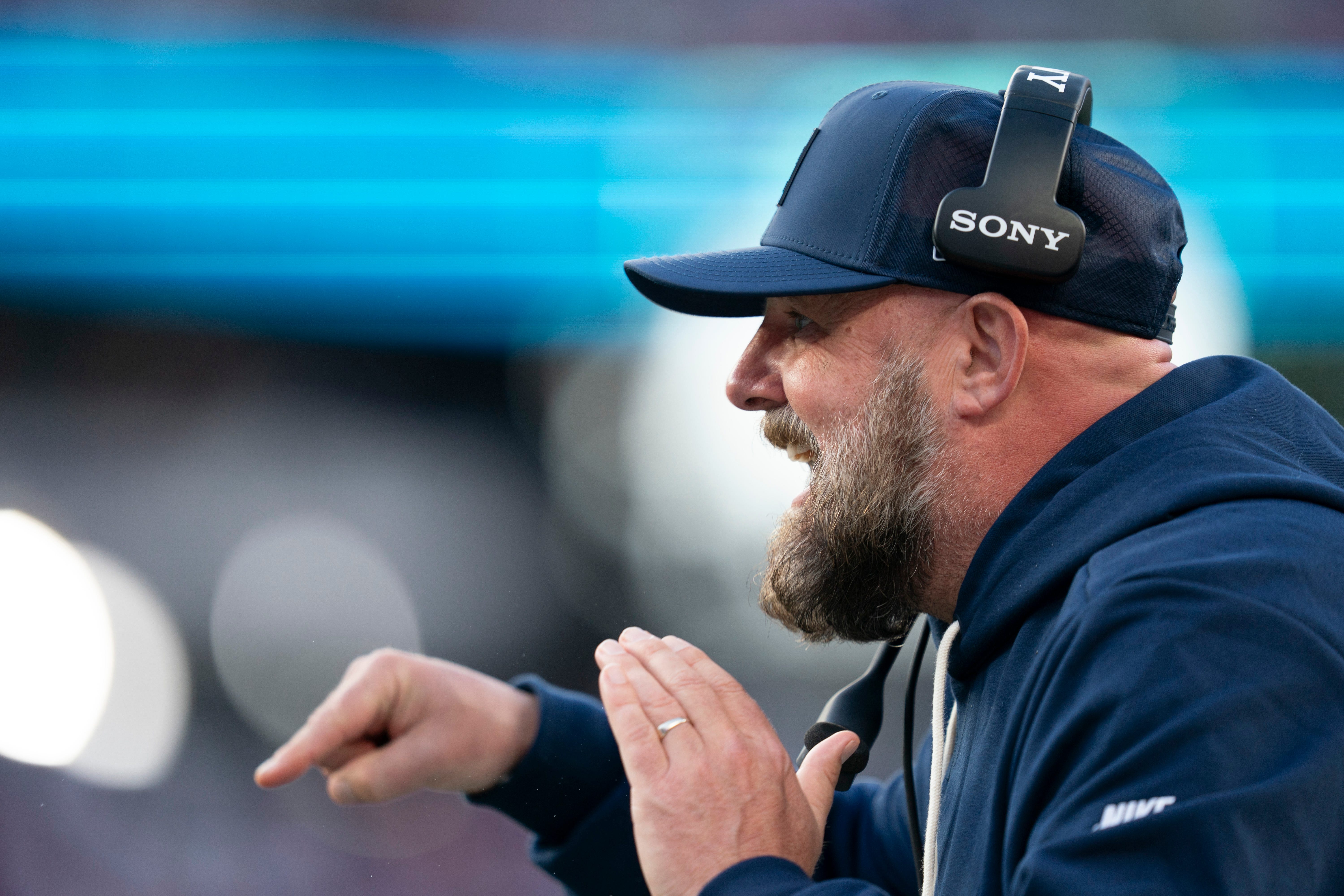
Pat McAfee pours fuel on Penn State coaching rumors, says Brian Daboll ‘would be a massive splashy hire’ for Nittany Lions
McAfee sparks Brian Daboll rumors at Penn State, calling the former Giants coach a strong fit for the Nittany Lions.


