
Grading the Bears' decision to trade Khalil Mack to the Chargers
The Bears traded Khalil Mack on Thursday to the Los Angeles Chargers after a week of heavy speculation, marking the official move from the Ryan Pace/Matt Nagy era to the Ryan Poles/Matt Eberflus era. Yes, it's typically a surprise to see such a big name moved, however, when you look at Mack's contract, the Bears' […]


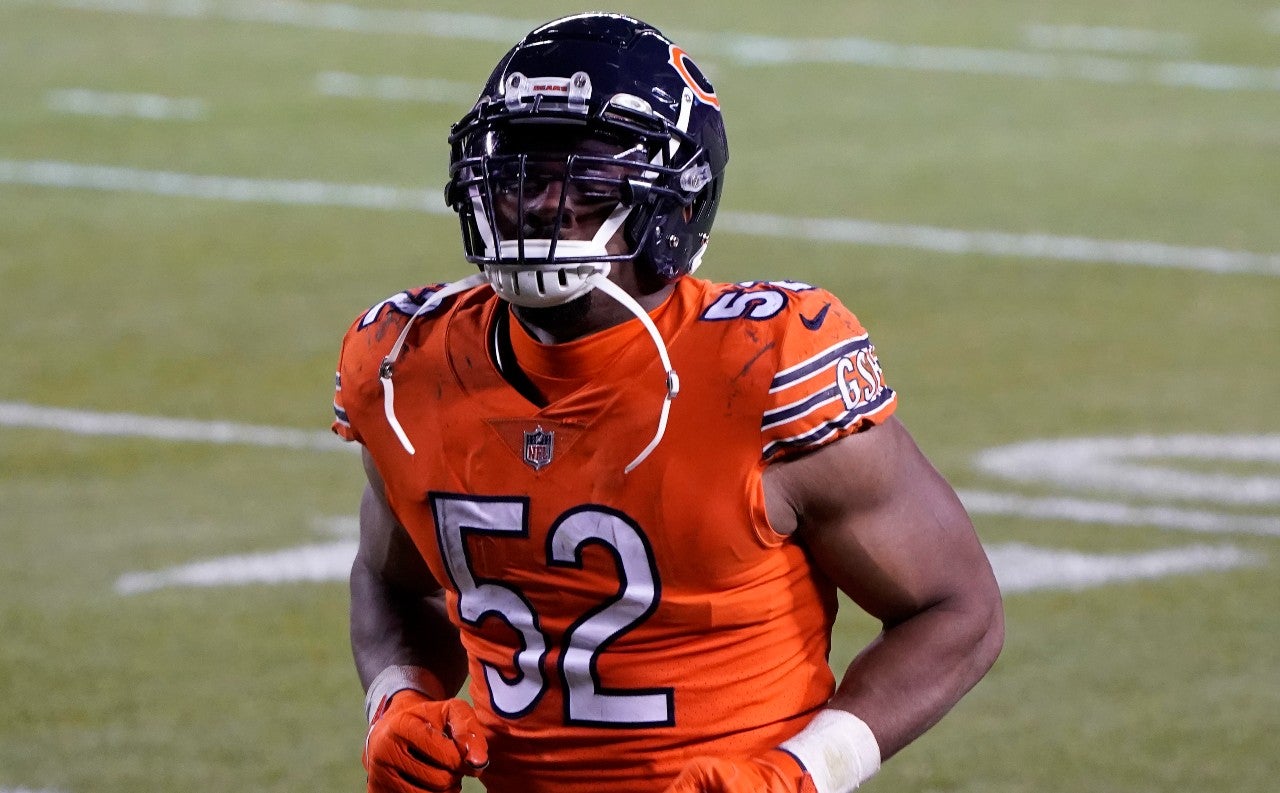
The Bears traded Khalil Mack on Thursday to the Los Angeles Chargers after a week of heavy speculation, marking the official move from the Ryan Pace/Matt Nagy era to the Ryan Poles/Matt Eberflus era.
Yes, it's typically a surprise to see such a big name moved, however, when you look at Mack's contract, the Bears' 2022 draft picks, and just the overall direction of the Bears franchise – it's logical to see why they decided to trade Mack.
But let's save all this for the actual discussion and grading of the Bears' decision to trade Mack.
Examining the Bears' decision to trade Mack
Now that the dust has settled from yesterday, what's the outlook?
When you zoom out and look at the big picture, the trade makes a ton of sense. The Bears are going in a completely different direction with Poles and Eberflus. Moving Mack not only sheds the stink of the Pace/Nagy era, but Mack also wasn't a fit for what Eberflus and Alan Williams want to do on defense. Plus, Mack is coming off foot surgery, so his actual contributions and his actual impact in 2022 remain to be seen.
Not many in Chicago want to hear this, but the Bears are definitely in rebuild mode. This trade signifies that statement. A second-year quarterback, little-to-no skill players, hardly any trenches on both sides of the ball, and only a couple playmakers on the second and third levels of the defense also attest to it. Eberflus knows what Mack is all about and he needs to get his guys on the roster in order to see how he can make everything work. Trading Mack to the Chargers allows him to do that.
The Bears' decision to trade Mack also shows total confidence in Eberflus and his vision for the franchise. It's obvious he and Poles have been communicating efficiently and effectively. This type of move doesn't happen (usually) unless both parties have signed off after deep conversations. That's a good sign in itself.
Overall, it's a decision that shows the Bears aren't just training for the sprint. They know this job is a marathon and that's what they're dedicating their time toward.
But now let's talk about the financial aspect, where things get a bit muddy.
Just one 2022 draft pick in a year where you have just five total picks and no first- or fourth-rounder? For Khalil Mack? That's a big woof, right there.
Sure, the Bears now have two second-round picks (Nos. 39 and 48). They can probably use both of those picks to move into the first round, but it would be the back end of the first round, at best. If they want to move up further, it will certainly require that 2022 third-rounder and likely a pick next year, which would be counterproductive. This draft is deep past the first round, so it would be wise to stay put. Most likely, the Bears do just that and get two guys who should make an impact in 2022.
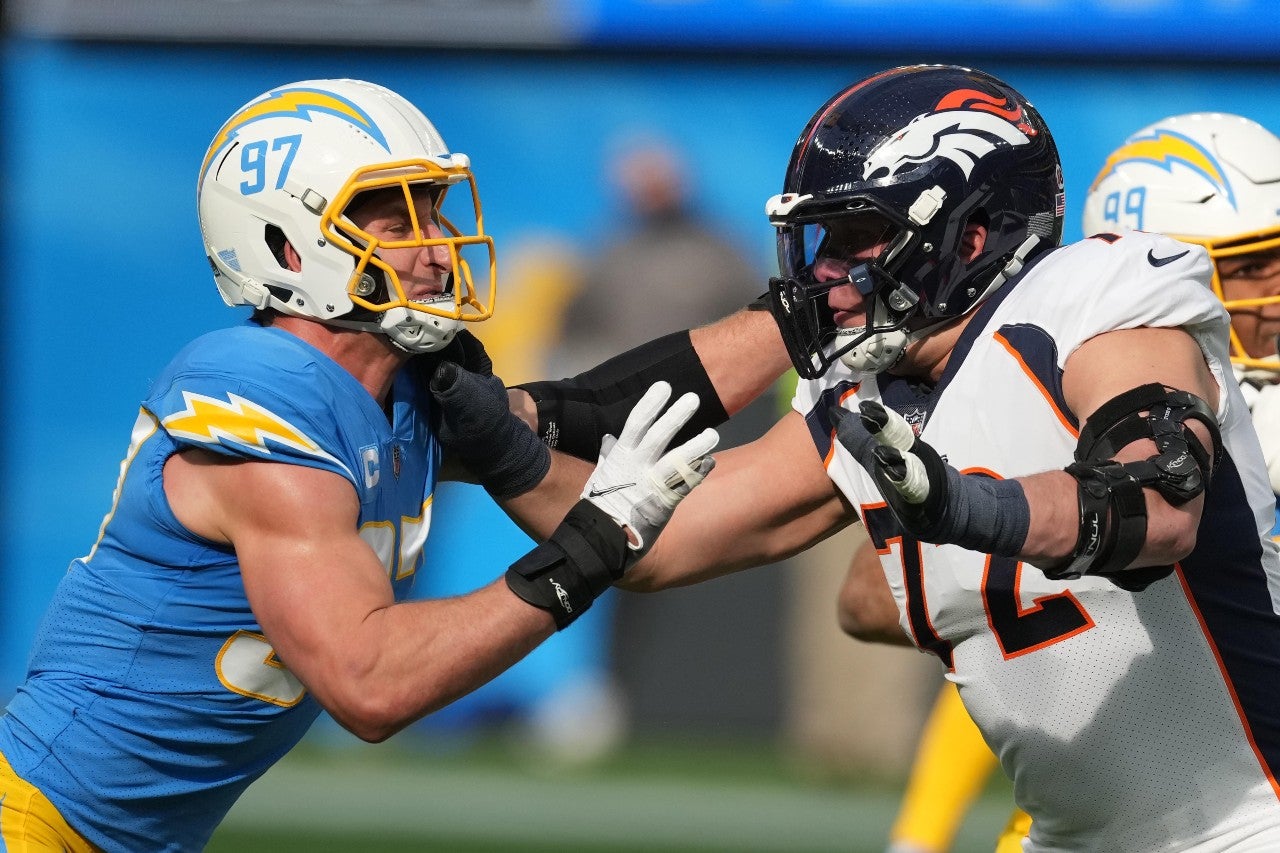
Failing to get at least one more 2022 pick is bad news, however. Especially with a player of Mack's caliber. Yes, he's coming off surgery, but the guy had 6.0 sacks in seven games before his foot injury. He was looking like the old Mack before the injury. His cap hit over the next three years (for the Chargers) is semi-manageable, as well. He has big base salaries and roster bonuses that can be manipulated if the Chargers choose to do so. It's not like LA was taking on some insurmountable deal that will cripple them over the next three seasons.
But, the Bears were stuck with Mack's gigantic signing bonus/restructure add-ons, which were big reasons why they decided to trade him.
But still. The Bears should've been able to get a third in 2022 or a fourth, at worst in this trade.
Chicago avoids paying Mack the $5.5 million roster bonus that was due on March 18 and it saves approximately $6 million, but that's minimal savings for a player of Mack's caliber. If it were north of even $8-$9 million would be a different story. However, it's not.
And it's not like the Bears were in cap trouble. They had approximately $19 million in effective cap space before the trade. They didn't need to scrape for every penny.
Final Grade: C+
The big picture is always important, so Chicago gets a ton of credit for showcasing their vision for the future. The return and the financial aspect clouds the overall deal, though.
And there's also this when it comes to the big picture:
If they decided to roll the dice on Mack this year and if he would've returned to the 2018 form or even 75% of that form, then Chicago could've (and would've) received a whole lot more in return next year. And, the Bears would've saved $16 million if they decided to trade or cut Mack next year. That's worth rolling the dice on.
However, the Bears need to get things in motion now, not later. You can't waste years in the NFL and Poles/Eberflus are making sure they get started off on the right direction –their direction– in 2022.
Overall, it a sensible trade. You just wish the Bears would've gotten more in return.
Featured image via Mike Dinovo-USA TODAY Sports


