
Jonathan Gannon’s arrival forces Packers pieces to navigate the upside and downside of Matt LaFleur’s biggest call
Different scheme, different reality for several players in Green Bay.


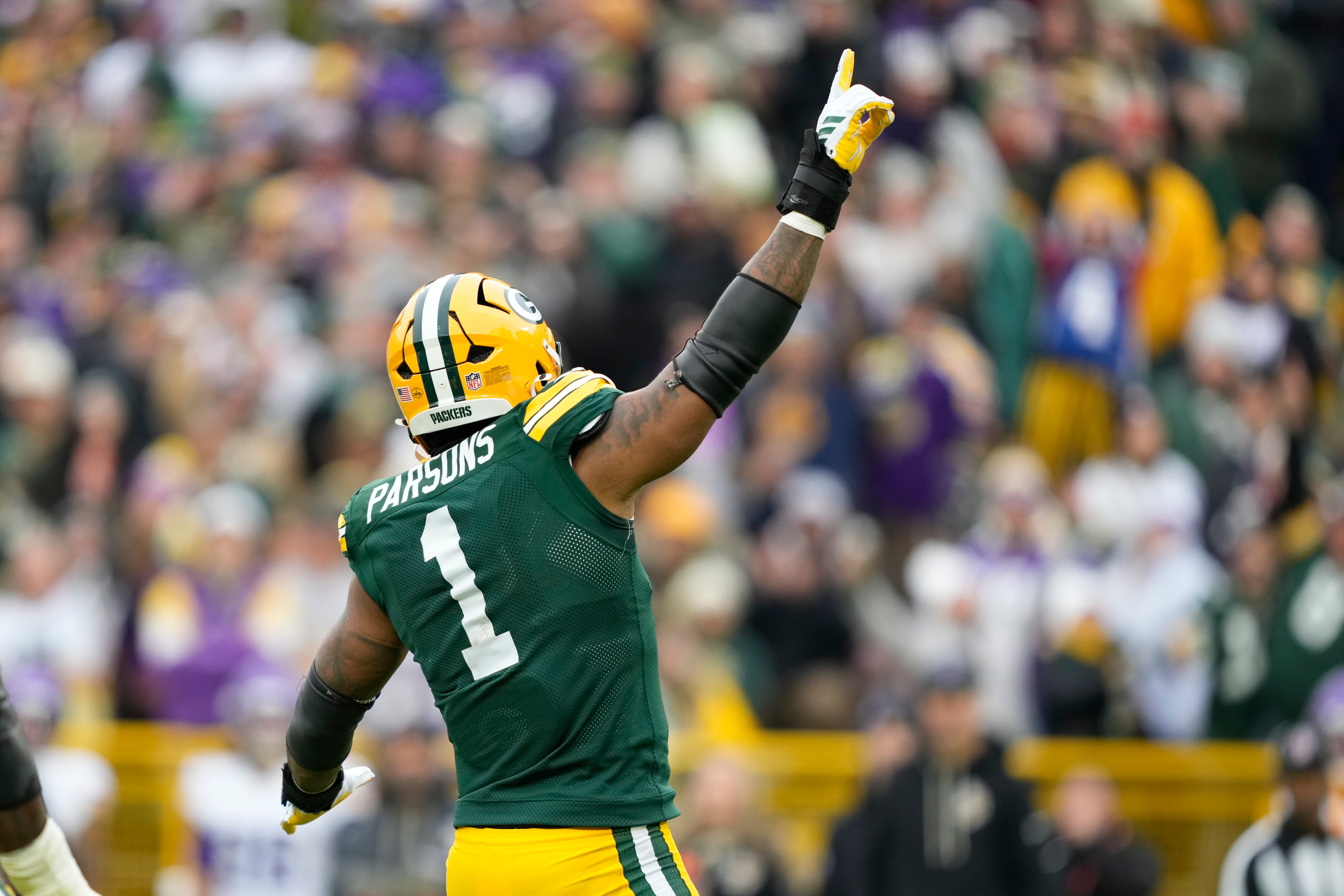
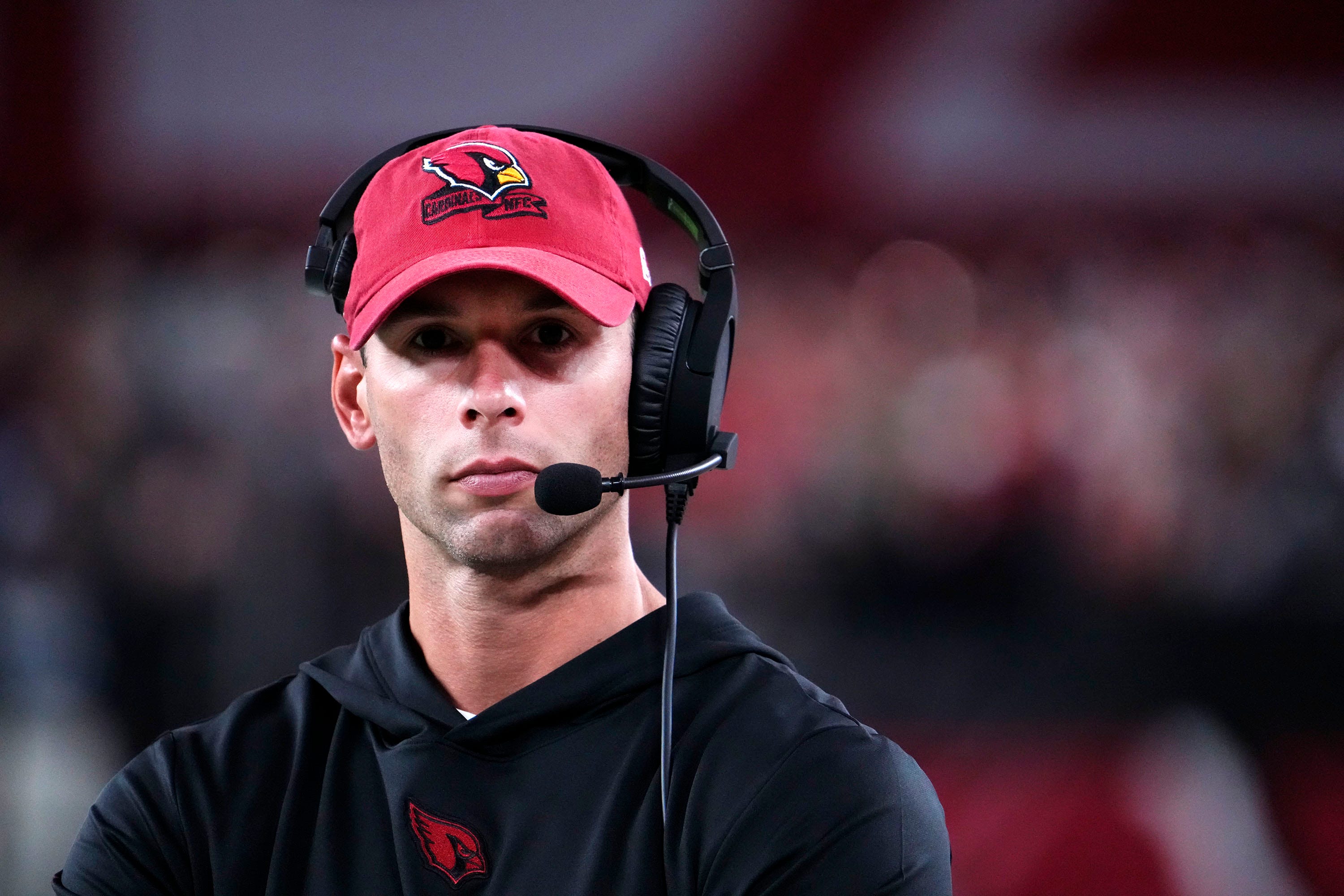
The Green Bay Packers decided to hire former Arizona Cardinals head coach Jonathan Gannon to be their next defensive coordinator. After two years with a 4-3 base and heavy Cover 3 usage under Jeff Hafley, the Packers are likely going back to a quarters world and a 3-4 base.
While the base itself isn’t that impactful these days, the style of defense will change — and that inevitably affects players positively or negatively throughout the next few years.
So, let’s discuss who are the winners and losers of Matt LaFleur’s decision to hire Gannon.
Winners
Micah Parsons
Parsons’ talent is scheme-transcendent, so he will be effective for the Packers no matter what. That being said, there’s a good chance he fits Gannon’s philosophy particularly well. Gannon uses a lot of five-man fronts, which stresses the offensive line and reduces the opportunities for offenses to double- and triple-team Parsons.
Moreover, three interior defensive linemen on the field should alleviate Parsons’ run-defense responsibilities, giving him more freedom to do what he does best — rush the passer.
Karl Brooks
The defensive scheme will be especially different for interior defensive linemen. Instead of playing with two defensive tackles in base, the Packers will play with two 3-4 defensive ends and a nose tackle — and while the defense may play nickel a lot, Gannon does lean on five-man fronts as previously mentioned. Because Brooks is such an impressive penetrator from the interior, but also an undersized lineman, fronts with three interior players tend to fit his game better.
Evan Williams
If Williams was already important as a run defender in Hafley’s scheme, this trend tends to be even more impactful under Gannon. That’s because the new Packers defensive coordinator likes to rely on three-safety looks, replacing an off-ball linebackers with a third safety on the field. That’s great for coverage, but theoretically affects the defensive ability to stop the run on the second level. However, Williams is a fantastic run defender (82.1 PFF run defense grade in 2025), which gives Gannon more flexibility to play Williams alongside Xavier McKinney and Javon Bullard deep, potentially with Nate Hobbs in the slot.
Losers
Isaiah McDuffie
McDuffie was a Boston College player under Jeff Hafley and gained more space within the Packers after Hafley arrived. With the new defensive scheme, only two off-ball linebackers will be on the field at the same time (at most, since sometimes there will be only one). And coverage is a main priority, giving an edge to Edgerrin Cooper and possibly Ty’Ron Hopper.
Quay Walker
Well, talking about problems in coverage for an off-ball linebacker. Walker is a pending free agent, and it’s harder to justify an investment to keep him around under this new defensive philosophy. In 2025, Walker was dead last amongst Packers’ linebackers in passer rating when targeted (120.8), and while his theoretical sideline-to-sideline speed would be useful, his weaknesses tend to be more exposed in this scheme. More than elite athetic ability, a linebacker for Jonathan Gannon has to know where to be.
Rashan Gary
Gary has played at a good level in 3-4 base defenses, so that’s not necessarily a prohibitive element for his success. However, the former first-round pick became significantly less explosive since his ACL injury, and Gannon uses front alignments that theoretically give an advantage to benders and speed rushers instead of powerful or heavier pocket-collapsers.
Green Bay Packers News
Packers embrace unpredictability and a more versatile vision with Jonathan Gannon as the defensive coordinator
Gannon has different schematic backgrounds.


