
Packers hint at offensive wrinkles in training camp that may or may not stick around throughout the regular season
Offensive personnel variety is a frequent topic of conversation around Green Bay


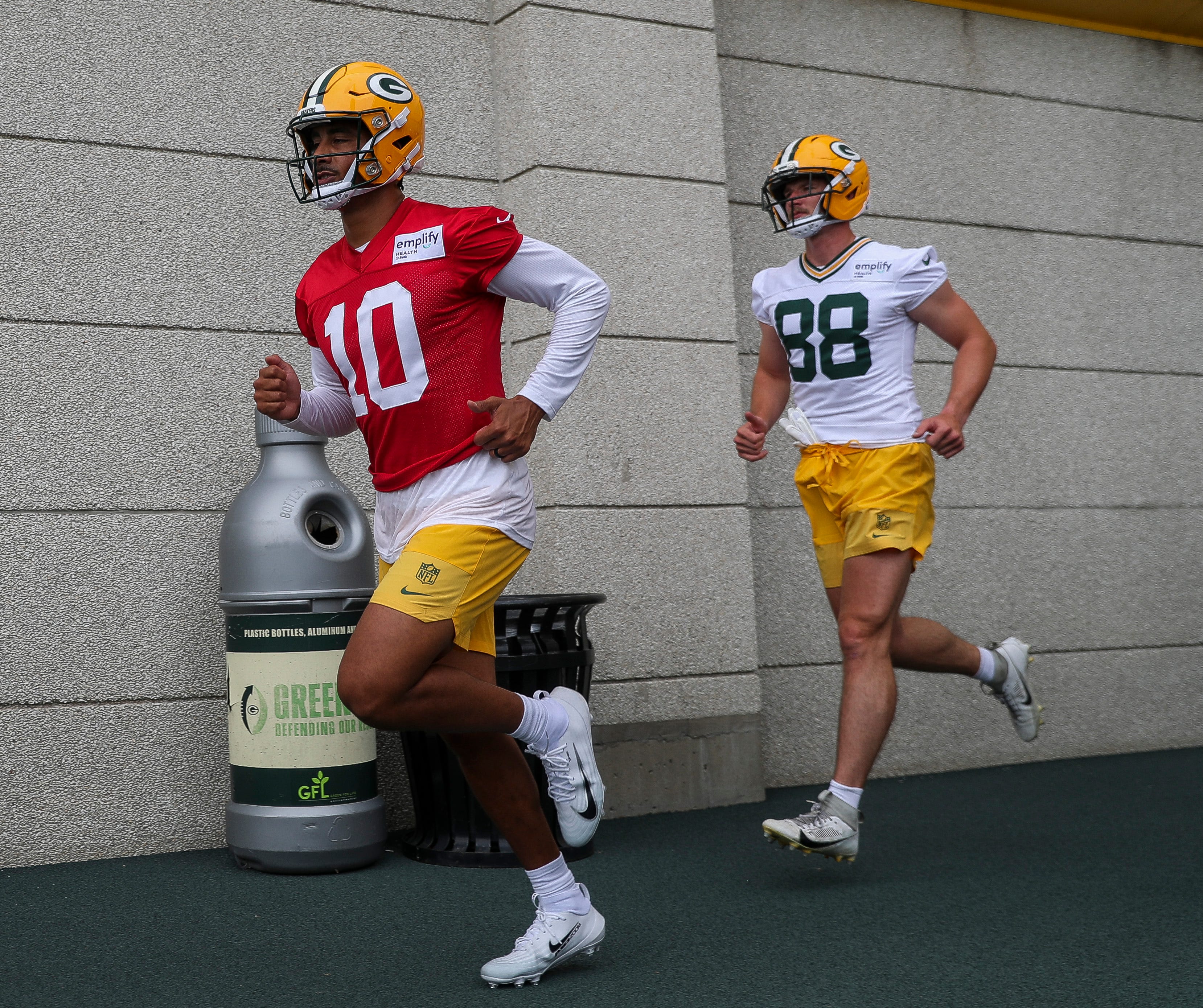
Three weeks of training camp have gone by, and the Green Bay Packers are on the verge of facing the New York Jets in their preseason opener on Saturday. It has been possible to analyze trends, both individually and collectively, and make better-informed projections about what the 2025 regular season will look like.
So it’s the perfect time for a Packers mailbag.
That’s a great question, because it has so many layers. First, I don’t think they will actually utilize 12 personnel in the games as much as the starting lineups in practice would indicate. Last year, it was the same thing. A lot of 12 personnel in practice, and by the end of the season, Green Bay had played in 11 personnel 67% of the time, via Sumer Sports, against 24.6% of 12 and 5.9% in 21. Also, the team was more efficient in 11, being sixth in EPA, 11th in 21, and 18th in 12.
The second point is the likely explanation for all of this. Wide receiver Jayden Reed hasn’t been on the field as a boundary receiver, playing exclusively in the slot. So Reed only plays when it’s 11 personnel. Therefore, any change in personnel would mean the team’s most prolific receiver of the past two years on the bench. Who would you prefer on the field? Jayden Reed, Luke Musgrave, or Chris Brooks. Situationally, the answer could be Musgrave or Brooks. But most of the time it will be Reed, and it is for Matt LaFleur as well.
This is an era where players have a voice and are not afraid to share. And since Matt LaFleur took over, he has incentivized a player-led culture. So that’s a consequence of it. But Matt LaFleur is clearly respected all around the roster because of his football knowledge and hard work.
Sometimes, leading a 90-man group is tough, and that’s why Rich Bisaccia’s role within the coaching staff goes well beyond his special teams coordinator duties.
In general, LaFleur may be right to demand better from his players, and it’s natural that sometimes the players won’t like it—when your boss tells you are doing something wrong, you will probably not love it, even though you know they might be right and it’s for your development. This is especially true for such young players.
I would say the offensive line is better this year because Elgton Jenkins over Josh Myers at center is a massive upgrade, even though Aaron Banks instead of Jenkins at left guard is some level of downgrade. Regarding Banks, I’ve criticized the move, but mostly because of the high cost—$19.25 million a year is a lot of money for a non-elite guard without positional versatility—, but he is a fine player.
It’s been clear to me that Jordan Morgan is not ready yet to be a left tackle, so Rasheed Walker should stay there at least one more year. We’re about to see if the coaching staff will give Morgan more exposure at tackle anyway or if they will move him to right guard once again, so he would have a realistic chance of competing with Sean Rhyan to start inside.
Right now, the best offensive line combination has Rasheed Walker, Aaron Banks, Elgton Jenkins, Sean Rhyan, and Zach Tom. But I think Morgan would bring an interesting element of athleticism inside if he had another shot. If that’s the case, Rhyan would be the swing interior offensive lineman, and second-round rookie Anthony Belton would be the swing tackle.
Regarding the future, concerns are more valid. Walker and Rhyan will be free agents, and if Morgan can’t play left tackle, they will have to find a way to keep Walker—or to play Belton there.
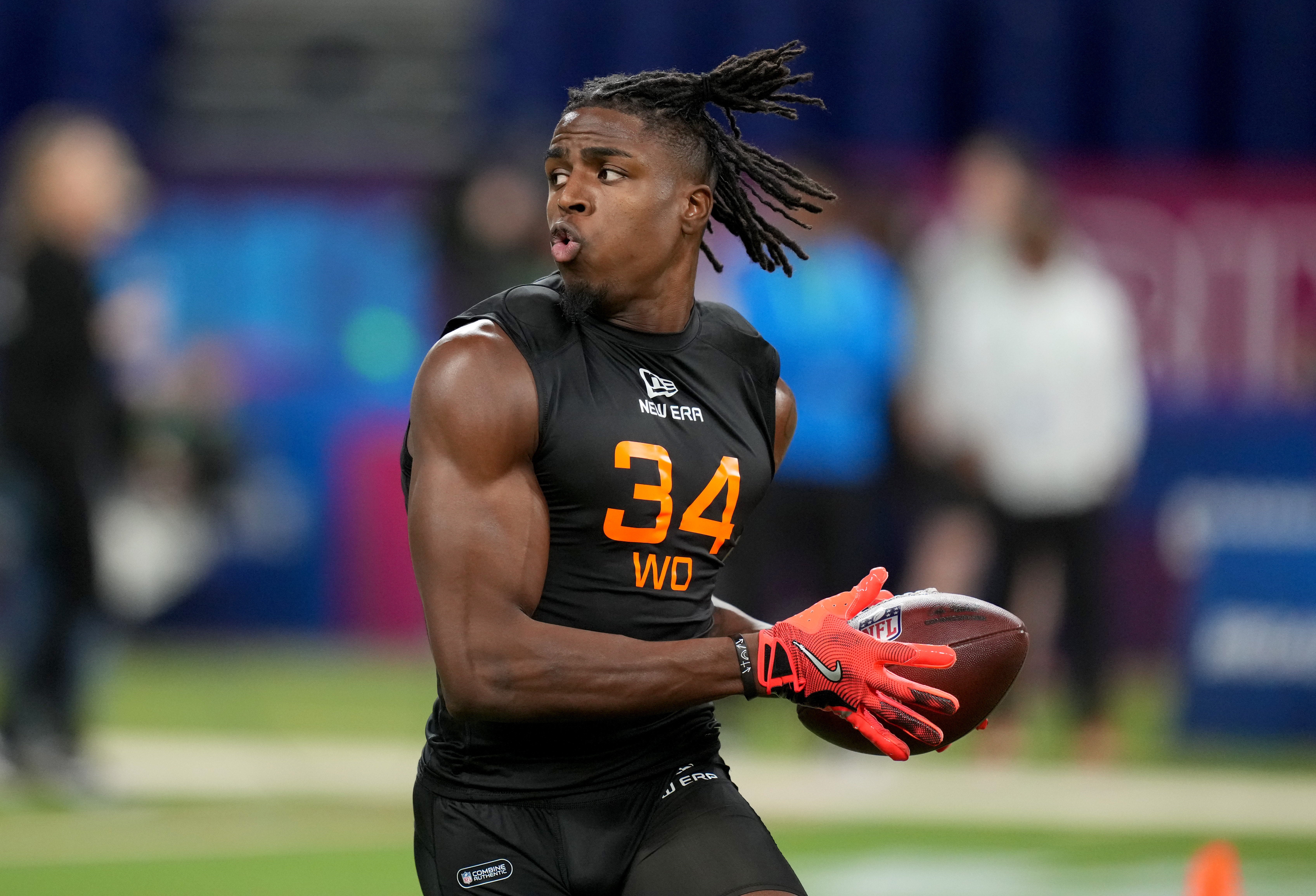
It’s not as surprising as it is reinforcing, but rookie wide receiver Matthew Golden seems to be everything the Packers could hope for from a first-round pick.
I know the front office had been resistant to taking receivers so early—Golden is the first wide receiver drafted in the first round by the Ron Wolf tree ever. But these days, wide receivers come into the league fairly ready, and Golden particularly is a very polished player.
The combination of high impact on the field and maximization of surplus value throughout the rookie contract, especially based on what the veteran receiver market looks like, makes the idea of taking Golden early super smart. And the results on the field, considering reports and what everyone around the Packers have said, couldn’t have been better so far.
Green Bay Packers News
George Kittle delivered powerful comment about new Packers WR that sheds light on what Green Bay saw in the player
49ers tight end was impressed by the rookie


