
Some important details make Jordan Love's contract even better for the Packers
The Green Bay Packers signed Jordan Love to a four-year, $220 million extension, securing their franchise player through 2028. That per se is great news for the team. We have already mentioned how the full structure is a positive factor, since Love will play under pretty manageable cap hits through 2027, at least. Now, new […]


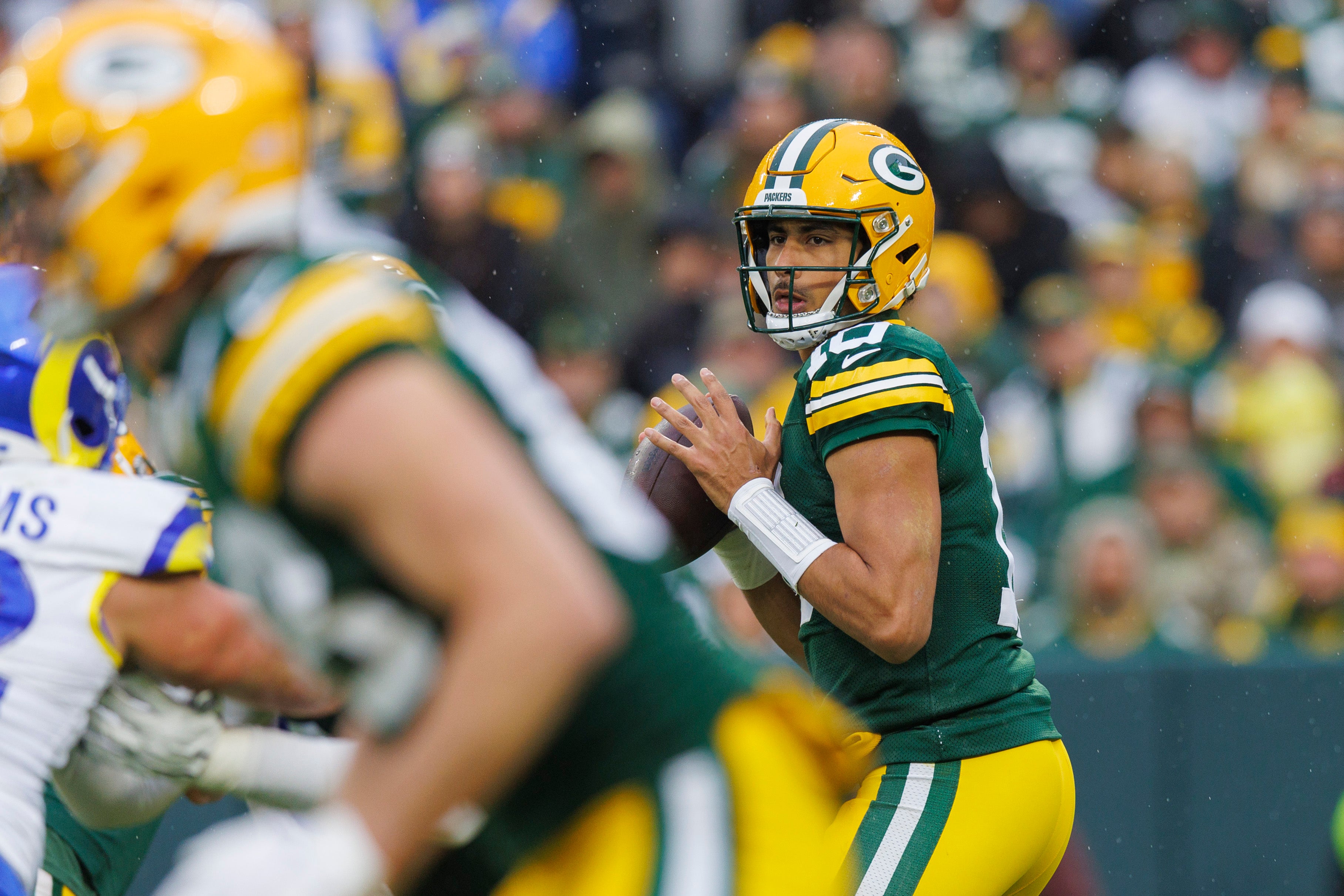
The Green Bay Packers signed Jordan Love to a four-year, $220 million extension, securing their franchise player through 2028. That per se is great news for the team. We have already mentioned how the full structure is a positive factor, since Love will play under pretty manageable cap hits through 2027, at least.
Now, new details of Love's extension have emerged, and those smaller points make the deal even better for the Packers — mostly because they can end up being huge factors down the road.
Ken Ingalls, a Packers cap independent analyst, brought the new details.
What matters
The fact that the deal does not include no-trade and no-tag clauses (especially the latter) is absolutely huge for Green Bay. The contract was specifically structured projecting a new extension after the 2027 season, and the Packers having the ability to tag Love down the road is significant. Green Bay will probably not use the mechanism after all, but having that as a tool is relevant to negotiate a more team-friendly deal before the current contract is up.
A good example of how important this can be is Dak Prescott's situation with the Dallas Cowboys. When the parties negotiated a deal in 2021, the quarterback was coming off two franchise tags and had a lot of leverage. He took advantage of that, securing no-tag and no-trade clauses. Three years later, Prescott is entering a contract season, and the Cowboys simply can't make sure he will be on the team in 2025. If Dak wants it, he will hit the open market. And to avoid that, the Cowboys will have to pay him a lot of money — and a player-friendly structure once again.
The Packers could use two franchise tags on Love in 2029 and 2030 — a third would be 140% of the previous salary, which is practically unrealistic. Those would be huge cap hits, so obviously a new extension before that stressing point is likely, but it's a form of control that's important in negotiations.
Offsets
Another significant detail of the contract is the offset language. Just like the no-trade clause, it only matters if Jordan Love regresses at some point. If the Packers release Love in the future and he signs a new contract with another NFL team, the value comes off Green Bay's books.
It might not be a huge amount, but it would help to create some cap space. A recent example of that is Russell Wilson. He was released by the Denver Broncos and signed a veteran minimum deal with the Pittsburgh Steelers, so the $1.21 million base salary amount won't count against the Broncos' cap.
The rest of the details are mostly usual stuff. Auto-conversion rights allow the Packers to unilaterally restructure Love's contract in the future to create cap space, since the quarterback's payment wouldn't change — it's just a structural move to circumvent the salary cap.
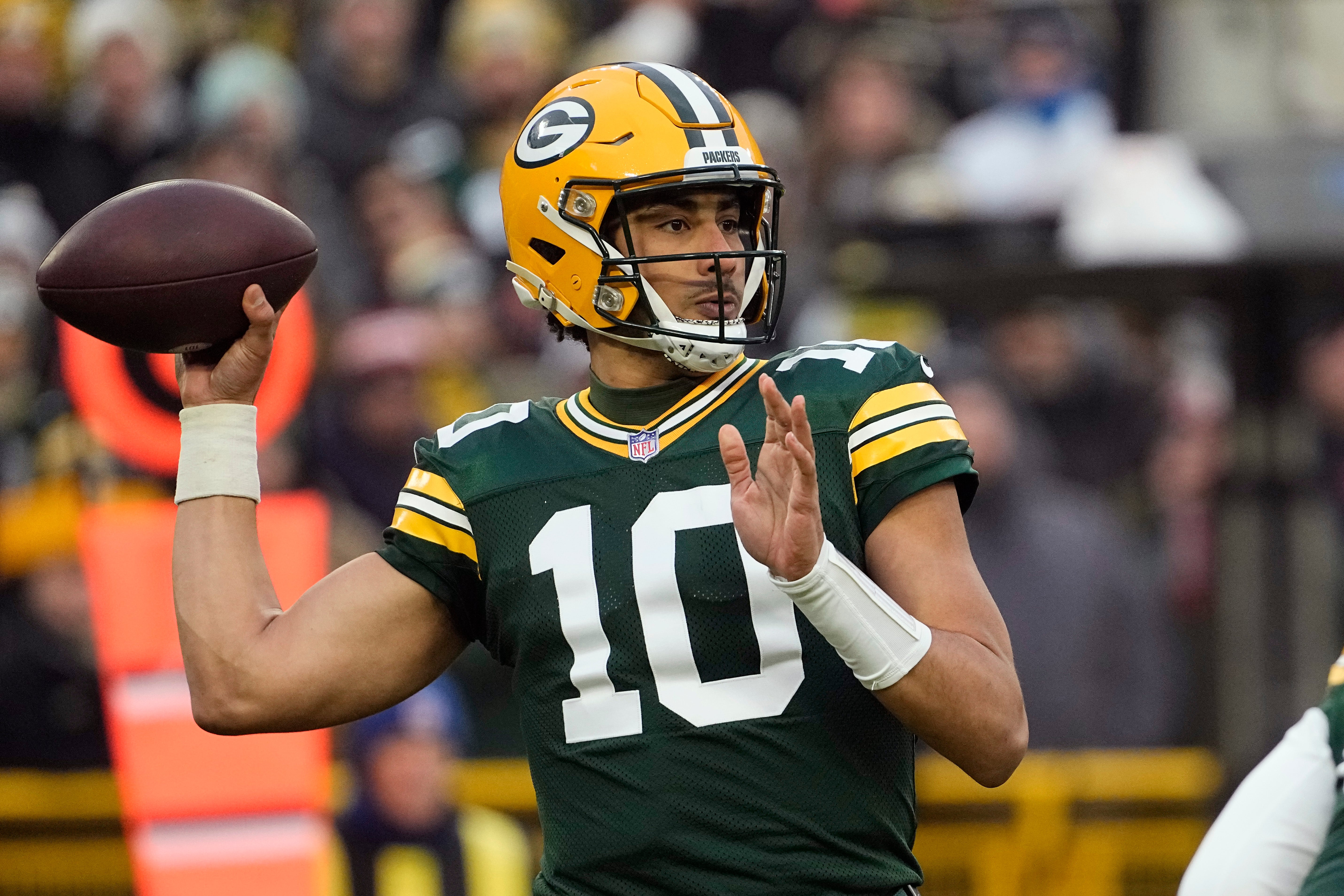
Packers make solid, but imperfect decision in Jordan Love’s contract extension structure
Jordan Love is now under a long-term contract with the Packers


