
Penn State coaching search: How Nittany Lions are driving massive contract extensions across college football
Penn State’s coaching search has spiraled into the most chaotic saga of the cycle, as top candidates use the Nittany Lions for leverage, eight coaches sign massive extensions, and the program turns to options like Brian Daboll after Jeff Brohm and Kalani Sitake say no.



Penn State’s coaching search, which was intended as a fresh start for the program, has instead become the cycle’s most embarrassing pursuit.
Almost two months have passed since James Franklin’s Oct. 12 dismissal, yet the Nittany Lions remain without a head coach. Recent developments have delivered an unmistakable verdict: The program’s perceived drawing power doesn’t match reality. The evidence is impossible to ignore.
Everyone Penn State has touched got paid
The search has effectively functioned as a salary-boosting bonanza across college football. Coaches connected to the Penn State opening have systematically converted that attention into lucrative contract extensions — frequently at figures that place them beyond the Nittany Lions’ financial reach.
The list now reads like an offseason ledger of “thanks, but no thanks”:
- Curt Cignetti (Indiana): 8 years, $93 million
- Matt Rhule (Nebraska): 2 years, $25 million
- Mike Elko (Texas A&M): 6 years, $66+ million
- Eli Drinkwitz (Missouri): 6 years, $64.5 million
- Clark Lea (Vanderbilt): 6 years, terms undisclosed
- Kalani Sitake (BYU): major extension, terms undisclosed
- Brent Key (Georgia Tech): 5 years, $32.5 million
- Jeff Brohm (Louisville): new deal incoming after declining Penn State
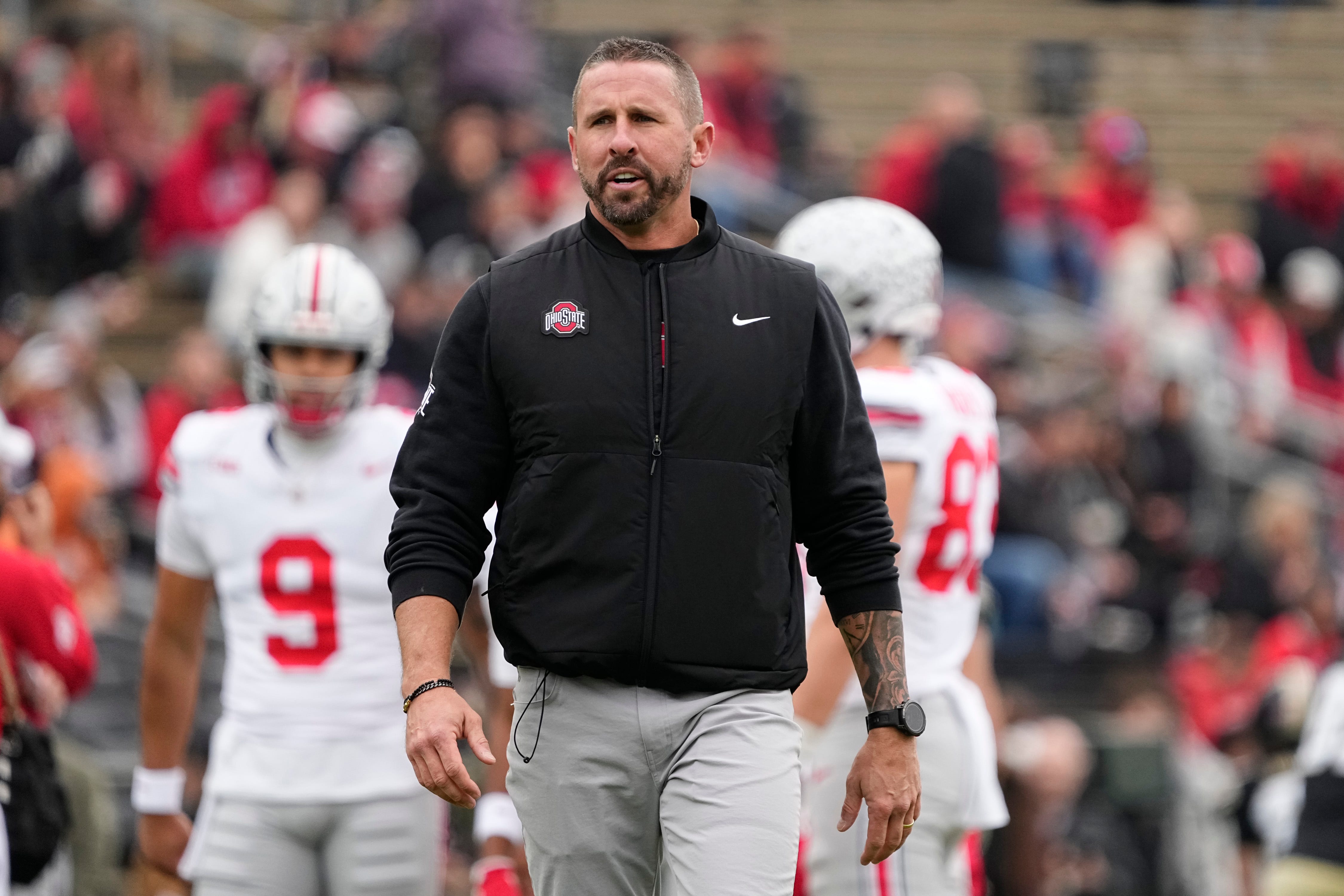
- Brian Hartline (USF): terms undisclosed
Every coach Penn State has contacted or been tied to has either stayed home or cashed in. The search hasn’t elevated Penn State’s position, but it has elevated everyone else’s.
Sitake was the latest blow. After BYU donors rallied with an aggressive retention push, the coach Penn State believed it was close to landing and stayed put. Brohm followed, declining an offer that SI reported included formal terms. Even rising candidates like Bob Chesney took other jobs — UCLA, in his case — before Penn State could act.
Meanwhile, the vacancy grows colder by the day
The Nittany Lions anticipated that parting ways with Franklin would redirect the program’s course. Instead, the search has exposed how Penn State is perceived nationally: a respectable position, but not an elite destination — particularly with Ohio State, Michigan, USC, and Oregon sharing the Big Ten landscape. The combination of elevated expectations and limited tolerance has proven problematic.
Recruiting results during the early signing period have been devastating. By Wednesday afternoon, Penn State had secured just two commitments — a dramatic decline for a program anticipating a top-15 class at season’s start. Meanwhile, Franklin is assembling a top-25 class at Virginia Tech, already poaching Penn State pledges in his first weeks in Blacksburg.
Where Penn State turns now
Following Sitake and Brohm’s decisions, Penn State’s options have become increasingly limited.
Former Giants head coach Brian Daboll remains a viable candidate — his profile elevated this week when Nick Saban called him an “outstanding hire” during an appearance on the Pat McAfee Show. However, Daboll’s background is almost exclusively professional. While The Athletic reports genuine interest on his part, Penn State must determine whether handing the reins to a college head coaching novice makes sense amid a program overhaul.
The remaining candidates have either disappeared from consideration or become financially unattainable. As one industry source put it Wednesday, Penn State has moved “well past Plan B… maybe somewhere around Plan D.”
A search that demands a reset
This has evolved beyond a simple coaching search. It’s now a referendum on Penn State’s standing in the current college football landscape.
The Nittany Lions entered this process assuming they occupied the sport’s upper echelon. The market has delivered a different assessment: they’re a mid-tier power — well-funded, competitive, and capable of success, but lacking the prestige to lure established head coaches away from multimillion-dollar contract extensions.
Eventually, someone will accept this position. Someone will make the case that Penn State can compete for Big Ten titles and playoff berths. But without a realistic appraisal of the job’s actual appeal versus its perceived appeal, the program risks finding itself in this same predicament down the road.
At this moment, Penn State isn’t dictating terms. The market is.
Penn State Nittany Lions News
What Brian Hartline accepting the USF job means for Penn State’s coaching search
Brian Hartline’s move to USF narrows Penn State’s coaching options and intensifies the urgency of its search. Here’s what his hiring means for the Nittany Lions’ next steps, recruiting stability, and the shrinking field of viable replacements for James Franklin.


