South Carolina probably had Tennessee's signals in 2022, but the Vols should've assumed that was the case
There's been plenty of debate the last few days over whether or not the Michigan Wolverines shared information with the South Carolina Gamecocks about the Tennessee Vols' play-call signals in 2022. We know that Michigan scouted a Tennessee game in person. And thanks to a report from Football Scoop, we know that Michigan may have […]


There's been plenty of debate the last few days over whether or not the Michigan Wolverines shared information with the South Carolina Gamecocks about the Tennessee Vols' play-call signals in 2022.
We know that Michigan scouted a Tennessee game in person. And thanks to a report from Football Scoop, we know that Michigan may have shared that information with another program to help disrupt a program's path to the playoff last season.
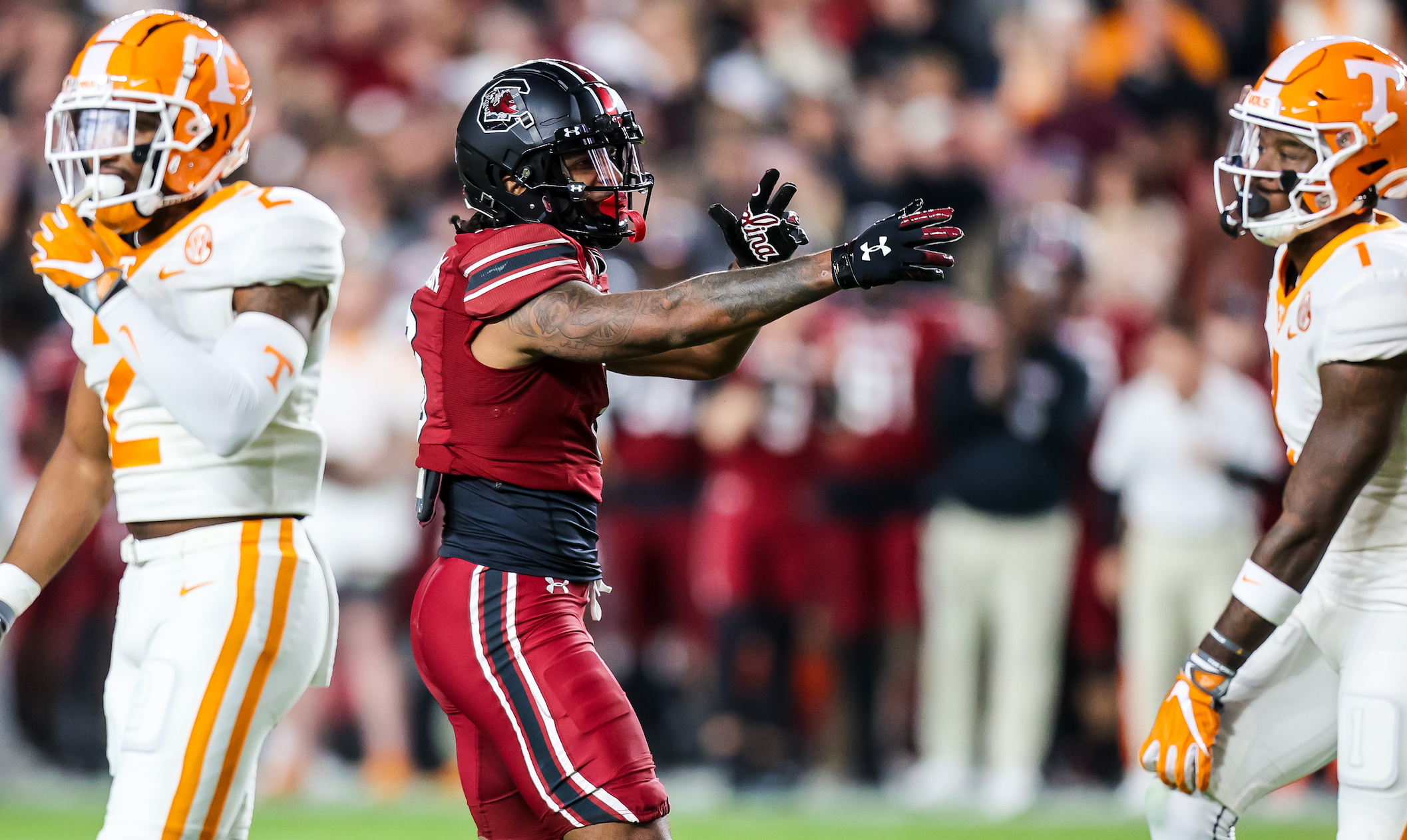
The theory among Vols fans is that Michigan shared that information with South Carolina before the Gamecocks' 63-38 win against Tennessee in Columbia last November.
At first, I thought this was just a wild conspiracy. But the more we've heard about how widespread sign-stealing is in college football, the more likely it seems that South Carolina probably had Tennessee's signals that night.
Think about it. South Carolina defensive coordinator Clayton White worked under Michigan head coach Jim Harbaugh at Stanford. So there's at least one connection.
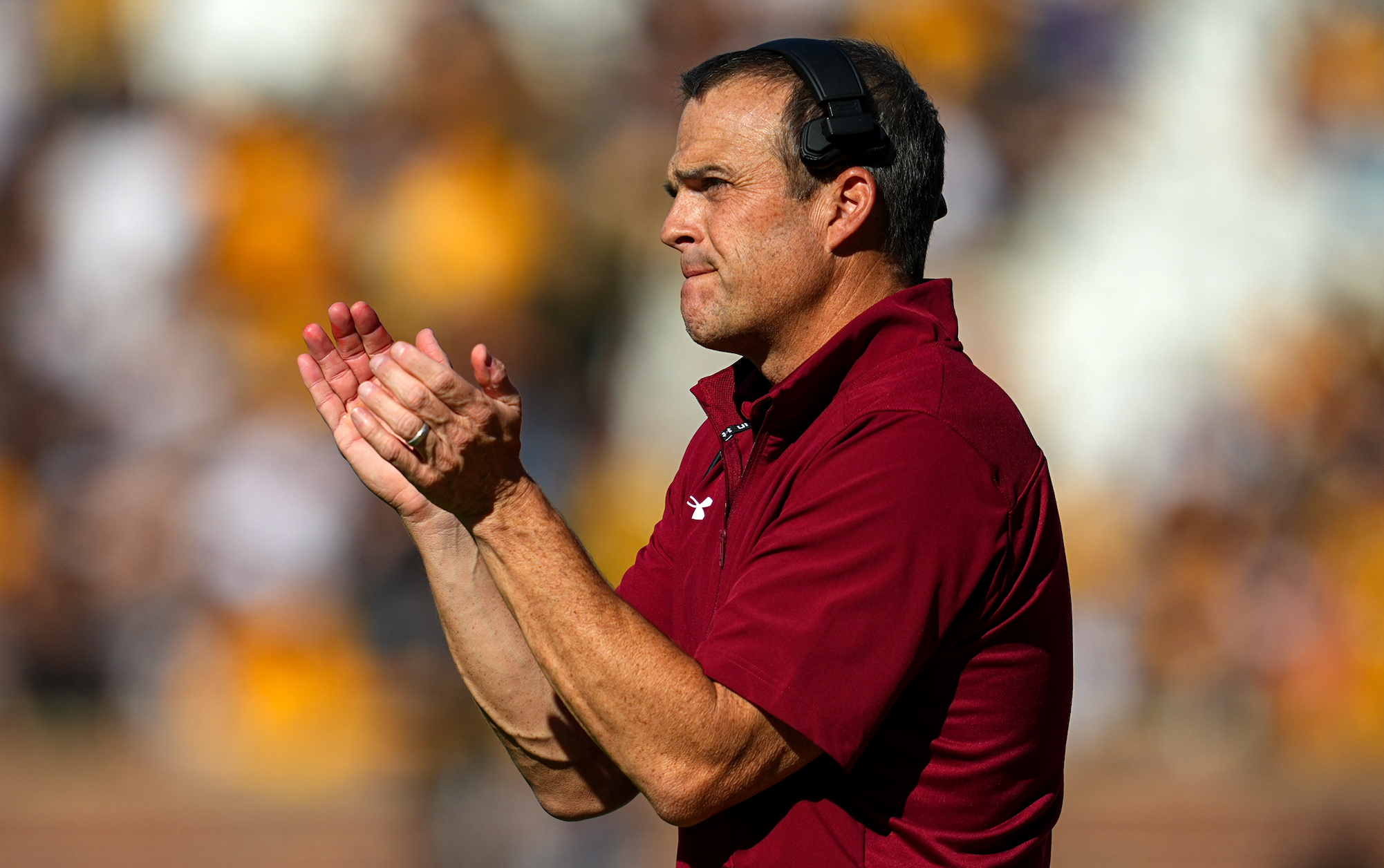
South Carolina head coach Shane Beamer has been fined before for accepting information about a program's game plans. Beamer also acknowledged last season that he'll speak to other programs about various things like tendencies, communication, etc. That's common practice, but Beamer's on the record comments are just further proof that coaching staffs talk with each other A LOT (that's obviously not limited to South Carolina).
And, of course, there's the fact that if Michigan was willing to scout games in person, why wouldn't they go a step further and try to use that valuable information to help prevent a team from reaching the playoff that they viewed as a threat (or as a roadblock to their own playoff odds)?
Logic says that someone from Michigan probably reached out to South Carolina about the Vols' signals. And South Carolina would've been foolish to not listen.
But here's the thing. Tennessee should've assumed South Carolina had their signals that night in Columbia. Everyone in college football talks. The gossip is nonstop. It's extremely unlikely that Tennessee wasn't aware of Michigan's sign-stealing efforts (a VolQuest message board poster even knew about it….coaches around the country heard the rumors…we know for a fact that TCU knew about it).
Plus there's the fact that Tennessee linebackers coach Brian Jean-Mary was on Michigan's staff in 2020. I'm sure he heard and saw some things during his time in Ann Arbor. And I'm sure he alerted Josh Heupel and the rest of the staff to whatever those things might have been.
The Vols should've assumed that South Carolina had some information that night. They should've also assumed that Missouri had the same information the week before. And you would assume that they would've changed some signs because of that.
Honestly, I'm not sure how much having Tennessee's offensive signals would've helped South Carolina anyway. Tennessee's plays aren't traditional. It's based on the defensive look and the leverage that the defenders take. When the ball is snapped, the Tennessee quarterback might not know if a receiver is going to run a deep route or cut his route off short. It all depends on how the defensive back plays it.
And anyway, the Vols still scored 38 points that night. They just weren't as crisp as normal.
(As far as defensive signals, maybe there's something to that, but I don't have nearly enough insight on how the Vols call their defense to suggest that it was or wasn't a factor.)
I'm buying that South Carolina had the Vols' signals that night, but I'm not buying that it's why Tennessee lost. The Vols just didn't play well that night. And the tape shows that.
It's a fun theory. And it's probably accurate. But there many other reasons why the Vols lost that night in Columbia. They were already in the playoff in their minds.