
Trey Smith’s record deal is the strongest signal yet that teams are retracing old steps in the NFL’s endless circle of life
The NFL is, in reality, an endless circle of life. It's true in more ways than one, with the hiring/firing of coaches, the roster turnover & attrition that happens annually, and in how the teams react and re-invent themselves to combat the trends. The Trey Smith extension with the Kansas City Chiefs embodies all of it. […]


The NFL is, in reality, an endless circle of life. It's true in more ways than one, with the hiring/firing of coaches, the roster turnover & attrition that happens annually, and in how the teams react and re-invent themselves to combat the trends.
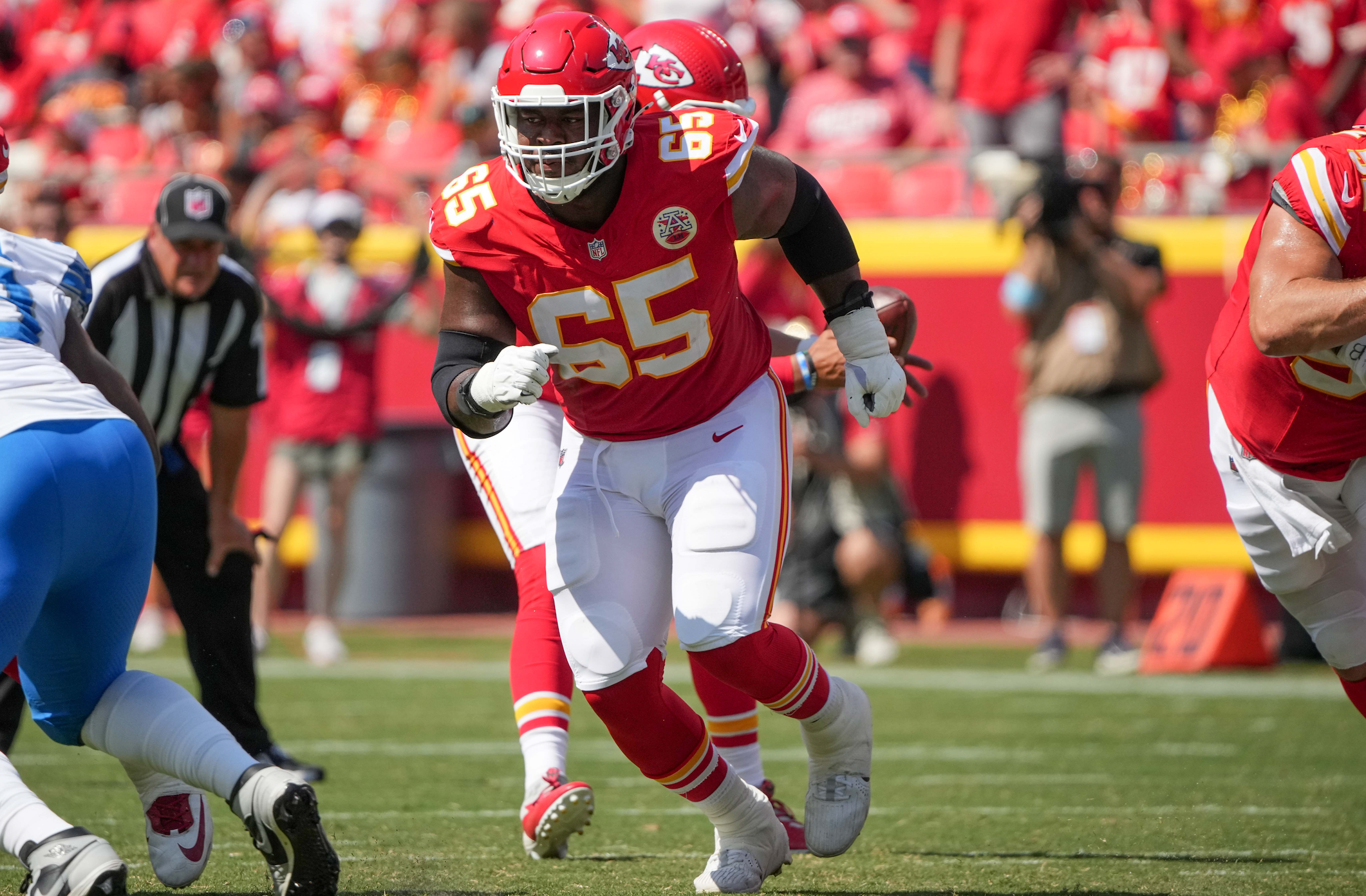
The Trey Smith extension with the Kansas City Chiefs embodies all of it. Smith steps into the role of the marquee, highly-paid guard in Kansas City — taking that mantle directly from Joe Thuney. Thuney, of course, was traded to Chicago this offseason as an aging talent due significant cash. The Chiefs rightfully prioritized the younger talent and made the transition.
But it's the big-picture of the NFL that should be the main focus here. Smith's four-year, $94 million extension with Kansas City is the latest example that the circle of life of the NFL is doubling back down a path that used to be the norm.
Trey Smith's contract is another big win for offensive guards everywhere

Smith was already scheduled to be the NFL's highest-paid offensive guard in 2025 thanks to the franchise tag. The league's collective bargaining agreement (CBA) rolls all offensive line salaries into one category. The tag's dollar figure was based largely on the average of top salaries of all offensive linemen. Since all positions are pooled together, that means those figures have mainly been offensive tackles.
But with Smith signing a new multi-year contract that puts him in a similar dollar range, he's now set to be the NFL's seventh highest-paid offensive lineman from an annual average salary standpoint, further closing the gap between top paid guards and top paid tackles. It's a trend that's emerged in free agency over recent years and Kansas City's investments in both Smith and center Creed Humphrey further underscore the interior line's value is growing in the eyes of teams across the league.
This past offseason alone has seen offensive guards sign contracts valued at $94 million (Smith), $87.7 million (Will Fries in Minnesota), and $77 million (Aaron Banks in Green Bay). Each one of these teams has multiple highly-compensated interior linemen. Kansas City is paying the league's highest-paid center and highest-paid guard. The 2024 offseason saw Robert Hunt collect $100 million in total value and the same team, the Carolina Panthers, also paid Damien Lewis a four-year, $53 million deal in free agency. Los Angeles double dipped with big money between Jonah Jackson and Kevin Dotson in 2024 as well. The Bears traded for both Thuney and Jackson this offseason, plus signed center Drew Dalman to a $14 million per season contract.
The concept of a "premium position" on the offensive line is getting blurrier. It's in part due to the structure of opposing defenses, who are preferring to sit in two-deep safety shells and cap explosive plays in the passing game. Combating that approach with more physical play and mauling linemen can help force defenses out of those conservative shells, force them to put an extra body on the line of scrimmage, and open up space down the field. But it also has to do with the nature of quarterback play and pass protection across the league.
More and more quarterbacks are being asked to win their own fair share of battles with pass rushers to extend plays. As a result, some teams are embracing a sturdy depth of the pocket inside versus sustaining the width of the pocket. Making a free-running defender miss off the edge is much easier when you can step up and then slide within the pocket. But free runners bearing down on your quarterback up the middle is the most surefire way to disrupt your quarterback's vision and confidence. As quarterbacks as a whole continue to become more dynamic and athletic to move inside and potentially outside the pocket, it will be interesting to see what teams are willing to make concessions at tackle to bolster the interior. Reduced angles to threaten the quarterback exist the further outside your defender is attacking from.
It wasn't all that long ago that marquee interior offensive linemen were Woody from 'Toy Story', an antique favorite for old-school enthusiasts who the new wave didn't want to play with anymore. The stigma was that the premium divide between elite tackles and elite interior players was a wide, vast chasm.
The league's spending trends don't suggest that to be the case anymore. Guards now own nearly half of the top dozen total value contracts among all offensive lineman in the league:
– Chris Lindstrom, ATL: $102.5 million (ranks 5th in total value)
– Robert Hunt, CAR: $100 million (ranks 6th in total value)
– Trey Smith, KC: $94 million (ranks 7th in total value)
– Will Fries, MIN: $87.7 million (ranks 9th in total value)
– Landon Dickerson, PHI: $84 million (ranks 11th in total value)
From an annual average standpoint, only two rank inside the top-12 of offensive line contracts — so this group hasn't caught all the way up. Smith now ranks 7th with a $23.5 million annual average.
It's considerable momentum to build on for guards across the league looking to maximize their earnings potential and further re-shape the perception that guards are not a premium position. Because teams are paying a premium for these interior blockers unlike they have en masse over the past few years. It's just the latest reminder of the NFL's circle of life — maulers in the middle have become all the rage once again. Rejoice, offensive line enthusiasts!
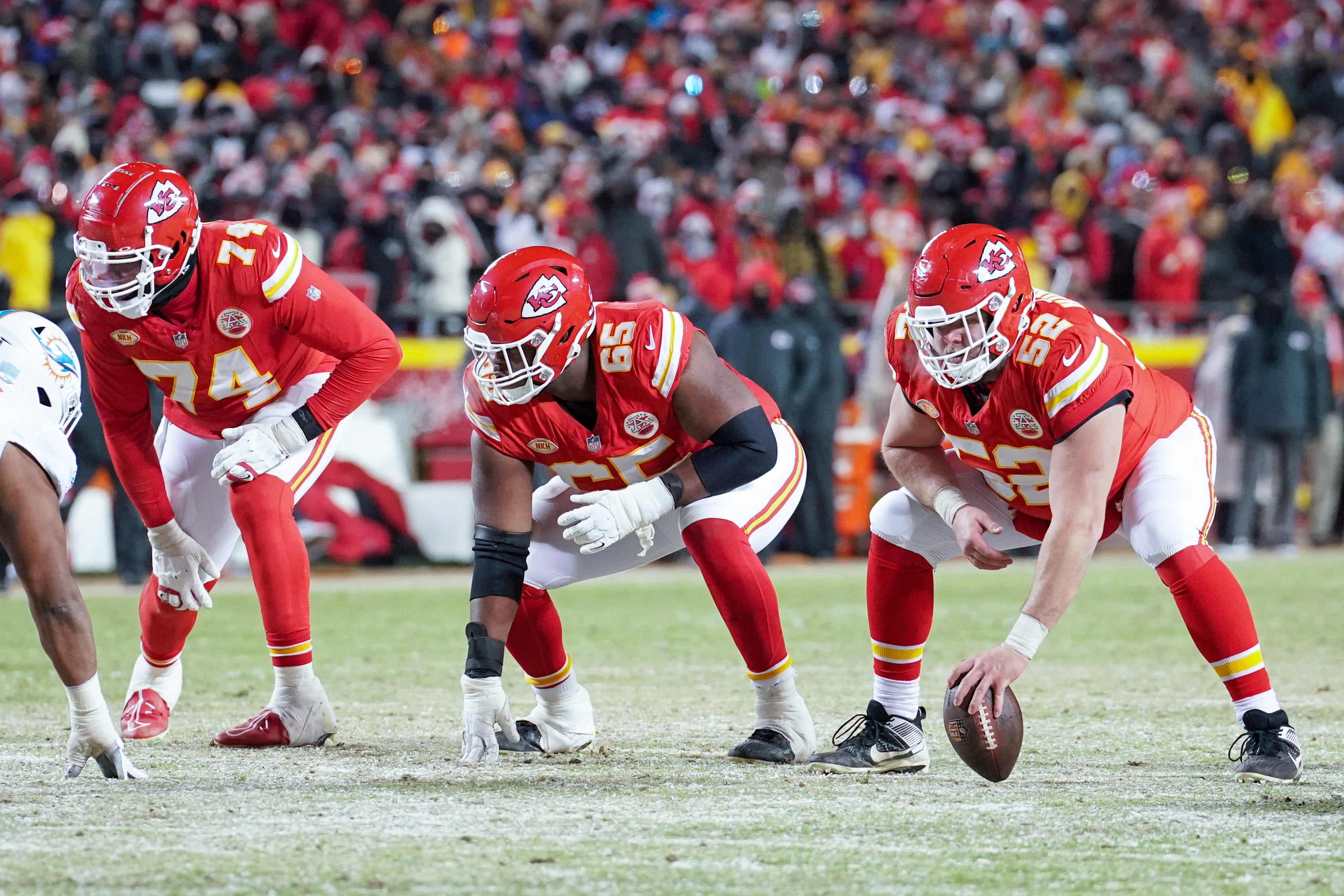
What Trey Smith’s extension means for the rest of the Chiefs’ offensive line, including a departure that’s all but guaranteed
Kansas City Chiefs RG Trey Smith’s new contract extension has far-reaching implications throughout the offensive line room.


