
Tennessee and Virginia granted injunction against NCAA
The states of Tennessee and Virginia were granted a major victory on Friday afternoon in their lawsuit against the NCAA. United States District Court Judge Clifton L. Corker granted the states' motion for injunctive relief against the NCAA stemming from their attempting enforcement of NIL related recruiting rules. As a result, the NCAA is no […]

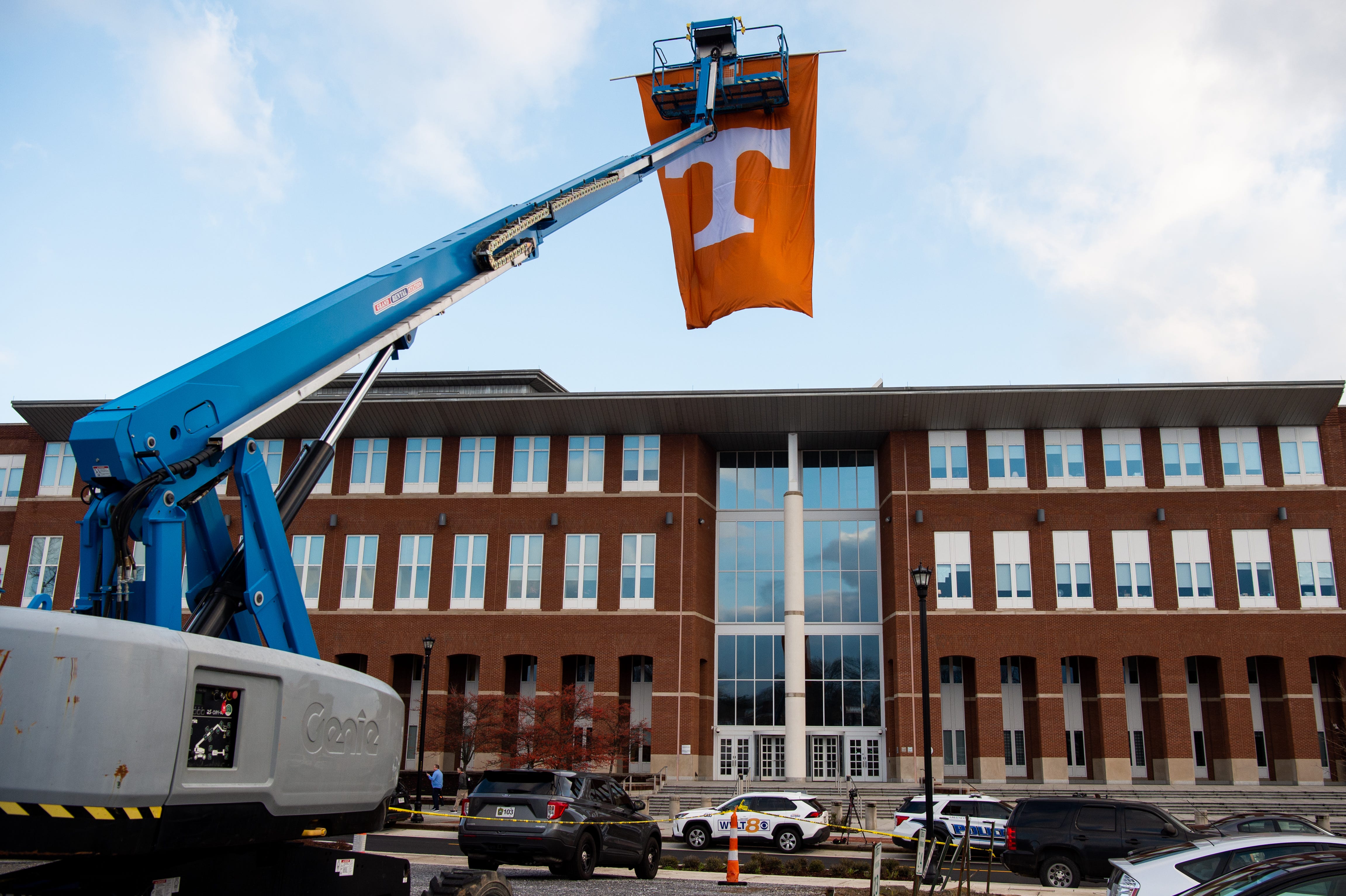
The states of Tennessee and Virginia were granted a major victory on Friday afternoon in their lawsuit against the NCAA.
United States District Court Judge Clifton L. Corker granted the states' motion for injunctive relief against the NCAA stemming from their attempting enforcement of NIL related recruiting rules.
As a result, the NCAA is no longer allowed to enforce its rules, regulations, and by laws that relate to limiting the ability of a prospective or existing student-athlete to negotiate with third parties, including boosters.
Court states again what many fans will like to hear
The analysis for the temporary restraining order – which the judge denied on February 6 – and for an injunction are basically one and the same. One of the key elements is whether the Plaintiff is likely to prevail on the merits of their case – in the states' case, that means they will likely prevail on their anti-trust claim against the NCAA. In the first order, the judge ruled that the Plaintiff states are likely to prevail, which was a major warning to the NCAA.
On Friday, the Court again put the NCAA on notice, making the same ruling. "Based on the foregoing, Plaintiffs have demonstrated a likelihood of success on their Sherman Act claim," Judge Corker wrote. "Thus, this factor weights in favor of granting a preliminary injunction.
Once again, it appears the NCAA is quite likely facing a result they won't like at the conclusion of this case.
What changed from the last order?
In the previous order denying the states' request for a temporary restraining order, the Court ruled that the Plaintiffs had not shown irreparable harm, a required element to prove in obtaining a temporary restraining order or injunction in Federal court.
The Court did an about face on Friday, ruling that the student-athletes would indeed be harmed irreparably if the NIL rules were not enjoined by the Court. Judge Corker noted that "it is now clear that the harm is not strictly monetary."
The Court noted that it's the very suppression of the student-athletes' leverage to negotiate their NIL-related rights and their lack of knowledge that creates irreparable harm. It stated that each athlete's NIL value is unique, and that they are limited in duration as far as the short window they have to make a commitment. It further noted that it would be practically impossible to recreate the same negotiating environment after the signing window closes or once a prospect is at a school.
As such, based upon the inability to quantify an athlete's NIL value and suppressed opportunities, trying to put a dollar sign on that right after the fact is too speculative and impractical.
What does the order do to the NCAA?
The order is explicit in its language. It prohibits the NCAA and its employees "from enforcing the NCAA Interim NIL Policy, the NCAA bylaws, or any other authority to the extent such authority prohibits student athletes from negotiating compensation for NIL with any third-party entity, including but not limited to boosters or a collective of boosters, until a full and final decision on the merits in the instant action."
As such, the Court explicitly put the enforcement of NIL-related violations by the NCAA on ice. The order is appealable under 28 United States Code Section 1292(a). As such, it would be surprising for the NCAA not to appeal the injunction quickly.
For now, the NCAA just got their hands tied behind their backs by the Court. We'll find out if they stay that way.
Craig Smith is a former litigator who practiced as a member of the Bar of the Eastern District of Tennessee while in Tennessee, but no longer practices law. The foregoing article is his personal opinion in the aforementioned matter only and should not be relied upon as legal advice by any individual or entity.
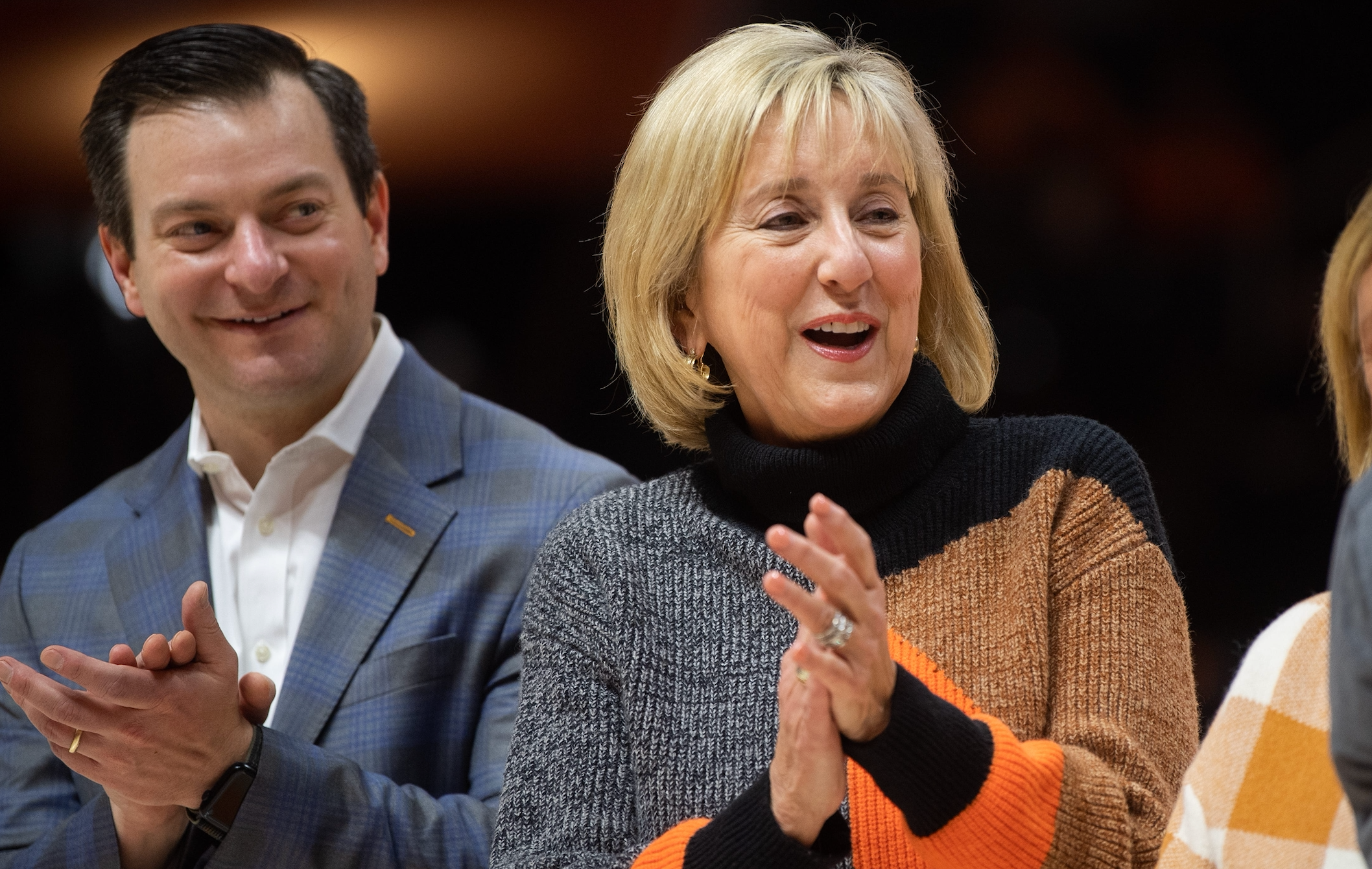
Tennessee chancellor Donde Plowman explains why she wrote a scathing letter to the NCAA
It was an epic response from Donde Plowman


