
What are NFL's roughing the passer rules? Here's how Patrick Mahomes and Jalen Hurts will be officiated in Super Bowl LIX
Super Bowl 59 may come down to the margins as the Kansas City Chiefs and Philadelphia Eagles prepare for battle on Sunday. The 2025 NFL Super Bowl has legacies on the line, and the officiating may determine the outcome. We hope not, but a penalty can spark a big play. Football is physically demanding, but […]


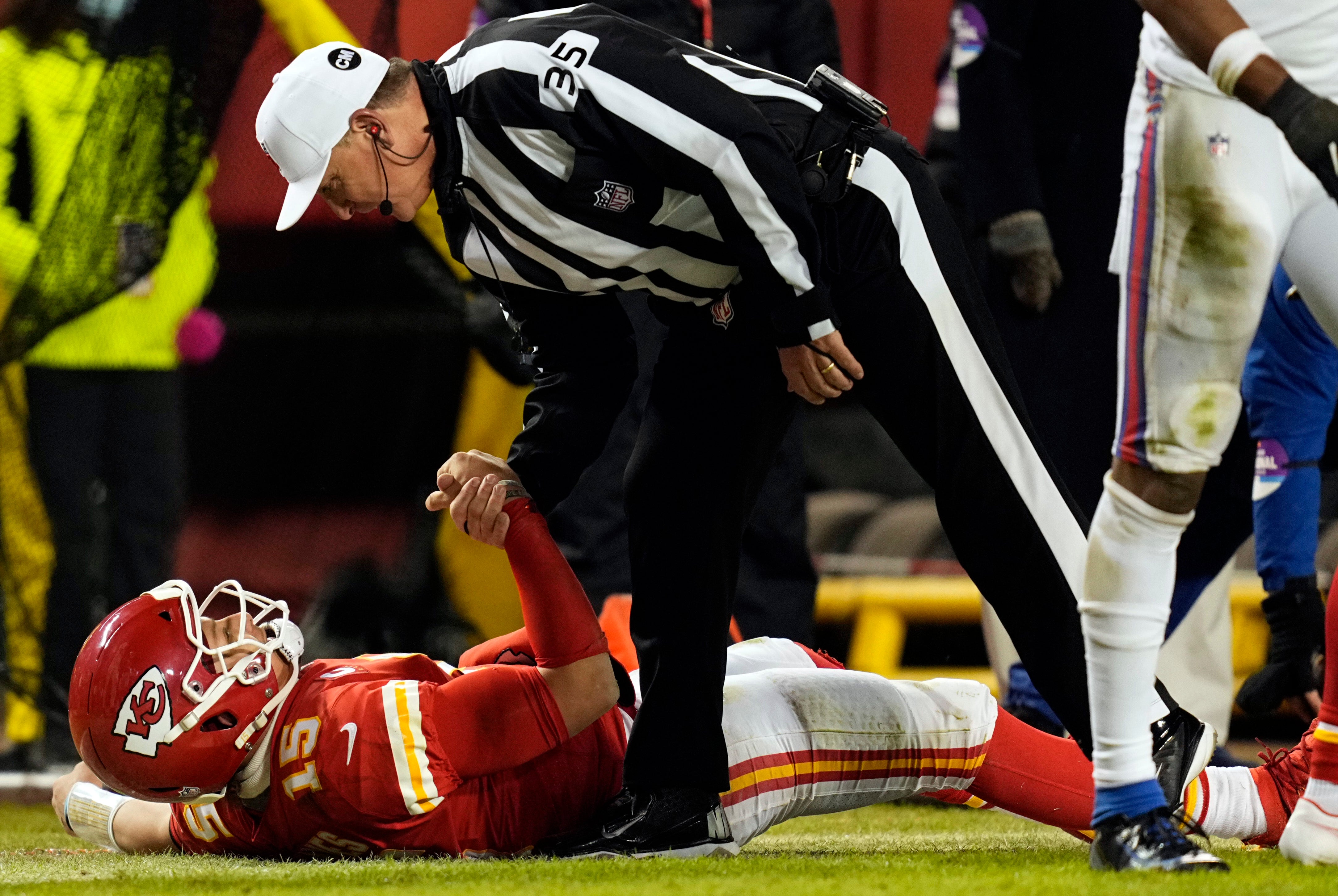
Super Bowl 59 may come down to the margins as the Kansas City Chiefs and Philadelphia Eagles prepare for battle on Sunday. The 2025 NFL Super Bowl has legacies on the line, and the officiating may determine the outcome. We hope not, but a penalty can spark a big play.
Football is physically demanding, but ensuring players' safety—particularly quarterbacks—is crucial in both the NFL and college football. Roughing the passer is one of the most frequently debated penalties in recent years. This rule safeguards quarterbacks from late or excessively aggressive hits after they release the ball.
However, it often stirs controversy, with many fans and players believing it is applied inconsistently or too severely.
This comprehensive guide will examine what defines roughing the passer, how the rule is enforced, the reasons behind its contentious nature, and what players and fans should understand about this significant penalty.
What is Roughing the Passer?
Roughing the passer is a penalty that occurs when a defensive player makes contact with the quarterback after the ball has been thrown or does so in a manner considered excessively violent or unnecessary. This rule primarily aims to protect the quarterback, who often finds themselves in a vulnerable position immediately after releasing the football.
Both the NFL and college football have established specific criteria for roughing the passer. These include late hits on the quarterback after the ball has left their hand and using violent or excessive force that goes beyond a typical tackle.
Such actions may involve driving the quarterback into the ground or making contact with their head or neck area. Additionally, low hits around the quarterback's knees or below are prohibited, as they can lead to serious injuries.
What is the Penalty for Roughing the Penalty?
In the NFL, roughing the passer results in a 15-yard penalty and automatically gives the offense a first down, no matter how far they advanced on the previous play. This automatic first down can be crucial, as it has the potential to prolong drives and shift the momentum to the offense's advantage.
If the penalty occurs after a successful pass that gains significant yardage, the 15 yards are added to the end of that play, further enhancing the effect. It's important to note that this rule applies even if the play ends in an incomplete pass or turnover.
When Roughing the Passer is Called
Here are four common situations when you will see roughing the passer called.
Late Hits
The typical situation that leads to a roughing the passer penalty is when a defender makes a late hit. After the quarterback has released the ball, defensive players are required to take deliberate steps to prevent any unnecessary contact.
Even if a defender is in the midst of tackling, they are expected to slow down or adjust their direction to minimize hitting the quarterback after the pass has been thrown.
Hits to the Head or Neck
Defenders are prohibited from making contact with a quarterback's head or neck in any situation. Any such contact, whether deliberate or accidental, will lead to a roughing the passer penalty. This rule has been rigorously enforced to help protect quarterbacks from concussions and other significant injuries.
Driving the Quarterback into the Ground
A defender must be cautious not to forcefully drive the quarterback into the ground, even if they reach them while the ball is still in hand. This is an essential aspect of the roughing the passer rule. Tackles that include lifting and slamming the quarterback or landing on them with the defender's full weight are not allowed.
Low Hits
Contacting a quarterback below the knees, even if the defender is pushed into him, may lead to a roughing the passer penalty. Such hits can lead to serious knee injuries, and the rule aims to protect quarterbacks from defenders lunging at their legs.
How to avoid Roughing the Passer penalties
To prevent penalties for roughing the passer, defensive players need to concentrate on their timing and technique. After the quarterback releases the ball, defenders should strive to pull back or avoid making unnecessary contact. This requires them to stay alert to the ball’s release and adjust their approach accordingly.
When targeting the quarterback, defenders should focus on the torso, steering clear of hits to the head, neck, or legs. By tackling the quarterback in this manner, the chance of being penalized for roughing the passer is significantly reduced.
When executing a tackle on the quarterback, defenders should aim to wrap him up without driving him down to the ground. This approach allows for a legal and effective tackle while minimizing the risk of incurring roughing the passer penalties.
How Roughing the Passer has changed
In the last ten years, the NFL has prioritized player safety, resulting in stricter enforcement of the roughing the passer rule. This focus on safety arises from heightened concerns regarding concussions and long-term injuries, especially among quarterbacks.
With increasing scrutiny over head injuries and player well-being, the league has implemented measures to safeguard quarterbacks, who are often seen as the face of their teams, from unnecessary risks.
The NFL continues to refine the roughing the passer rule to strike a balance between player safety and the inherent aggression of the game. As more data emerges on the long-term consequences of head and neck impacts, adjustments to the rule aim to reduce high-risk situations while still enabling defenders to fulfill their roles.
