
Questionable decision may have cost Titans the game vs. Giants
A questionable decision at the end of the game may have cost the Tennessee Titans a victory in their season opening game against the New York Giants on Sunday. Now, there’s a lot of things you can point to as being the difference in the Titans loss to the Giants.As always in this game of inches, […]


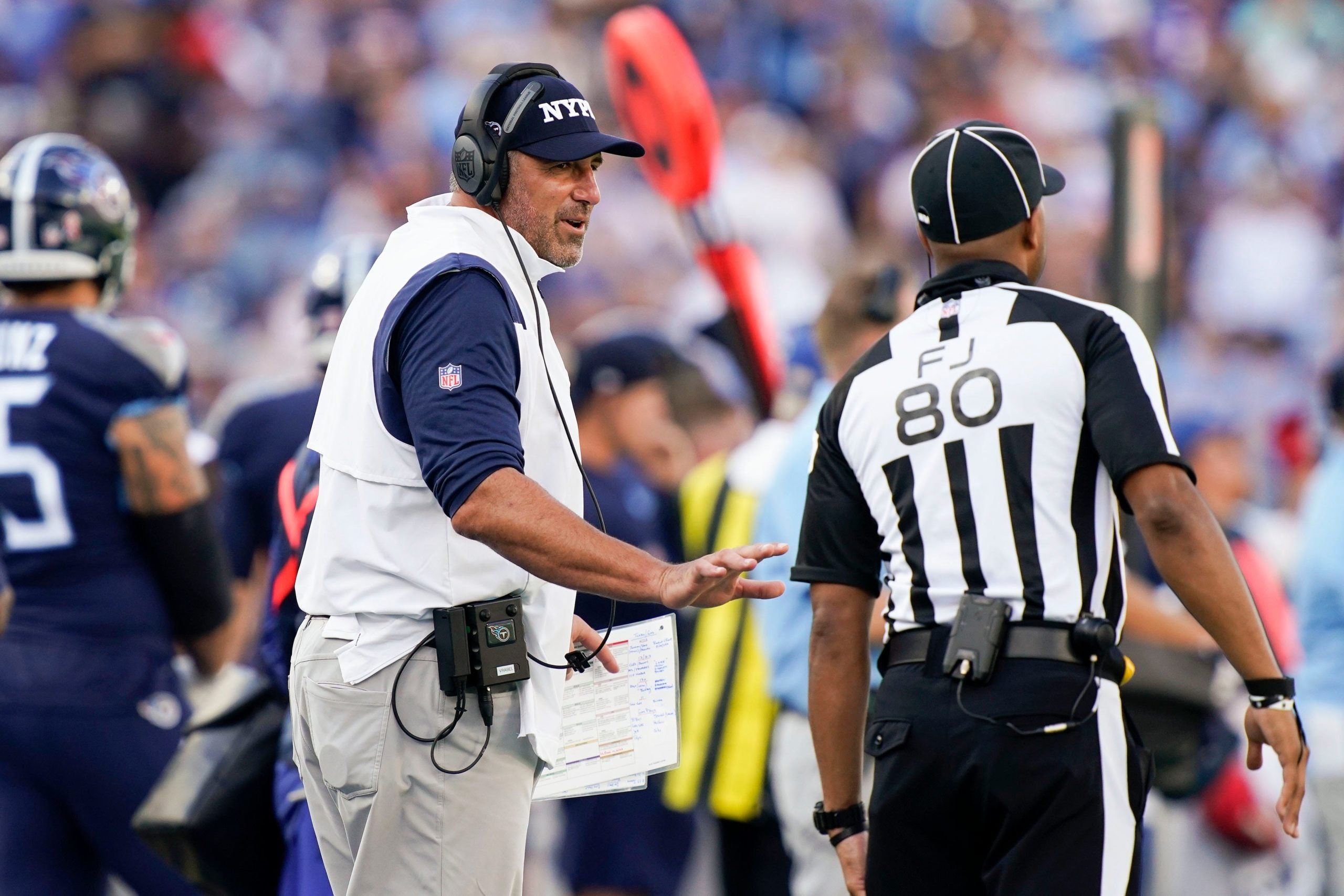
A questionable decision at the end of the game may have cost the Tennessee Titans a victory in their season opening game against the New York Giants on Sunday.
Now, there’s a lot of things you can point to as being the difference in the Titans loss to the Giants.As always in this game of inches, results are a product of an accumulation of moments. It’s never just one thing that you can point to as being the cause of a disappointing loss or underwhelming performance.
That’s still true for the Titans and their loss on Sunday.
That being said, a few critical moments rear their ugly head when looking back on “what could’ve been”. The missed game-winning 47-yard field goal attempt by Randy Bullock is certainly at the top of that list, but physical errors happen in football. The decision and process that came just before the field goal attempt, however, was game altering in it’s own right.
The Decision
With the ball on the NYG 27-yard line and 18 seconds left on the clock, Mike Vrabel and the Titans burned their third and final timeout of the game. They then lost two yards while running the ball to the right hash (Bullock’s preferred kicking location), and spiked the ball for one final kick attempt.
They went from the NYG 27 yard-line, to the NYG 29 yard-line while using the entire clock and their final timeout in the process.
We all know how that ended.
With 18 seconds on a stopped clock and a timeout in their pocket, the Titans likely had at least two plays to make the field goal more comfortable had they used their resources appropriately.
Give Ryan Tannehill a chance to make another play by letting him throw to pick up a chunk of yards. If it’s not there, throw it away.
At the very least, run the ball with Derrick Henry (who never saw the field on the final drive), and get what you can before calling timeout.
Bullock may be more comfortable from the right hash, but rather than losing yardage to get him there, attack the defense, get what you can, and try to make it a chip shot.
Hindsight is always 20/20, I suppose.
After the game, both Mike Vrabel and Ryan Tannehill emphasized the importance of moving the ball to the right hash mark and using the timeout as a means of doing that.
“We felt good about 18 seconds,” Vrabel said. “That’s something we’ve worked. If it gets below that, you run the risk of a pile up, or the ball getting kicked around, or crazy things. I thought we handled that situation well.”
“We were just trying to get the ball on the right hash there,” said Tannehill. “The timeout wasn’t really a factor.”
I followed up with Tannehill and asked if saving the timeout to make it a closer field goal was ever a consideration.
“You’d have to ask [Vrabel] about that,” Tannehill said. “That’s the information I’ve got.”
It’s hard to be too critical of Vrabel. He’s the reigning NFL Coach of the Year for a reason. He knows what he’s doing, and he almost always puts the Titans in the best possible position to succeed.
I don’t think he did that in the final seconds of Sunday's game.
There's no guarantee the Titans would have gained any yardage by running a few extra plays. Even if they had, there's no guarantee Bullock makes the kick. But you should at least do everything you can.
To me, it really comes down to one question: Do you prefer a shorter kick (possibly as short as 35 yards), or a longer kick from your kicker’s preferred hash?
I think the final score speaks for itself.
Image via George Walker IV / Tennessean.com-USA TODAY NETWORK
